
Canaguinim Beach: The Ultimate Guide to South Goa’s Secret Dual-Bay Wilderness
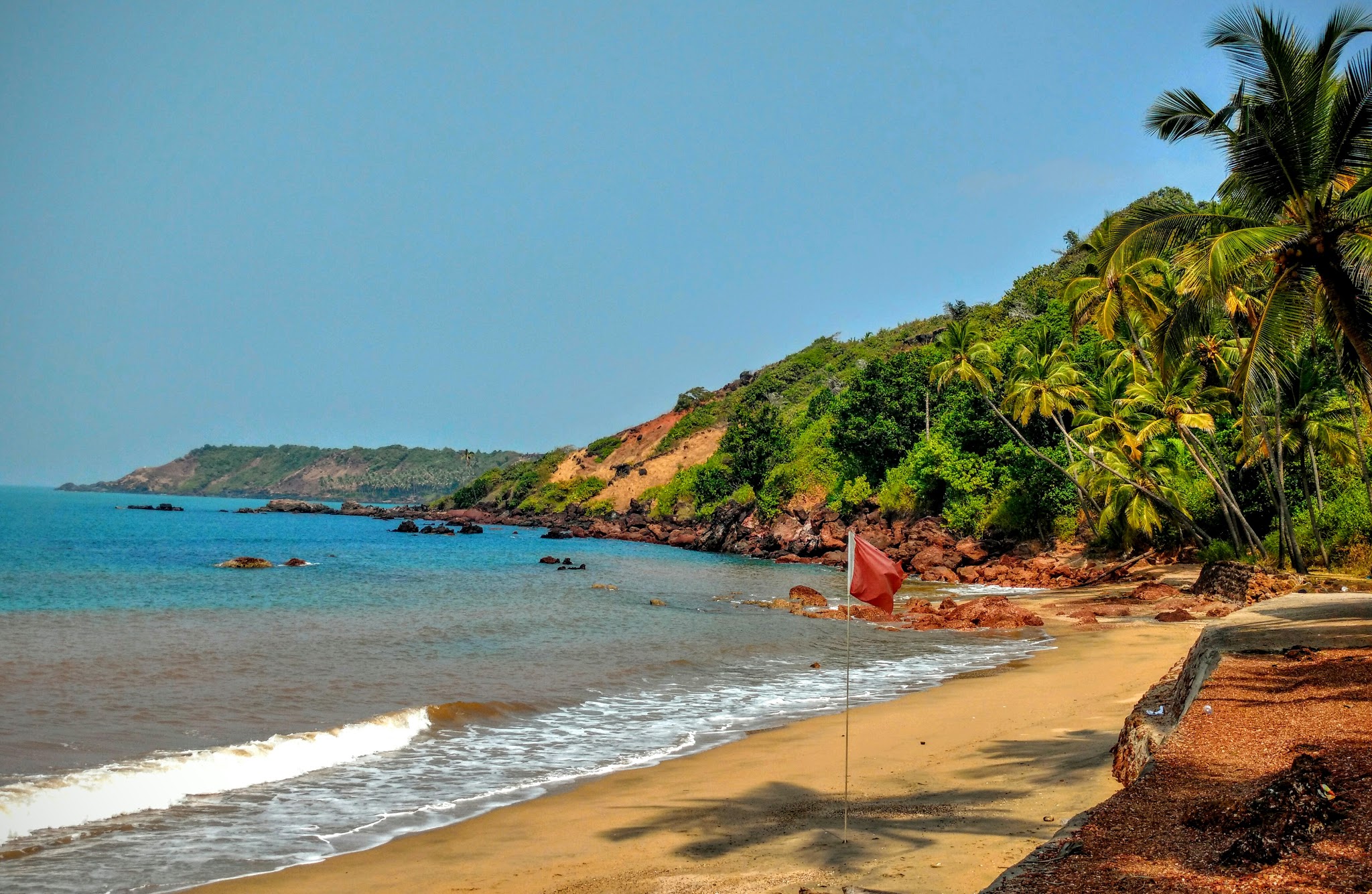
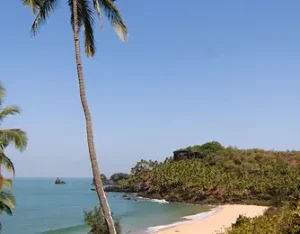
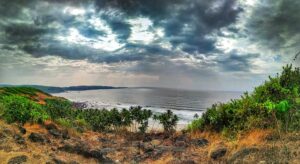
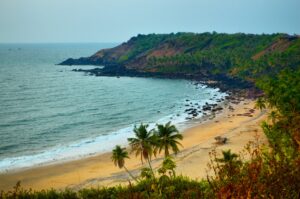
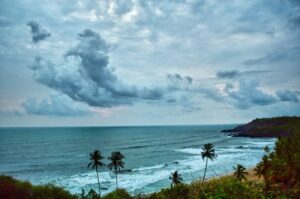
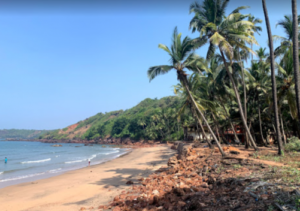
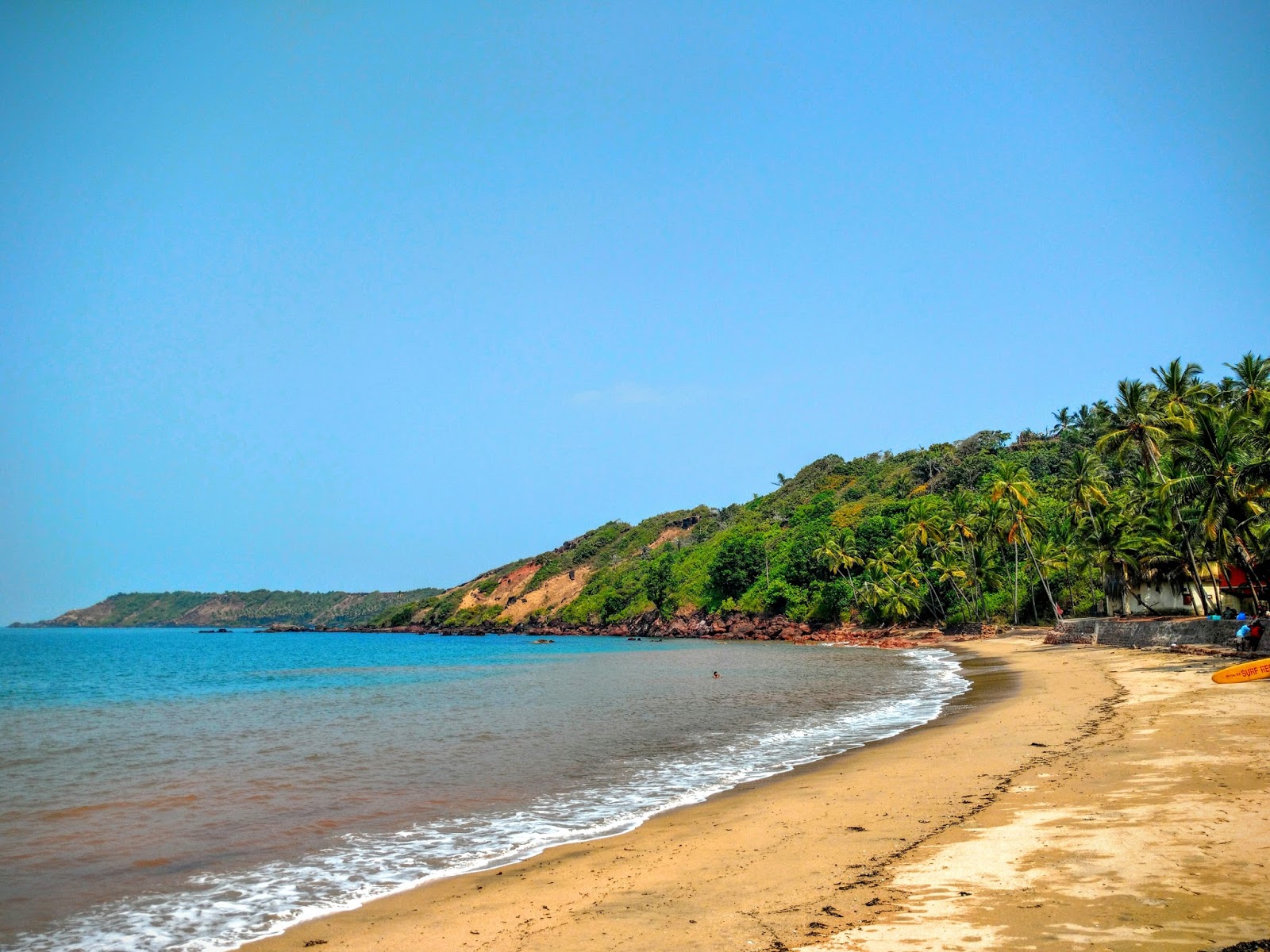
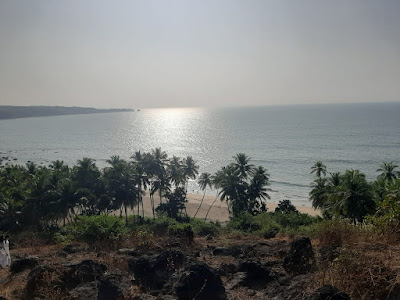
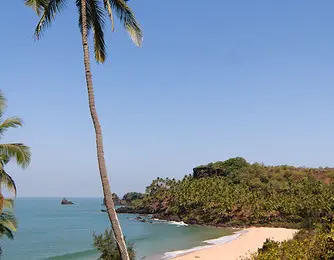
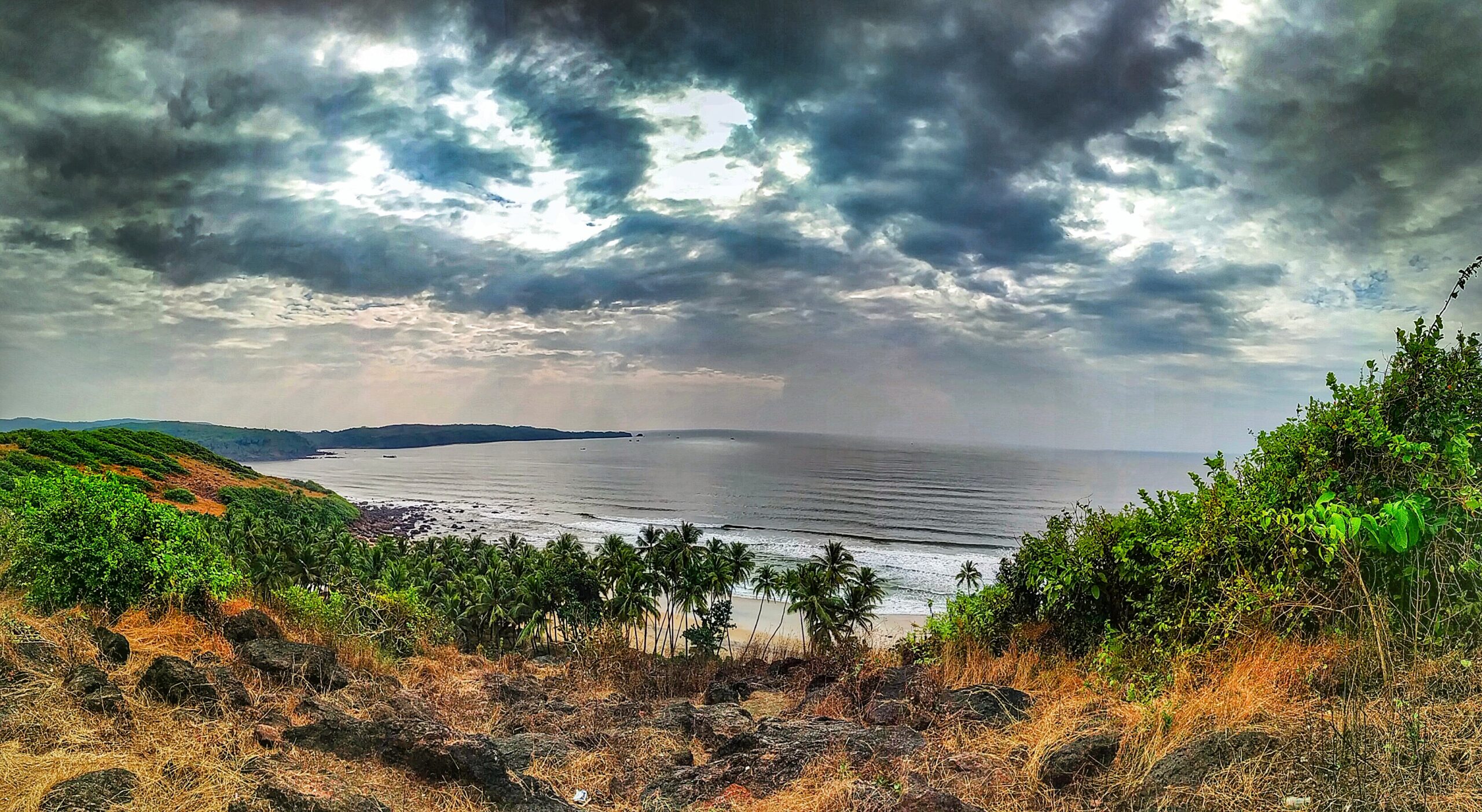
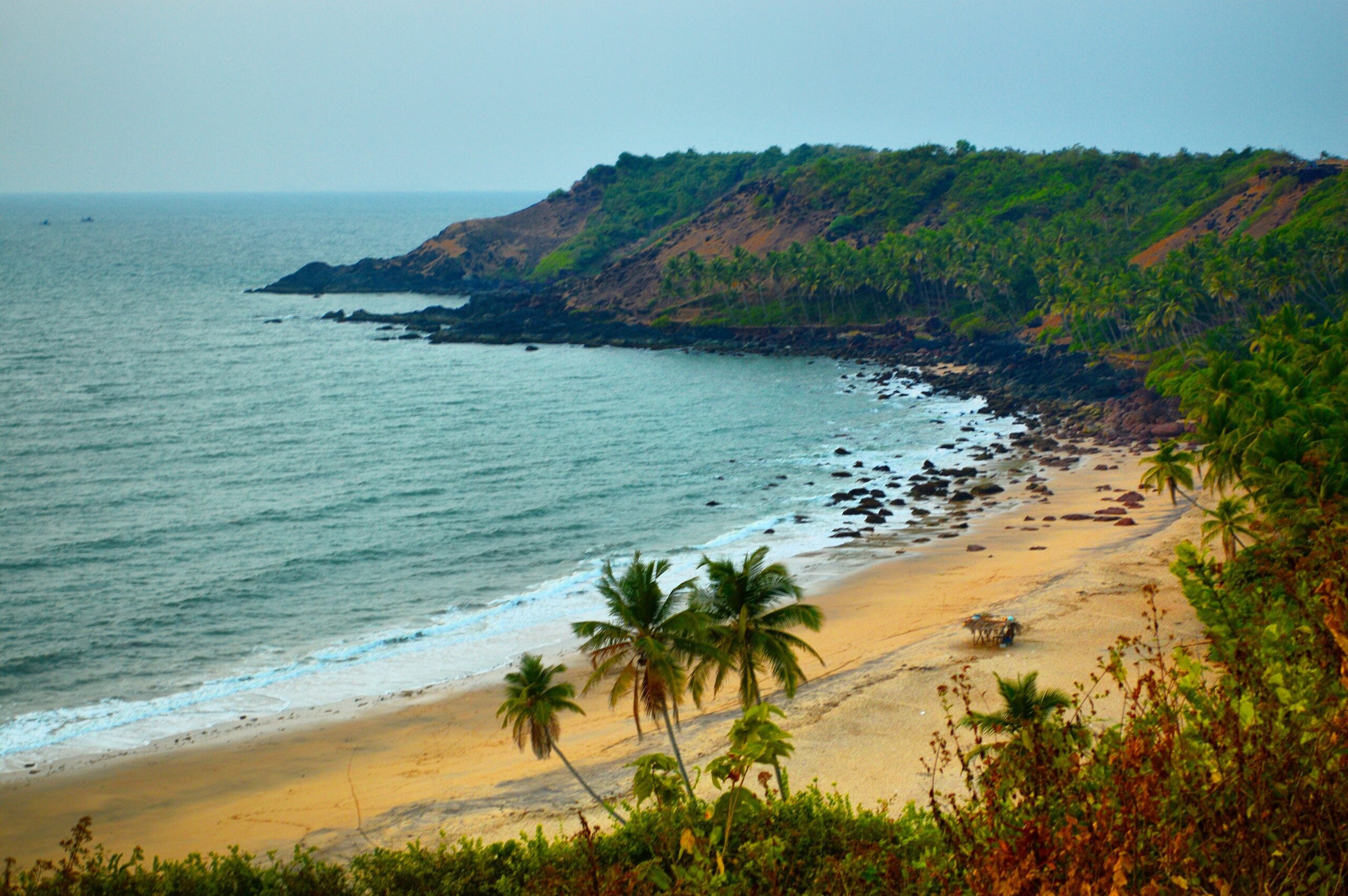
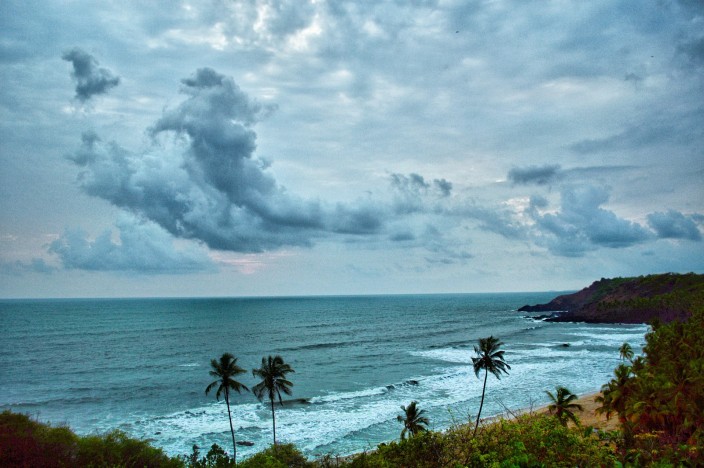
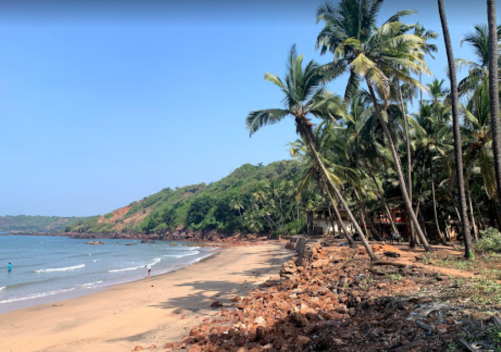
Canaguinim Beach Click to open side panel for more information , nestled quietly in the southern pocket of the Canacona taluka, is one of the last remaining frontiers of completely wild, uncommercialized coastal beauty in Goa. While mainstream tourists cluster on the packed sands of Palolem and Colva, Canaguinim offers a breathtaking geographic layout consisting of a dual-bay structure: a sandy north beach and a rocky, boulder-strewn south beach, divided seamlessly by a protruding headland of ancient, weathered red laterite rocks.
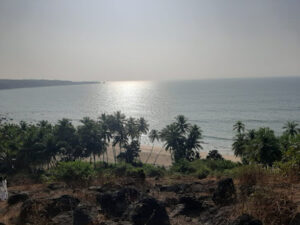
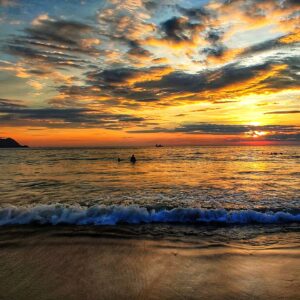
Geographically positioned roughly 57 km from Panaji and 25 km south of Madgaon (Margao), Canaguinim is physically shielded by a massive buffer of dense coconut plantations, steep valleys, and traditional Goan countryside. It acts as an incredible sanctuary for travelers who want to trade beach bed rows and loud bass lines for the raw sound of crashing waves and a completely empty horizon.
How to Reach Canaguinim Beach

Because Canaguinim has resisted large-scale commercialization, accessing its shoreline requires navigating narrow village roads rather than wide tourist avenues.
By Two-Wheeler or Car
- The Route: Drive south from Margao along the coastal highway toward Cabo de Rama. You will need to take a sharp right turn at the signposts pointing toward Canaguinim village. From there, follow the winding lanes past the historic village church.
- The Dirt Track: The final 500 meters leading to the beach consists of an unpaved, rustic dirt trail cutting through the coastal brush.
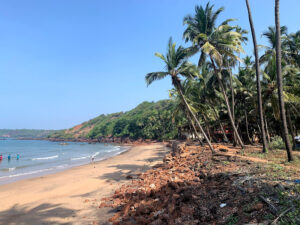
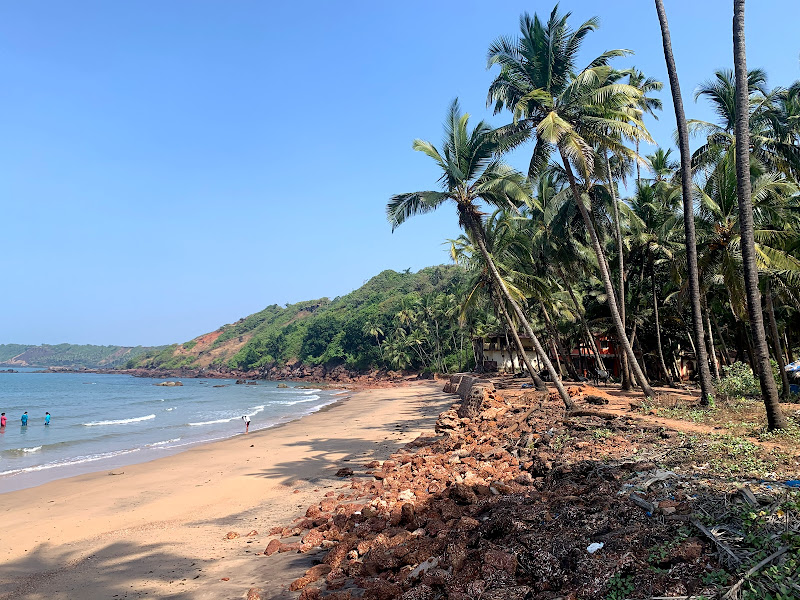
- Parking: There is a small, unpaved clearing under the palm trees just behind the sandbar that serves as a makeshift parking area. Two-wheelers can navigate the terrain flawlessly. Compact cars and hatchbacks can make the trip if driven with caution, but low-clearance luxury sedans should be parked further back on the paved village road to avoid scraping.
Public Transport Warning
Taking a local bus is highly discouraged if you want to save time. Buses will only drop you on the main highway road, leaving you with a long, grueling, and entirely exposed 3 km walk down to the actual sand.
What to Do at Canaguinim Beach
Canaguinim swaps high-speed jet skis and commercial nightlife for low-impact outdoor recreation, slow exploration, and raw nature.
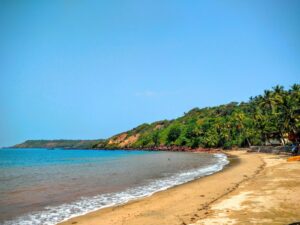
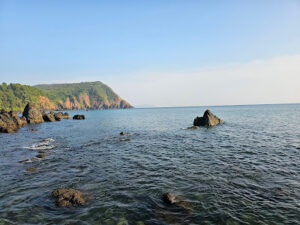
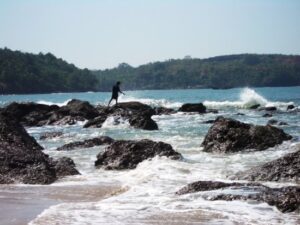
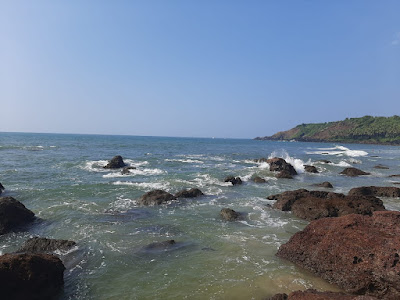
- Explore the Dual-Bay Terrain: The defining feature of Canaguinim is its split personality. The northern half features a beautiful, wide crescent of fine golden sand that is absolutely perfect for beach combing and sunbathing in complete privacy. The southern half transitions dramatically into a rugged landscape of dark volcanic rocks, perfect for exploring when the tide pulls back.
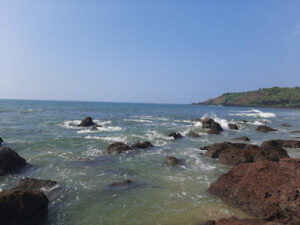
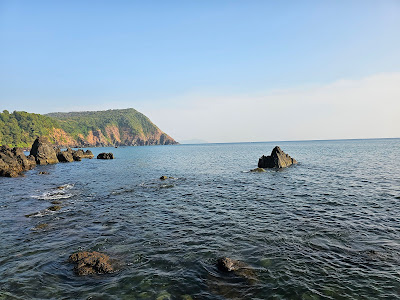
- Tide-Pooling and Marine Spotting: Because human footprint here is minimal, the rocky headlands between the bays harbor incredibly healthy marine ecosystems. At low tide, visitors can explore deep rock pools filled with small fish, sea anemones, hermit crabs, and intricate sea shells.
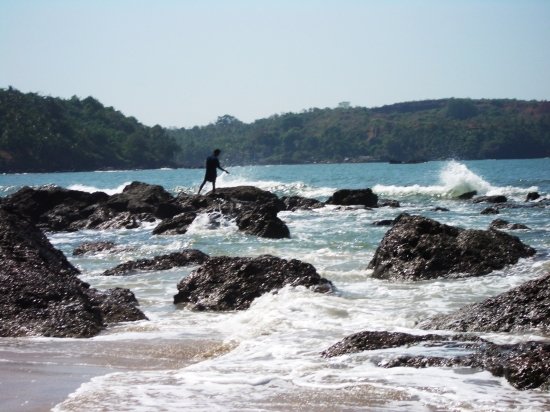
- Traditional Fishing Observations: The beach is actively used by the local Goan fishing community. Early in the morning, you can watch traditional wooden country boats head out into the surf or see shore-bound fishermen practice traditional line-fishing from the high rocks.
Food and Accommodation
To preserve its wild charm, Canaguinim operates on a strict minimalist infrastructure model. There is zero commercial development directly on the sand.
Accommodation
You will not find a single concrete resort, premium luxury villa, or even temporary bamboo beach huts built on the sands of Canaguinim. For accommodation, travelers lean heavily into the authentic Goan village experience by booking local heritage homestays, villas, and guesthouses tucked back into the surrounding coconut groves. For luxury eco-resorts or cliffside huts, visitors drive 10 minutes south to properties like The Cape Goa near Cabo de Rama or Dwarka Eco Beach Resort at Cola Beach.
Dining
There are no permanent beach shacks, multi-cuisine restaurants, or beachside bars at Canaguinim. A very basic seasonal tea-and-snack stall occasionally operates near the parking clearing during the peak winter months, selling omelet-pao, cold water, and soft drinks. For a proper meal or fresh seafood platters, you will need to pack your own picnic basket or take a short 10-to-15-minute drive out to the culinary setups near Cabo de Rama Fort or head south into the massive restaurant strip at Agonda.
Nearby Attractions
Because Canaguinim is a serene destination that can be fully absorbed in a morning or afternoon, it pairs brilliantly with these neighboring South Goa landmarks:
- Little Beach: A minuscule, incredibly beautiful sandy cove hidden just a short distance around the southern rocky bend.
- Nuem Beach: An ultra-isolated beach famous for its iron-rich red cliffs and dramatic mini sea caves.
- Cabo de Rama Fort: The monumental 18th-century Portuguese clifftop fortress offering sprawling views of the entire coastline, located just 10 minutes south.
Important Information for Travelers
Canaguinim is a completely unmanaged wilderness environment that requires visitors to be completely self-reliant.
Safety Warning: There are absolutely no lifeguards or rescue teams stationed at Canaguinim Beach. While the shallow waters are highly inviting, the sea in this region features sudden drop-offs and strong undercurrents, particularly near the rocky headlands. Keep swims close to the shoreline and stay entirely out of the water if the surf looks rough or choppy.
- Strict Pack-It-Out Mandate: There are no municipal trash collection bins or beach-cleaning crews down on the shore. To protect the pristine state of the environment, visitors are legally and ethically bound to collect and carry away every piece of plastic, wrapper, or garbage they bring in.
- Fluctuating Mobile Signal: Cellular signals (including 5G data networks) drop significantly down on the sand due to the low elevation and the surrounding high valleys. Coordinate any return taxi rides or map routes before descending to the beach.
- Carry Physical Cash: Since there are no digital payment terminals on the beach and network signals in the village can be unpredictable, digital UPI payment apps frequently time out. Make sure to carry adequate physical cash for village shops, fuel, or local transport.
Image Gallery of Canaguinim Beach
Frequently Asked Questions (FAQ)
Is Canaguinim Beach safe for swimming?
The sandy northern bay of Canaguinim is generally safe and pleasant for wading and swimming during calm sea conditions. However, because there is no lifeguard presence, you should never swim alone or venture deep into the open ocean. Avoid swimming near the rocky southern headland entirely due to underwater rock collision risks.
Can elderly travelers or families with toddlers visit Canaguinim Beach?
The sandy bay is easily accessible from the clearing, making it manageable for families. However, the final dirt approach track is uneven and unpaved, meaning strollers will not work. Elderly travelers can enjoy the beach comfortably provided they stay on the flat sandy sections and avoid scrambling over the slippery rocks dividing the bays.
Are there public washrooms or changing rooms on the beach?
No. Canaguinim Beach is entirely wild public land. There are no standalone public restrooms, showers, or changing facilities anywhere on or near the sand.
What is the best time of year to visit Canaguinim Beach?
The ideal window is from October to May, when the weather is dry, the dirt access path is completely solid, and the sea is calm. During the monsoon months (June to September), the dirt track turns into a thick, slippery mud hazard, and the sea becomes incredibly volatile, though the surrounding hills turn a spectacular, lush emerald green.
How far is Canaguinim Beach from the Madgaon Railway Station?
Canaguinim Beach is approximately 25 km away from the Madgaon (Margao) Railway Station. Renting a self-drive car or a two-wheeler from the station will get you down to the beach parking area in about 45 minutes via the southern coastal highway.