
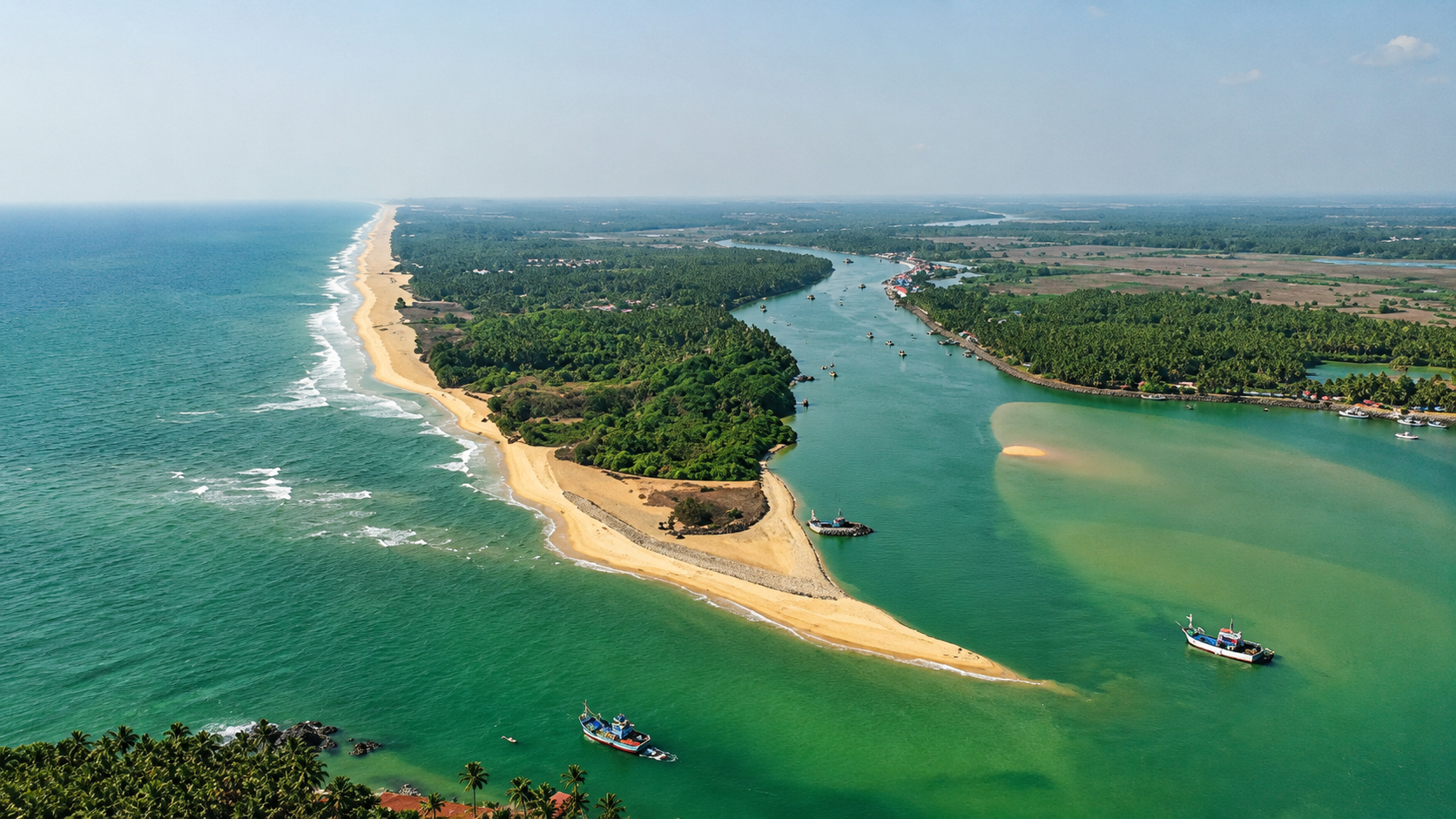
Betul Beach: The Ultimate Guide to South Goa’s Extraordinary River-Sea Confluence
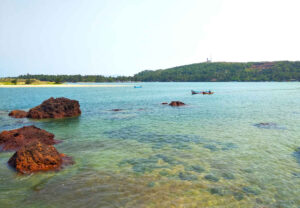
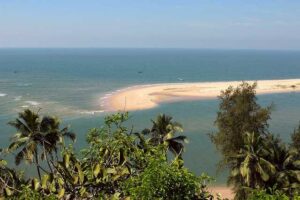
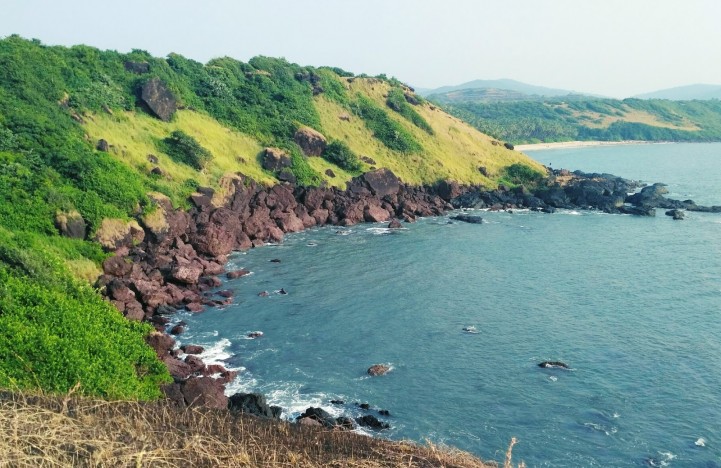
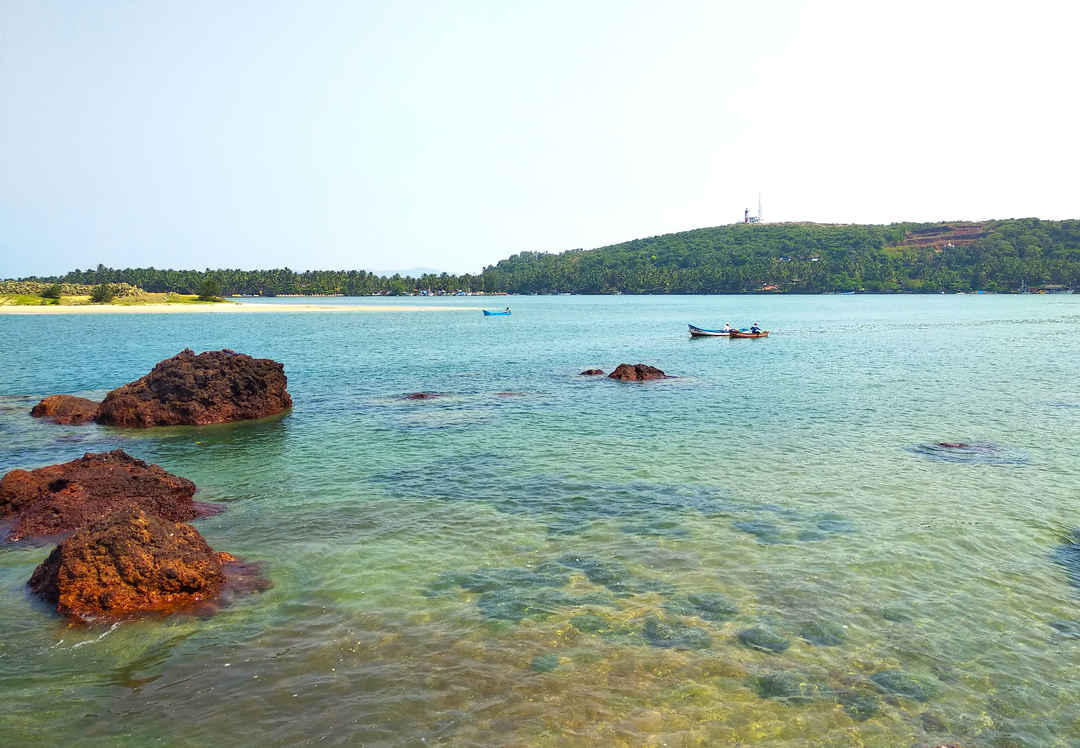
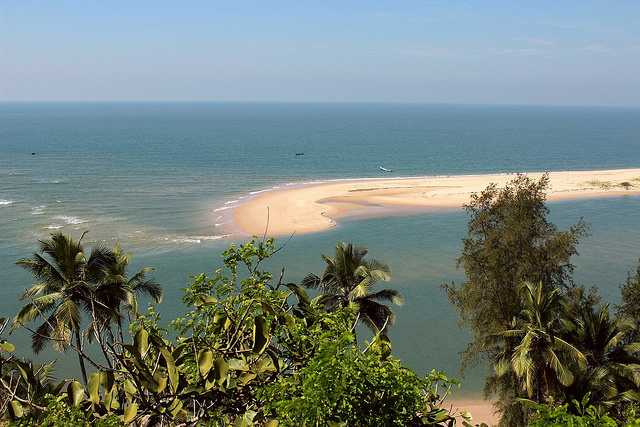
Betul Beach Click to open side panel for more information , located at the southern edge of the Salcete coastline where it transitions into the Canacona taluka, is a dramatic geographic masterpiece. Unlike the standard continuous stretches of Goan coastline, Betul marks the exact panoramic finale where the sprawling, peaceful Sal River cuts through the land to empty straight into the crashing waves of the Arabian Sea.
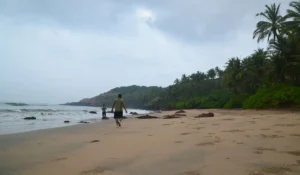
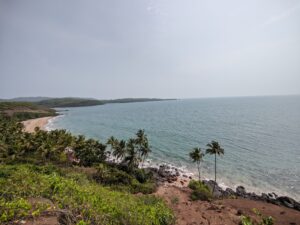
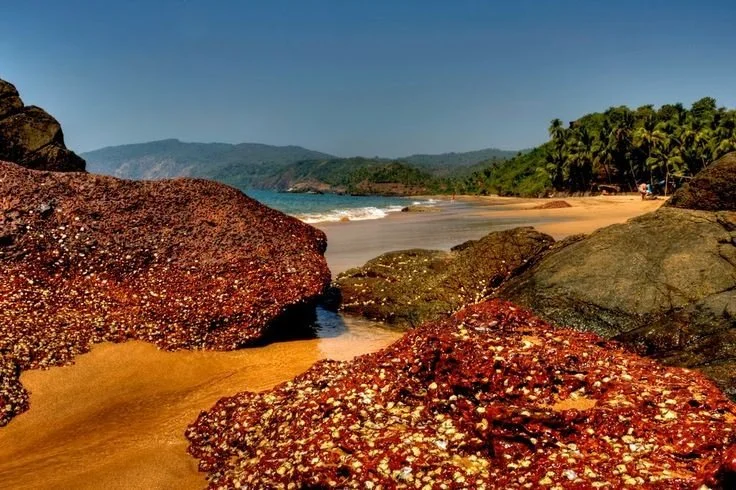
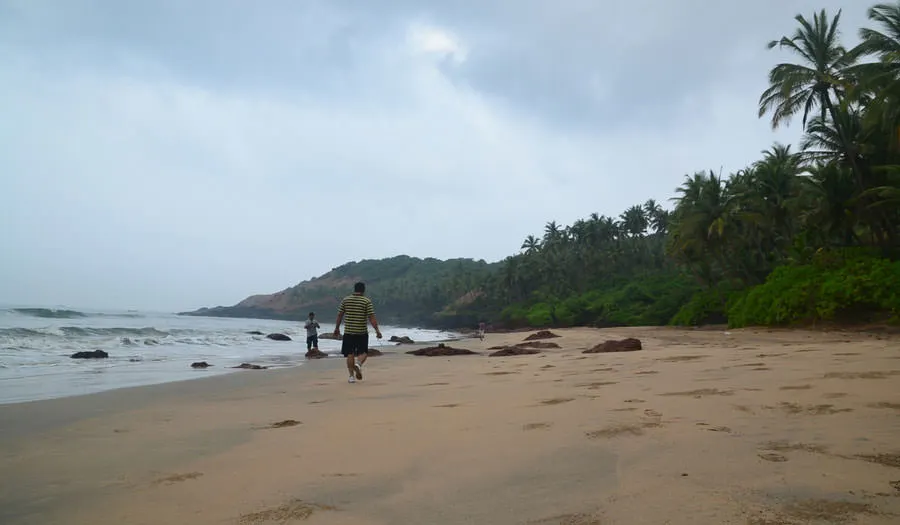
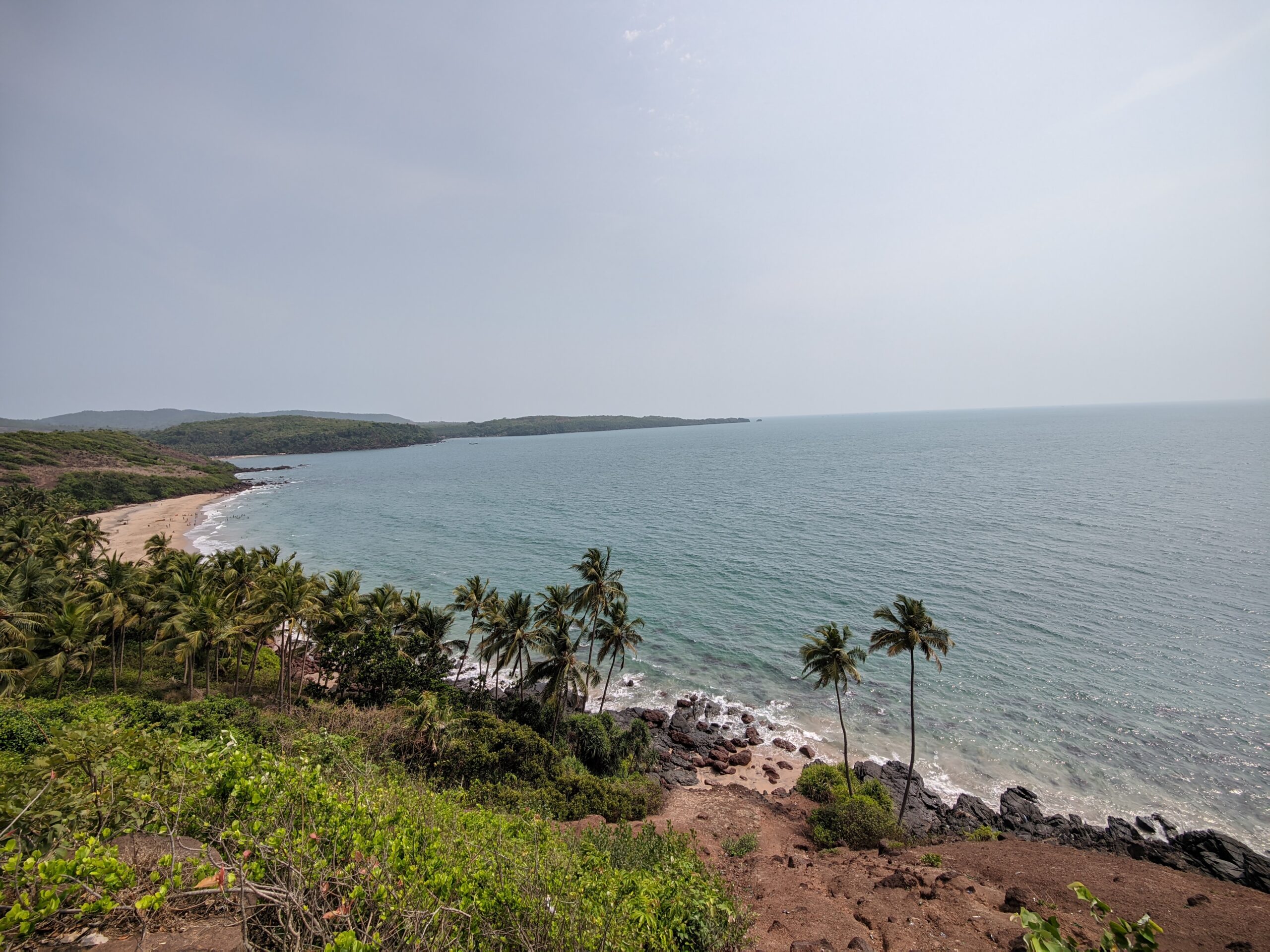
Geographically situated roughly 49 km from Panaji and just 18 km south of Madgaon (Margao), Betul successfully shuns the neon glare of commercial mass tourism. Backed by heavy groves of palm and casuarina trees, it functions primarily as an authentic, salt-of-the-earth fishing village. It provides a blissfully deserted sanctuary for travelers who want to swap high-decibel beach parties for vast, silvery sands and dynamic estuary views.
How to Reach Betul Beach
Betul Beach requires a small bit of tactical navigation to reach, making it completely unpopular with casual tourists who require seamless, step-free vehicle access.
By Two-Wheeler or Car
- The Route from the North: If you are traveling from neighboring Cavelossim or Mobor, you can access the beach area via a small, motorable field road.
- The Route from the South: If driving from Agonda or Palolem, you must follow the highway up through Quitol and Assolna, crossing over the iconic Assolna-Cavelossim Bridge before veering toward the coast.
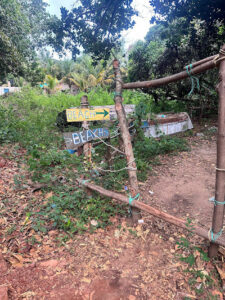
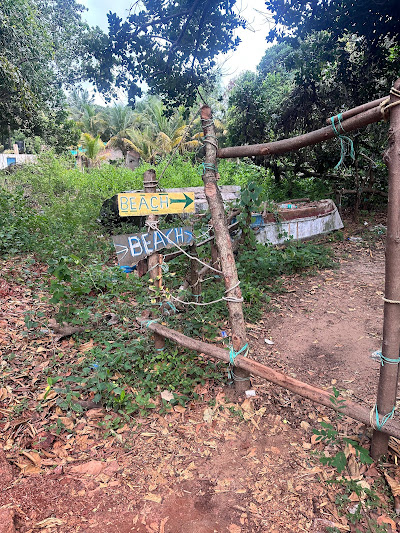
- Parking & Final Approach: There is no massive, commercialized municipal parking zone. Instead, you will park your vehicle in a rustic, unpaved dirt clearing at the edge of the tree line. From the clearing, visitors must complete a short, sandy trek through the brush to hit the main shore.
Public Transport Warning
Relying on public transport like local buses is not recommended. Buses will drop you a substantial distance away on the main village thoroughfares, leaving you with a long, physically draining walk under the exposed Goan sun.
What to Do at Betul Beach
Betul completely trades high-speed commercial jet-ski operations for low-impact nature watching, photography, and coastal heritage exploring.
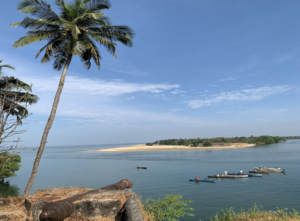
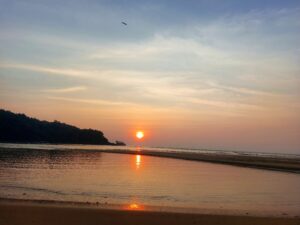
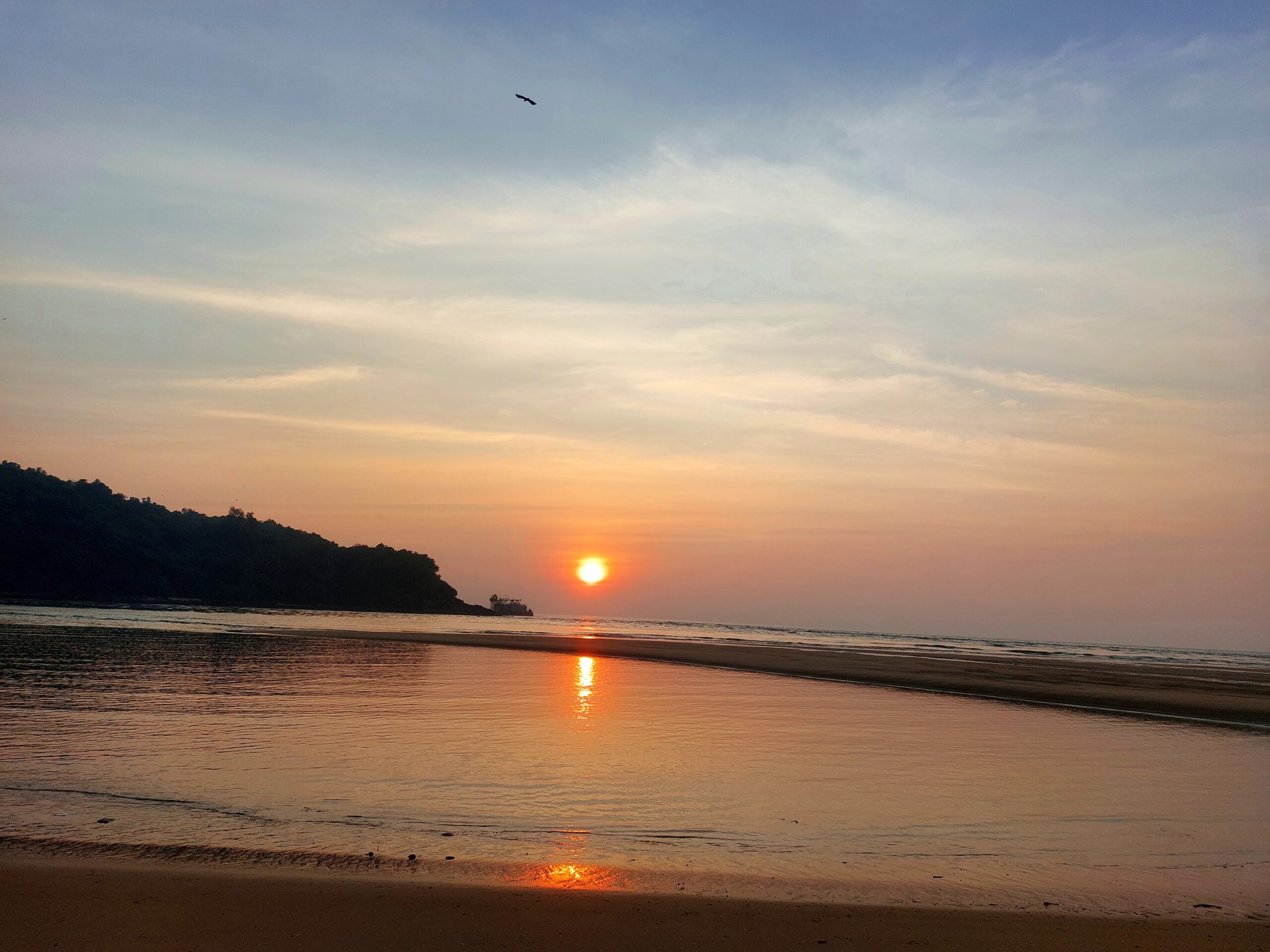
- Witness the Sal River Confluence: The absolute crown-jewel experience here is walking to the northern tip of the sand spit. Standing here, you can watch the calm, mirror-like brackish waters of the Sal River collide directly with the rolling saltwater waves of the ocean—a mesmerizing natural spectacle, especially captivating during the golden hour.
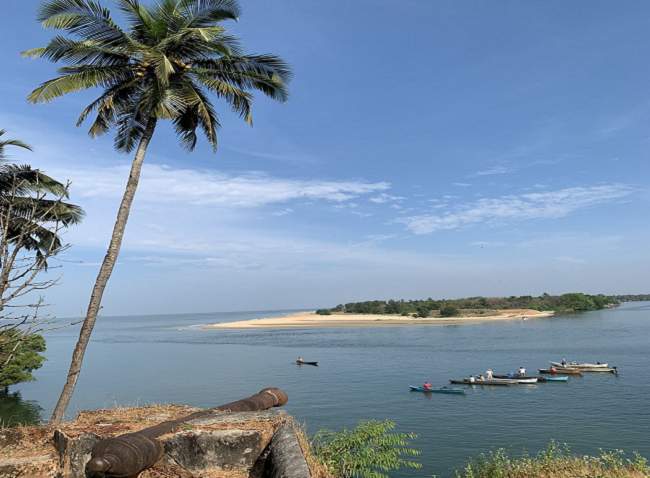
- Observe a Working Fishing Village: Betul is a major, active fishing port. From the shores and riverbanks, you can watch massive mechanized deep-sea trawlers and traditional wooden country boats heading out to sea or bringing in their fresh catches of mussels and crabs.
- Explore Historic Viewpoints: Just across the riverbanks sit two exceptional vantage points. You can head up to the iconic red-and-white striped Betul Lighthouse Click to open side panel for more information for sweeping panoramic photos of the entire peninsula, or travel around the bend to explore the ruins of Betul Fort Click to open side panel for more information , originally commissioned by Shivaji Maharaj in 1679 to monitor the mouth of the river.
Food and Accommodation
True to its identity as an untouched wilderness sanctuary, Betul maintains a near-zero commercial footprint directly on its sandbar.
Accommodation
You will not find rows of concrete resorts or luxury villas built on the beach itself. To preserve the pristine landscape, the shoreline remains entirely deserted. For premium accommodation, travelers cross the river to stay in the upscale, 5-star properties of neighboring Cavelossim and Mobor, such as The St. Regis Goa Resort or the Holiday Inn Resort Goa.
Dining
There are no permanent beach shacks, loud bars, or multi-cuisine restaurants operating on the sand. However, because Betul is a prominent fishing harbor, the nearby village area is legendary for its ultra-fresh, budget-friendly seafood. Small, rustic local taverns and riverside eateries just off the beach serve incredible traditional Goan fish thalis, freshly caught butter-garlic mussels, and local crab xacuti. For upscale beachside dining, visitors head directly to the resort restaurants in adjacent Mobor.
Nearby Attractions
To round out your day trip, combine your visit to Betul Beach with these neighboring South Goa landmarks:
- The Estuary of Sal River: The stunning natural confluence point capping off the northern stretch of the sandbar.
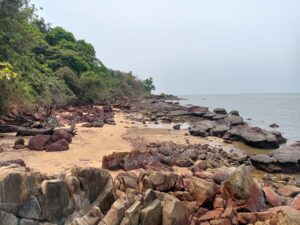
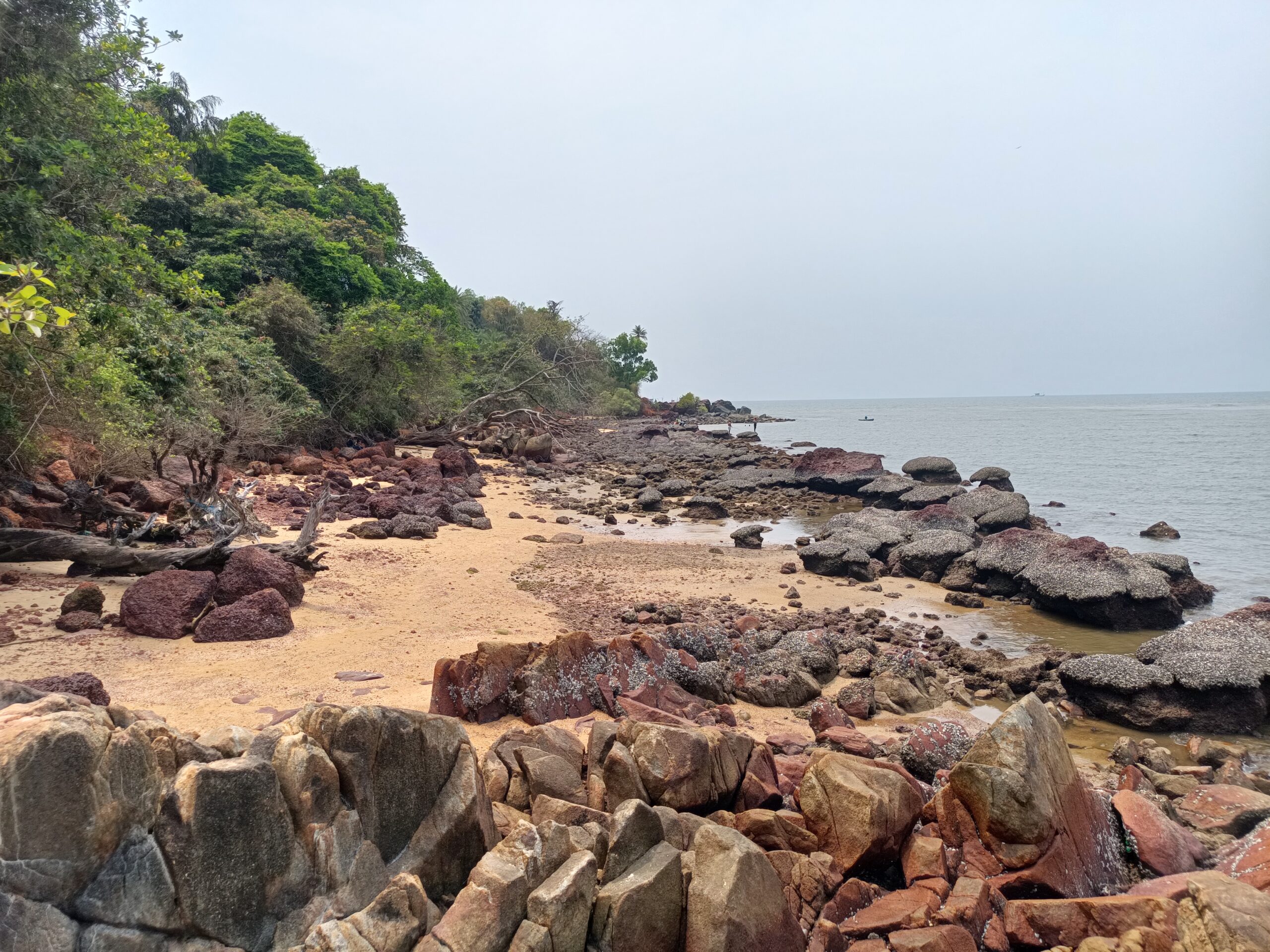
- Cavelossim Beach: Famous for its contrasting black lava rock formations and upscale resort vibes, located just 4 km north.
- Cabo de Rama Fort: The colossal cliffside Portuguese fortress offering sweeping oceanic views, located further south along the coastal road.
Important Information for Travelers
Betul Beach is a wild, unmanaged coastal environment that demands respect and careful preparation.
Safety Warning: Swimming at Betul Beach is highly volatile and discouraged. Because the beach is situated at a major river-sea confluence point, the water features massive, invisible undercurrents, rapid shifting sandbars, and unexpected drop-offs. Coupled with the complete lack of commercial lifesaver amenities, visitors should limit their water activities to shallow wading and leave the heavy swimming for the safer, flatter expanses of neighboring bays.
- Strict Zero-Waste Expectation: There are no municipal cleaning crews or trash bins stationed on this isolated strip of sand. Visitors are legally and ethically obligated to collect and carry away every single piece of plastic, wrapper, or personal garbage they bring in.
- Fluctuating Signal Terminals: Mobile data networks (including 5G connections) function fine near the village but can fluctuate wildly down at the far tip of the river estuary.
- Carry Cash: While upscale resorts nearby accept all digital methods, the local family-run eateries, boatmen, and small village shops near the fishing jetty heavily prefer physical cash transactions due to occasional network timeouts.
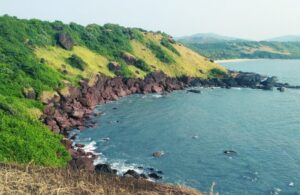
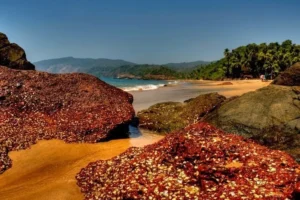
Image Gallery Of Betul Beach
Frequently Asked Questions (FAQ)
Is Betul Beach safe for swimming?
No. Due to the violent clashing currents where the Sal River meets the Arabian Sea, the undercurrents here are notoriously strong and unpredictable. There are no permanent public shacks or lifeguards on the main stretch of sand, making deep swimming highly dangerous.
Can I book a boat ride or dolphin cruise at Betul?
Yes. Because it is an active fishing port, you can coordinate directly with local fishermen at the Betul jetty or nearby river shacks for custom Sal River cruises, bird-watching trips through the mangroves, or early morning dolphin-sighting excursions.
Are there public changing rooms or restrooms on the sand?
No. Betul Beach is a completely untouched virgin shoreline with minimal modern amenities. There are no public washrooms, showers, or changing facilities on the sandbar. Basic facilities are restricted to the local restaurants operating back in the village center.
Why is Betul Beach famous for its marine life?
Geographically, the rich, nutrient-heavy blending of river and sea water makes Betul a goldmine for marine foraging. It is locally famous for harboring the largest concentration of wild rock mussels in Goa, alongside a massive population of distinct red shore crabs.
How far is Betul Beach from the Madgaon Railway Station?
Betul Beach is approximately 18 km away from the Madgaon (Margao) Railway Station. Renting a self-drive car or a two-wheeler from the station will get you through the scenic southern villages to the beach access point in roughly 35 to 40 minutes via the MDR43 highway.