
Monkey Beach: The Ultimate Guide to South Goa’s Secret Island Escape
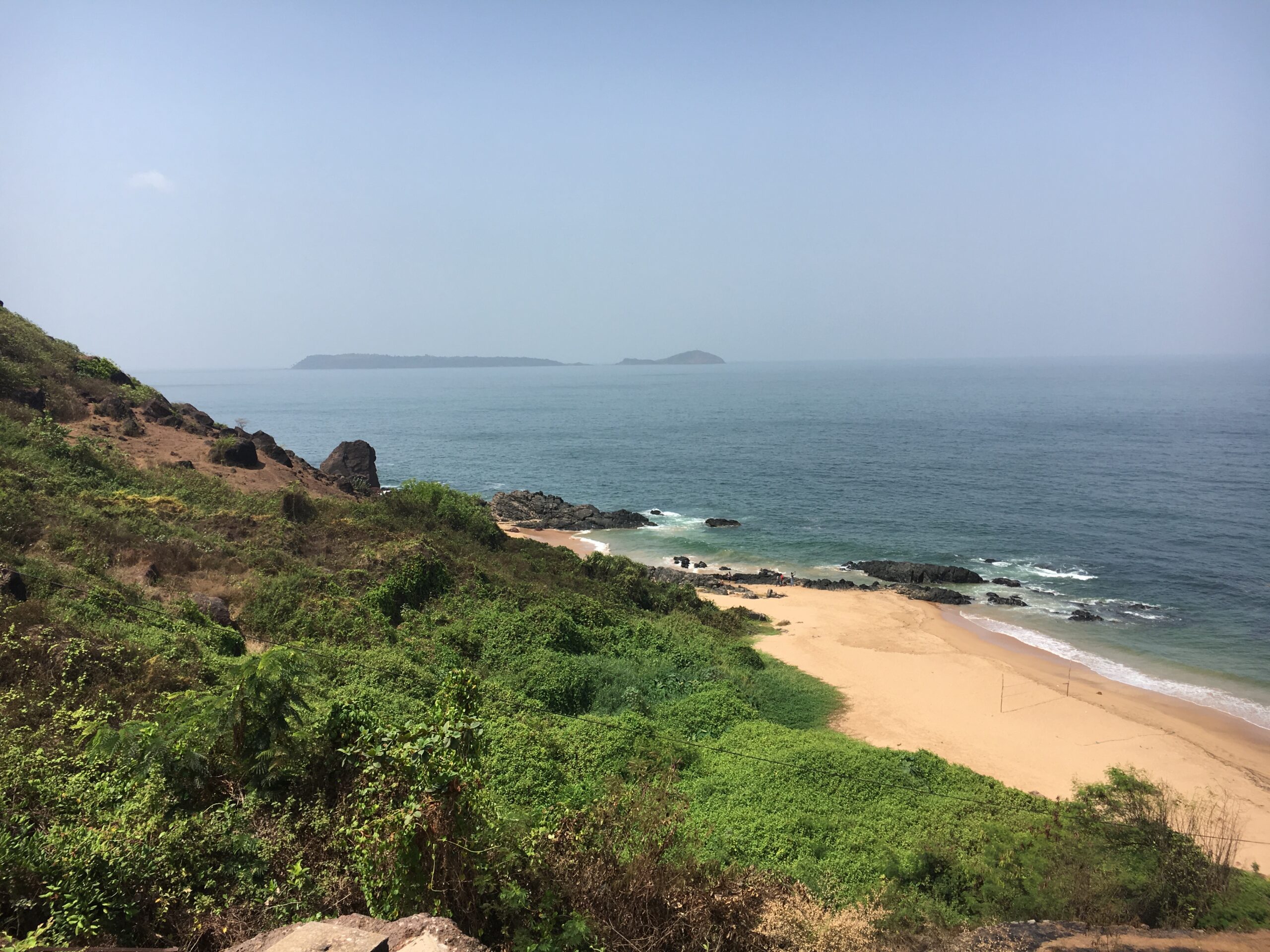
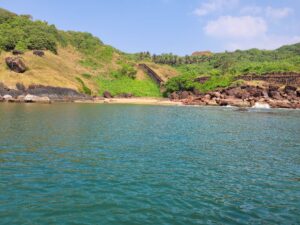
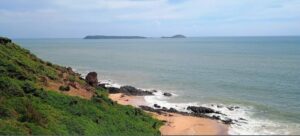
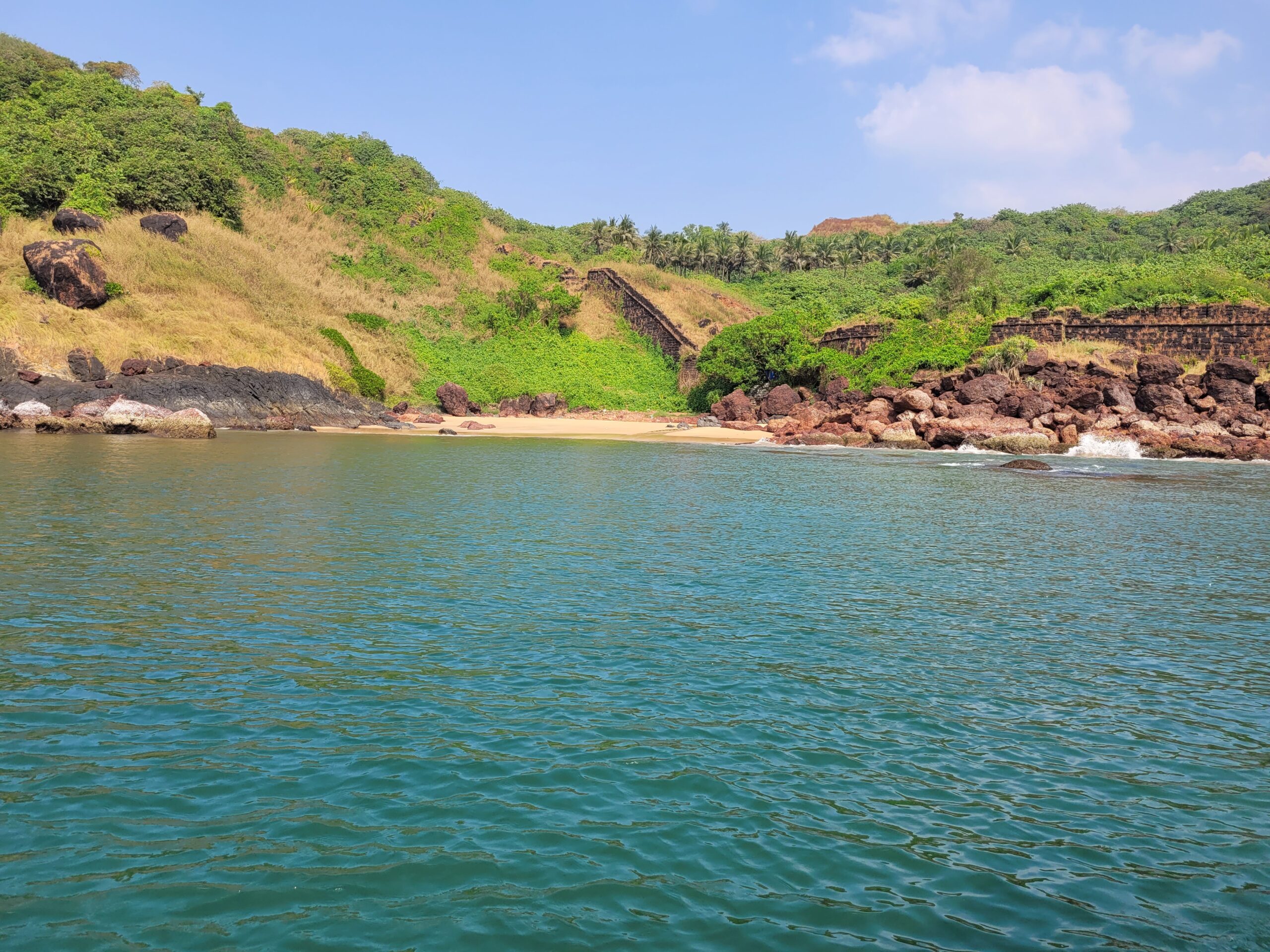
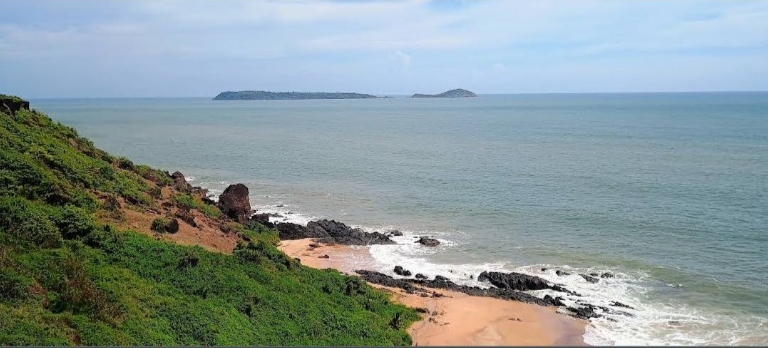
Monkey Beach (primarily known as Conco Island) is an enchanting, small forested island situated at the mouth of the Talpona River, just off the coast of Agonda and Palolem. This “beach” is actually a secluded cove on the island, famous for its lush green canopy, crystal-clear turquoise waters, and its most famous residents—the playful long-tailed macaques that inhabit the island’s interior. It offers a raw, castaway experience that feels worlds apart from the mainland’s commercial activity.
Geographically, Monkey Beach is located in the Canacona district of South Goa. It is positioned remarkably close to the northern end of Palolem Beach. While it appears to be a separate island, during extreme low tides, a narrow sandbar occasionally emerges, momentarily connecting it to the mainland. However, for most of the day, it remains a true island sanctuary accessible only by water.
How to Reach Monkey Beach
View Location On Google Maps 📍
There is no road access to Monkey Beach. Reaching this hidden gem requires a short but scenic journey across the water.
By Boat or Kayak (Most Popular)
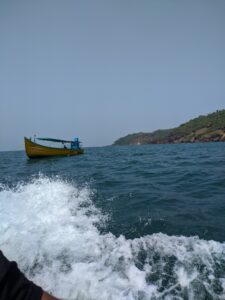
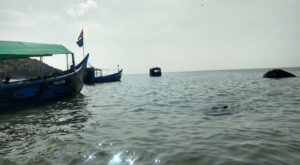
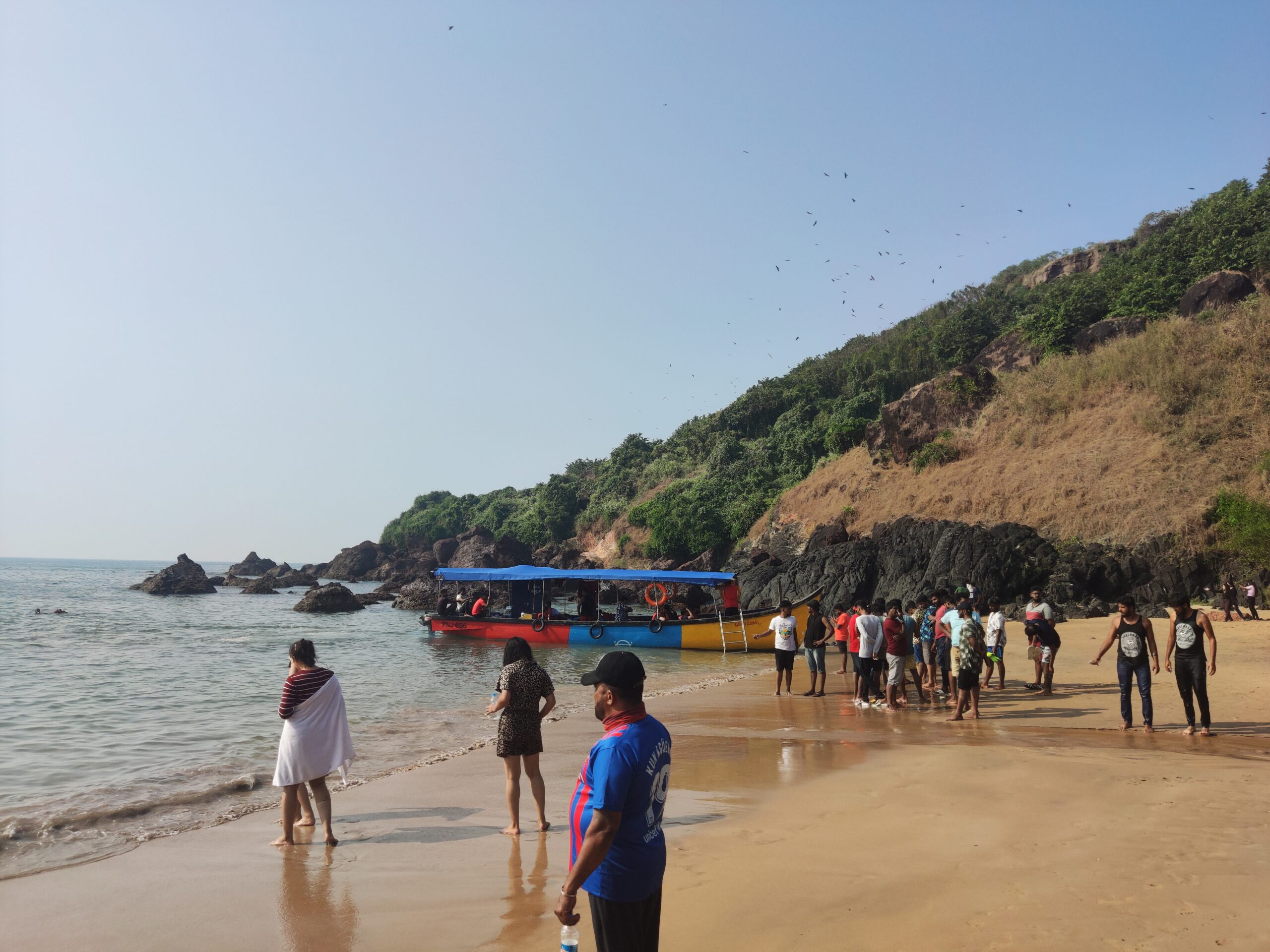
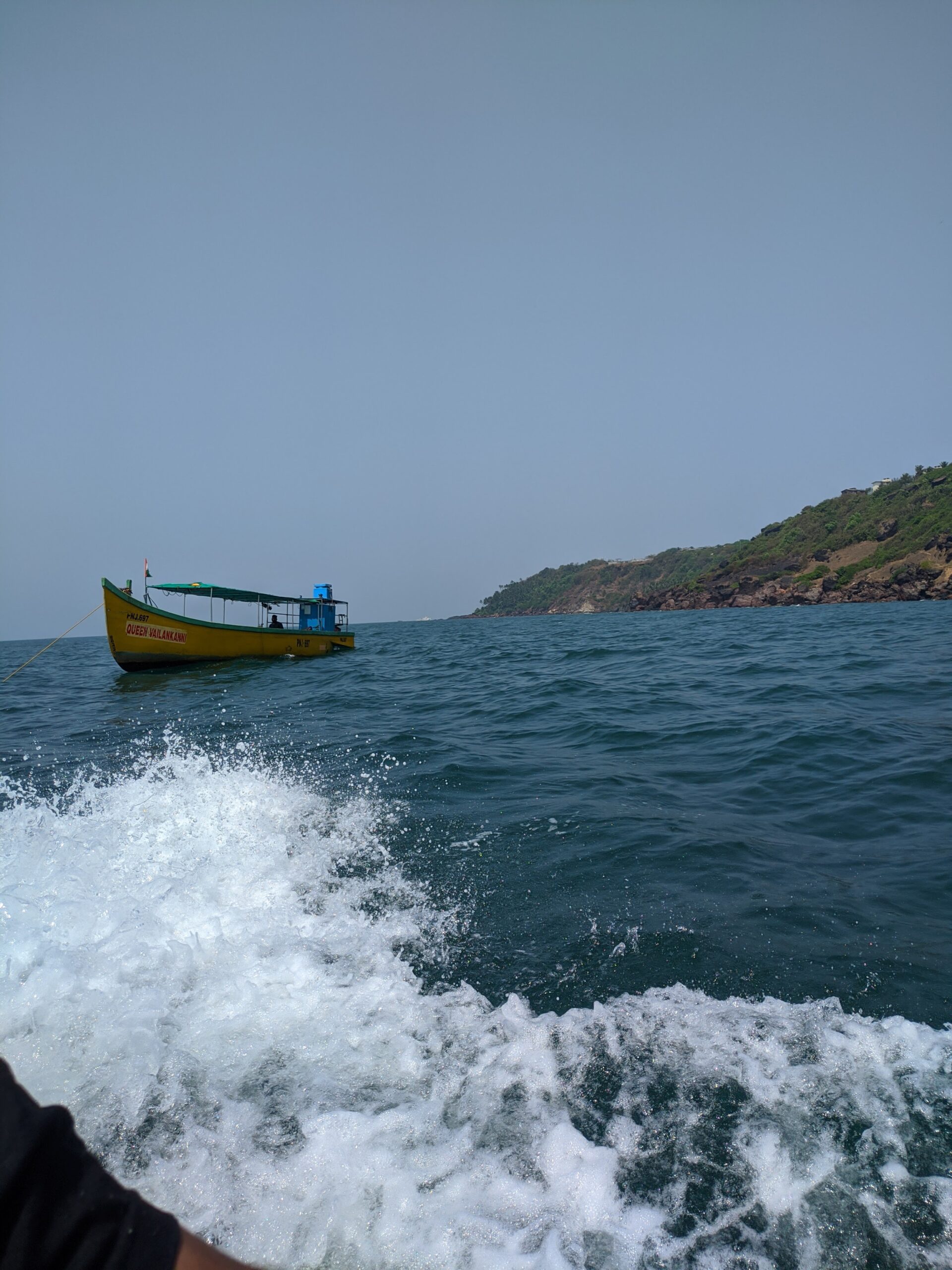
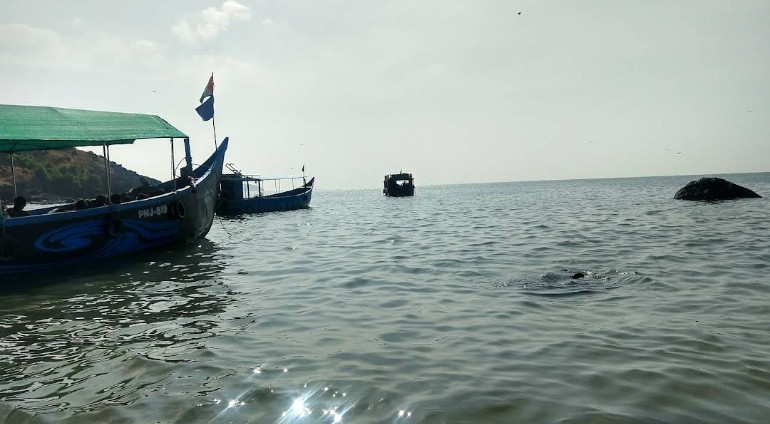
- From Palolem Beach: This is the most common starting point. You can hire a traditional wooden fishing boat or a specialized tourist boat from the northern end of Palolem. The boat ride takes approximately 15 to 20 minutes.
- Kayaking: For the more adventurous, renting a kayak from Palolem or Agonda is a fantastic way to reach the island. It allows you to explore the rocky perimeter and hidden coves at your own pace.
- Cost: In 2026, a round-trip boat ride typically costs between ₹800 and ₹1,500 per boat (shared or private), while kayak rentals range from ₹300 to ₹500 per hour.
By Foot (Low Tide Only)
- The Crossing: During specific low-tide windows, it is sometimes possible to wade across the shallow waters from the northern rocks of Palolem Beach.
- Safety Warning: This is not recommended unless you are with a local guide or have strictly checked the tide charts. The tide returns rapidly, and the current near the river mouth can be surprisingly strong, making the return trip dangerous if timed incorrectly.
What to Do at Monkey Beach
Monkey Beach is a paradise for nature lovers, offering a mix of relaxation and mild adventure.
- Snorkeling & Marine Life: The waters surrounding Conco Island are among the clearest in South Goa. Small coral patches and rocky reefs attract schools of colorful fish, making it a prime spot for snorkeling. Many organized boat tours include snorkeling gear in their package.
- Wildlife Observation: As the name suggests, the island is home to monkeys. You can often see them foraging near the shoreline or swinging through the coconut trees. Note: Please do not feed the monkeys, as they are wild animals and can become aggressive if they expect food.
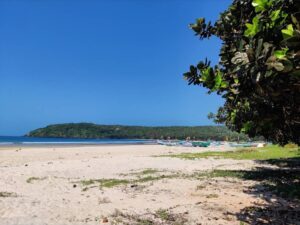
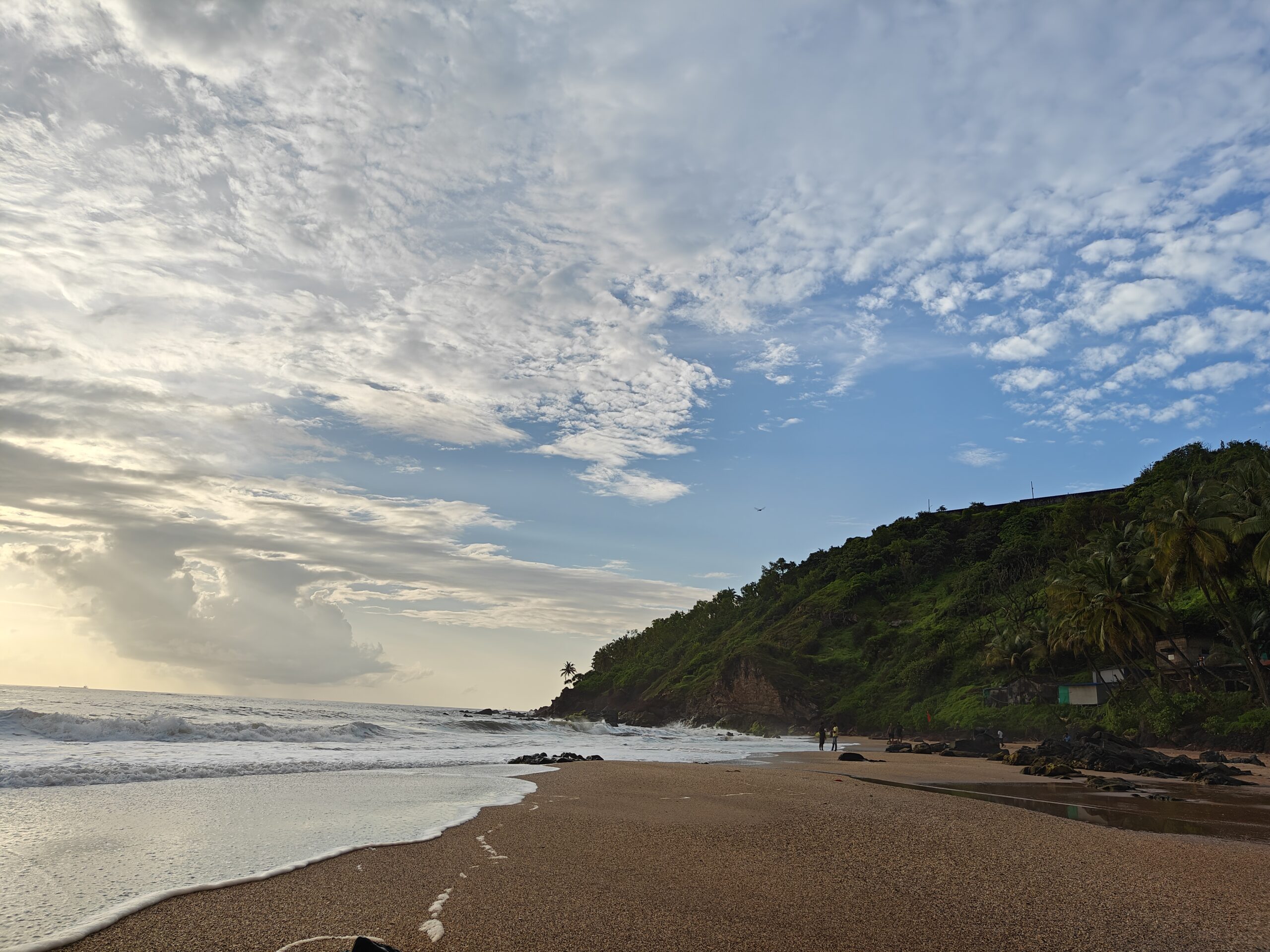
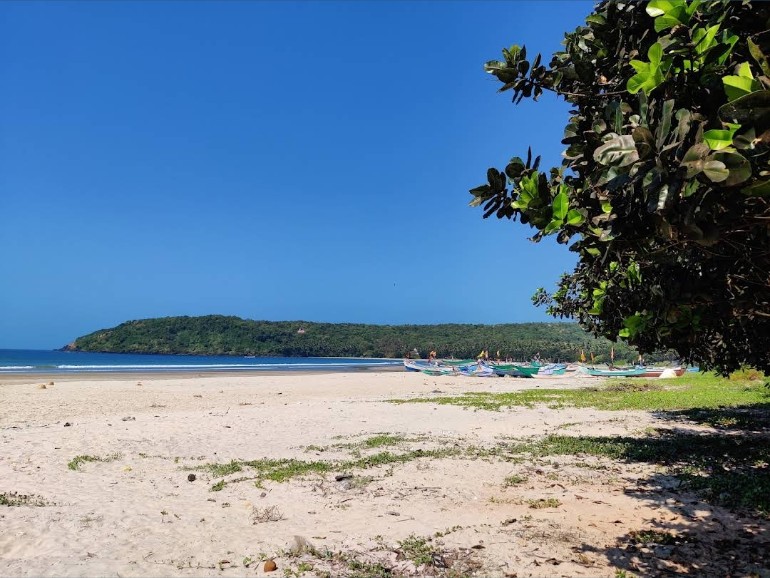
- Secluded Sunbathing: The small beach on the island is rarely crowded, especially in the early mornings. It is an ideal spot for those who want to escape the music and movement of the main beaches for a few hours of total silence.
Nightlife & Evening Scene Notice
Real-Time Update: There is no nightlife or evening infrastructure on Monkey Beach. The island is uninhabited and has no artificial lighting. All visitors are required to leave the island before sunset. If you are looking for evening entertainment, the beach shacks at Palolem (just 20 minutes away) offer some of the best silent discos and live music in South Goa.
Food and Accommodation
Monkey Beach is a protected, non-commercial zone with no permanent structures.
Where to Stay
You cannot stay overnight on Monkey Beach. Most travelers choose to stay at Palolem Beach or Agonda Beach. Palolem is famous for its colorful luxury coco-huts on stilts, while Agonda offers a more tranquil, eco-friendly villa experience.
Where to Eat
There are no restaurants or shacks on Monkey Beach. Most organized “Island Trip” packages include a Beach Barbecue or a Goan buffet served on a nearby accessible shore or on the boat itself.
- Pro Tip: If you are visiting independently by kayak, pack plenty of water and snacks. Ensure you carry all your waste back to the mainland, as there are no trash collection services on the island.
Important Information for Travelers
- Best Time to Visit: The ideal time is from November to March. During the monsoon season (June to September), boat trips to the island are completely suspended due to rough sea conditions and unpredictable river currents.
- 5G Connectivity: Mobile signals can be patchy on the far side of the island. It is best to inform your boat operator of a specific pickup time if you are being dropped off for a few hours.
- Safety First: There are no lifeguards on Monkey Beach. Always wear a life jacket during the boat or kayak journey, and avoid swimming too far from the island’s shore due to the currents from the nearby river mouth.
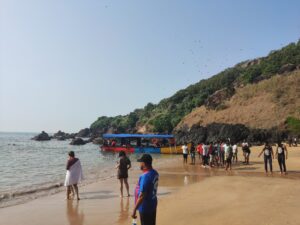
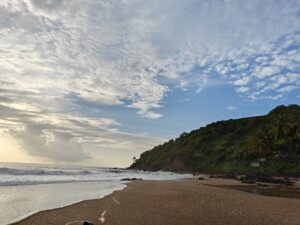
Image Gallery of Monkey Beach
Frequently Asked Questions (FAQ)
Are the monkeys on the beach dangerous?
The macaques are generally shy but curious. They are not dangerous unless provoked or teased with food. Keep your belongings (bags, sunglasses, cameras) close to you or inside your boat, as they are known to occasionally “borrow” unattended items.
Can I book a combined trip to Monkey Beach and Butterfly Beach?
Yes, this is the most common tour offered by boatmen in Palolem. A standard 2-to-3 hour “South Goa Island Tour” usually includes stops at Monkey Beach, Butterfly Beach, and a session of dolphin spotting in the open sea.
Is the island accessible for people with mobility issues?
Accessing the island involves stepping out of a boat into knee-deep water and walking on uneven sand or rocks. It may be challenging for those with significant mobility issues.
Do I need to bring my own snorkeling gear?
Most organized tour operators provide basic masks and snorkels. However, if you are a serious snorkeler or concerned about hygiene, bringing your own set is recommended.
Is there an entry fee for Monkey Beach?
There is no official government entry fee to visit the island or the beach. Your only cost will be the transportation (boat or kayak) to get there.