
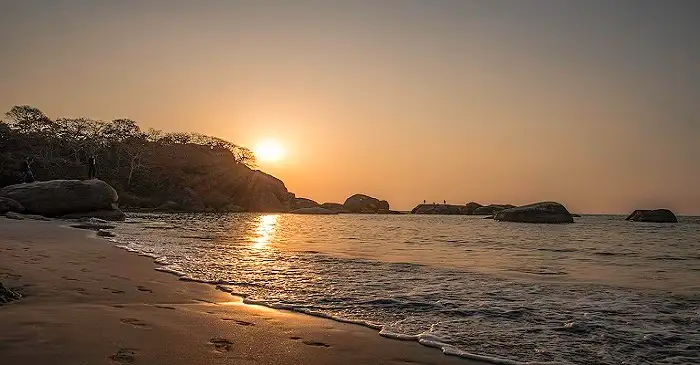
Goa: The Comprehensive Guide to India’s Emerald State
Goa is a stunningly beautiful state located on the southwestern coast of India, in the Konkan region. Goa shares its northern border with Maharashtra, its eastern and southern borders with Karnataka, and its entire western side is framed by the blue waters of the Arabian Sea.
Covering an area of just 3,702 square kilometers, Goa is India’s smallest state by land size. However, it holds a massive place in the world when it comes to culture, wealth, and quality of life.
Historically, Goa served as the main capital of the Portuguese Eastern Empire for over 450 years. This long European connection created a unique blend of cultures that looks and feels different from the rest of India. While many people think of Goa only for its 160 kilometers of sunny beaches, the actual landscape is much richer. It includes wide rivers, ancient villages, forested hills, and modern towns. Today, Goa ranks at the very top among Indian states for education, health, and living standards, boasting one of the highest income levels per person in the country. The official capital is Panaji (also called Panjim), while Margao is the busiest commercial town, and Vasco da Gama is the main industrial port city.
- Ancient and Medieval Times
- The Portuguese Era (1510–1961)
- Liberation and Statehood
- Topographic Zones
- Hydrography and River Systems
- Flora, Fauna, and Protected Wildlife Reserves
- How Goa is Governed
- The Goa Uniform Civil Code
- Tourism and Hospitality
- Industry, Shipping, and Medicine Manufacturing
- Language and Books
- Unique Architecture
- The Local Food
- Air, Rail, and Highways
- Local Travel: Buses, Pilots, and Ferries
- Media and Communication Networks
- The Map Of Goa
Etymology and Historical Toponymy
The linguistic origin of the word “Goa” remains a subject of intense historical and etymological debate.
Long before European cartographers standardized the name on international maritime charts, the region was referred to by a myriad of classical titles in ancient Sanskrit and Prakrit literature. In Epic and Puranic texts, the territory is alternatively designated as Gomanchala, Gopakapattana, Govapuri, Govem, and Gomantak. The root word Goma is heavily associated with cattle and pastoral abundance, implying a fertile land of milk and agricultural prosperity.
The ancient Kadamba dynasty recognized the maritime capital along the Zuari River as Gopakapuri, a bustling center of international trade. When the Bahmani and subsequent Bijapur Sultanates established control over the northern banks of the Mandovi River in the 15th century, the localized settlement grew to be known as Ghor or Gua.
Following the historic capture of this riverine city by Portuguese general Afonso de Albuquerque in 1510, the colonial administration adopted the name Goa to designate the city. Over time, as Portuguese territorial holdings expanded to encompass the surrounding provinces, the name evolved from a singular river port designation into the definitive title for the entire state.
History and Geopolitical Evolution
Goa’s history is a rich story shaped by ancient tribal communities, powerful medieval kingdoms, centuries of European colonial rule, and a modern struggle for linguistic and political identity.
Ancient and Medieval Times
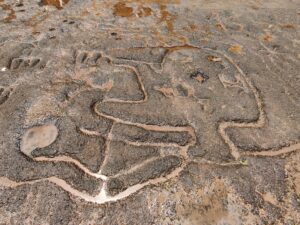
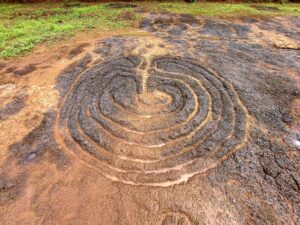
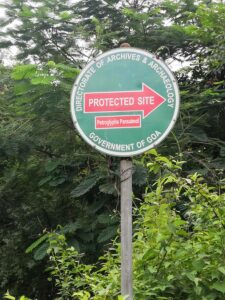
Archaeological excavations within the Mandovi-Zuari basin reveal that human occupation in Goa dates back to the Lower Paleolithic age. Rock carvings at Usgalimal demonstrate an ancient, thriving hunter-gatherer civilization that gradually transitioned into organized tribal settlements. The Proto-Australoid Konkas are widely regarded as the region’s earliest agricultural settlers, laying the groundwork for the unique Khazan lands management system that persists today.
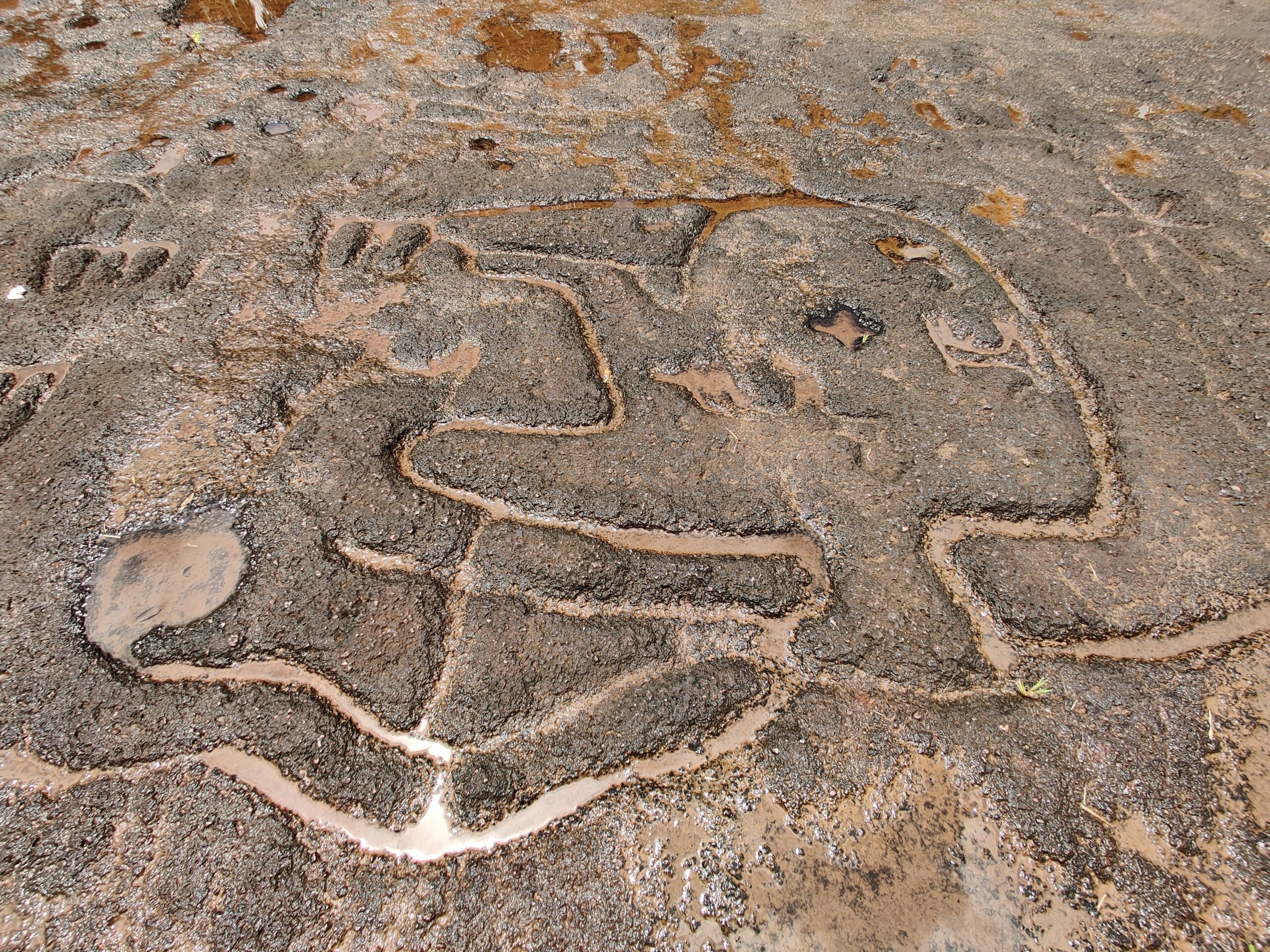
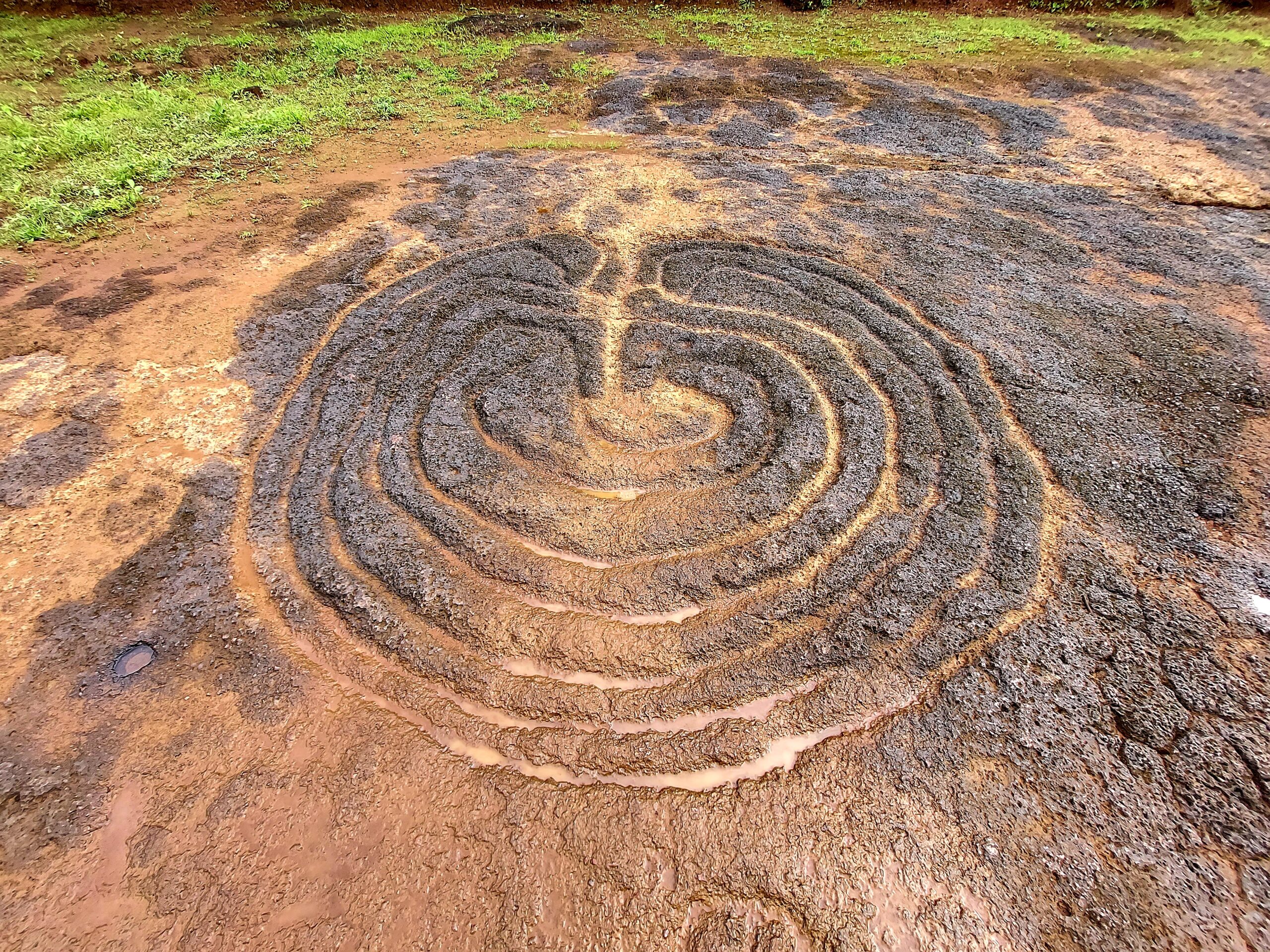
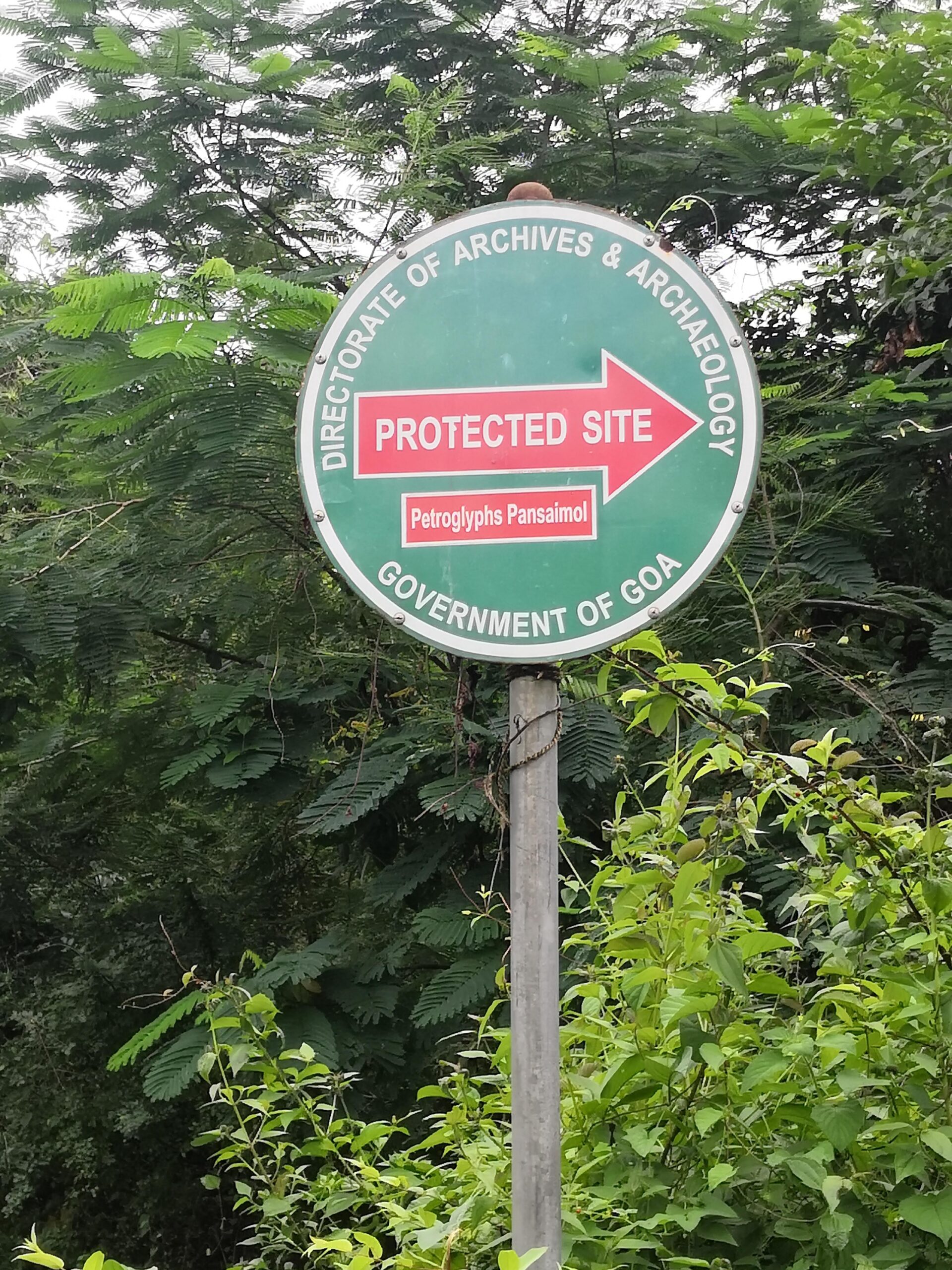
By the 3rd century BC, Goa was integrated into the Mauryan Empire under Emperor Ashoka, establishing Buddhism as an early spiritual force. Following the Mauryas, a succession of indigenous dynasties—including the Bhojas, the Satavahanas, and the Western Chalukyas—ruled portions of the Konkan coast.
The true golden age of indigenous rule arrived with the Kadamba Dynasty (1006–1356). The Kadambas transformed Goa into an international maritime powerhouse, moving their capital from Chandor (Chandrapura) to Goa Velha (Gopakapattana) to dominate the Indian Ocean trade routes, welcoming merchants from Zanzibar, Persia, and China. This prosperity attracted brutal invasions from the Delhi Sultanate, eventually leading to a period of instability under the Vijayanagara Empire and the Bahmani Sultanate
The Portuguese Era (1510–1961)
The geopolitical destiny of Goa changed permanently in 1510 when Afonso de Albuquerque allied with local Hindu chieftain Timoja to wrest control of Velha Goa from the Bijapur Sultanate. The strategic objective was clear: establish a fortified naval base to control the lucrative spice routes of the Indian Ocean.
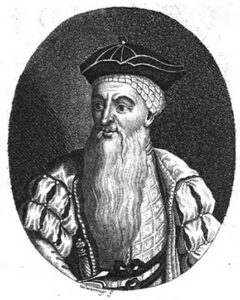
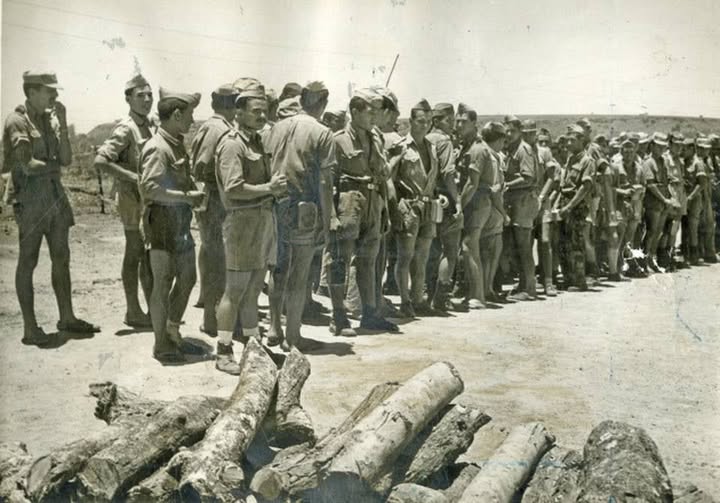
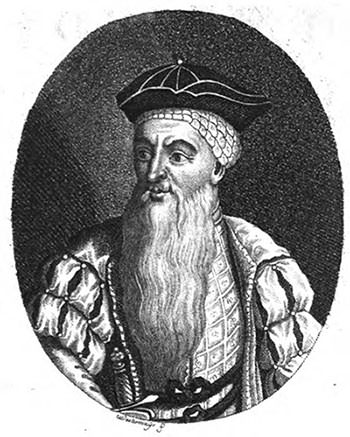
The Portuguese presence in Goa can be split into two distinct geographic and chronological phases. The first is the Old Conquests (Velhas Conquistas), comprising the core coastal talukas of Tiswadi, Bardez, and Salcete, which were annexed in the 16th century. This period saw intense religious zeal, the establishment of the Goa Inquisition, and massive architectural transformations that replaced ancient temples with monumental Baroque churches.
The second is the New Conquests (Novas Conquistas), encompassing the sweeping hinterlands of Pernem, Sanquelim, Sattari, Ponda, Sanguem, Quepem, and Canacona, which were integrated much later in the 18th century. As a result, the New Conquests retained their dominant Hindu demographics, agricultural systems, and deep forest traditions, escaping the aggressive cultural assimilation of the coast.
For centuries, Cidade de Goa (now Old Goa) stood as the glittering epicenter of the Portuguese Empire in the East, known globally as the “Rome of the East.” However, devastating cholera and plague epidemics in the 18th century forced the Viceroy to abandon the ruined metropolis, shifting the capital downstream to Nova Goa (Panaji) in 1843.
Liberation and Statehood
While British rule over mainland India ended in 1947, Portugal’s dictatorial Estado Novo regime refused to negotiate the transfer of its overseas provinces, claiming Goa was an integral part of metropolitan Portugal. Internal resistance grew rapidly, spearheaded by nationalist figures like Tristão de Bragança Cunha and Ram Manohar Lohia.
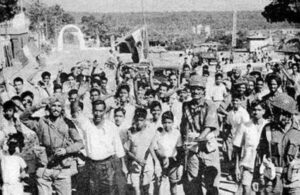
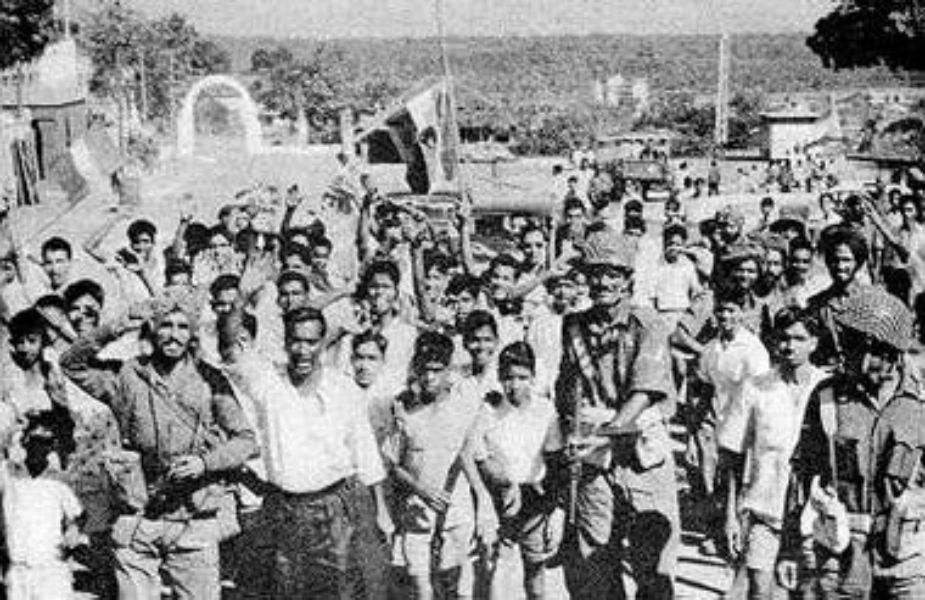
After a series of failed diplomatic efforts and violent border incidents involving peaceful freedom fighters (Satyagrahis), the Indian Government launched Operation Vijay on December 17, 1961. A decisive 36-hour multi-pronged military action by the Indian Armed Forces led to the formal surrender of Portuguese Governor-General Manuel António Vassalo e Silva on December 19, ending 451 years of European rule.
Initially incorporated as a Union Territory alongside Daman and Diu, Goa faced a major existential crisis regarding its cultural independence. In the historic Opinion Poll of 1967—the only referendum ever conducted in modern India—Goans voted decisively against merging with neighboring Maharashtra, choosing to preserve their distinct territorial identity.
Following the intense Konkani Language Agitation, Konkani was recognized as an official language, and Goa was formally granted full status as the 25th state of the Indian Union on May 30, 1987.
Geography and Environmental Systems
Goa’s natural landscape is defined by a dramatic transition from the azure waters of the Arabian Sea to the rugged, biodiverse heights of the Sahyadri canopy.
Topographic Zones
The state is structurally divided into three distinct physiographic regions.
The first is the Coastal Plains, characterized by sandy beaches, rocky headlands, cliffs, and highly fertile estuarine regions. This zone is heavily dominated by the Khazan ecosystem—an ancient network of reclaimed wetlands managed by intricate dykes and sluice gates that protect agricultural fields from saltwater intrusion while allowing sustainable fish farming.
The second is the Midland Plains, a transitional zone featuring rolling hills, valleys, and plateaus covered in thick laterite rock layers. The soil here is highly rich in ferric-aluminium oxides, giving the Goan earth its iconic deep-red hue. This region forms the agricultural backbone of spice plantations and orchard cultivation.
The third is the Western Ghats (Sahyadris), rising abruptly along the eastern border to heights exceeding 1,000 meters, with Sonsogor standing as the highest peak at 1,026 meters. This mountainous zone belongs to one of the world’s top biodiversity hotspots, home to dense tropical evergreen forests and a wide variety of endemic species.
Hydrography and River Systems
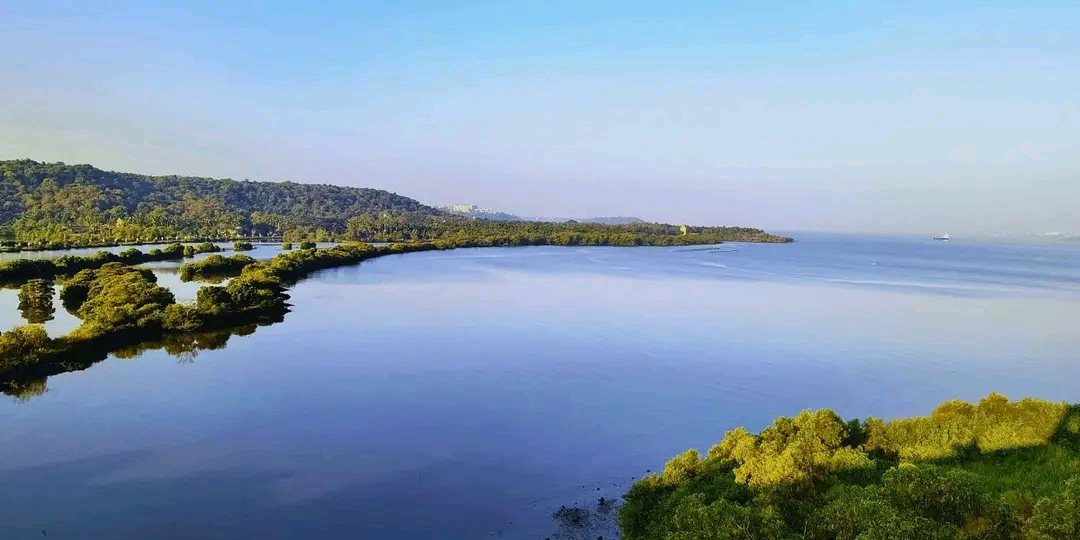
Goa is blessed with a dense network of nine major rivers that flow from east to west, feeding vital estuarine ecosystems before entering into the Arabian Sea. The two primary lifelines of the state are the Mandovi River and the Zuari River.
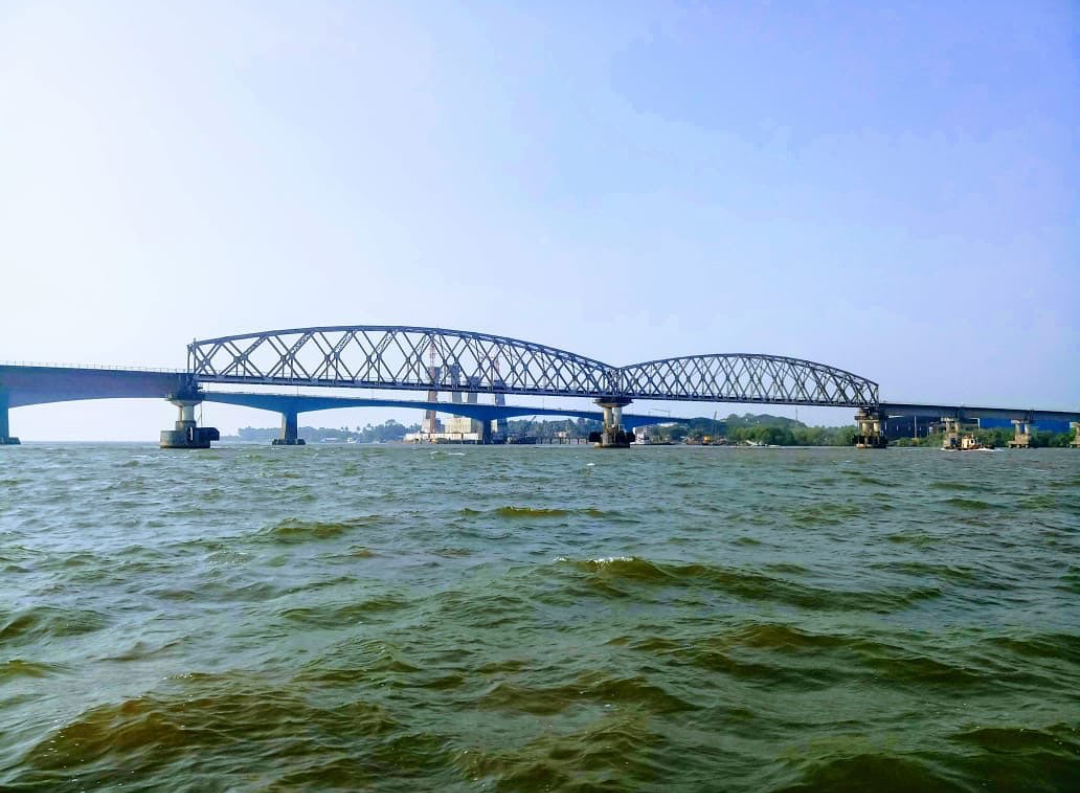
The Mandovi River rises in the Western Ghats of Karnataka and flows past the historic sites of Old Goa and Panaji, forming a massive estuarine bay. The Zuari River is the longest river in Goa and features a broad, navigable mouth that hosts the natural deepwater harbor of Mormugao.
The Mandovi and Zuari rivers are connected by the natural Cumbarjua Canal, creating an intricate inland waterway system that has served as the backbone of Goan trade, transport, and ecology for centuries. Other crucial river systems include the Chapora and Terekhol in the north, and the Sal, Talpona, and Galgibag in the south.
Flora, Fauna, and Protected Wildlife Reserves
Goa’s environment is occupied by dense, rich forest cover, over one-third of the state’s entire territory.
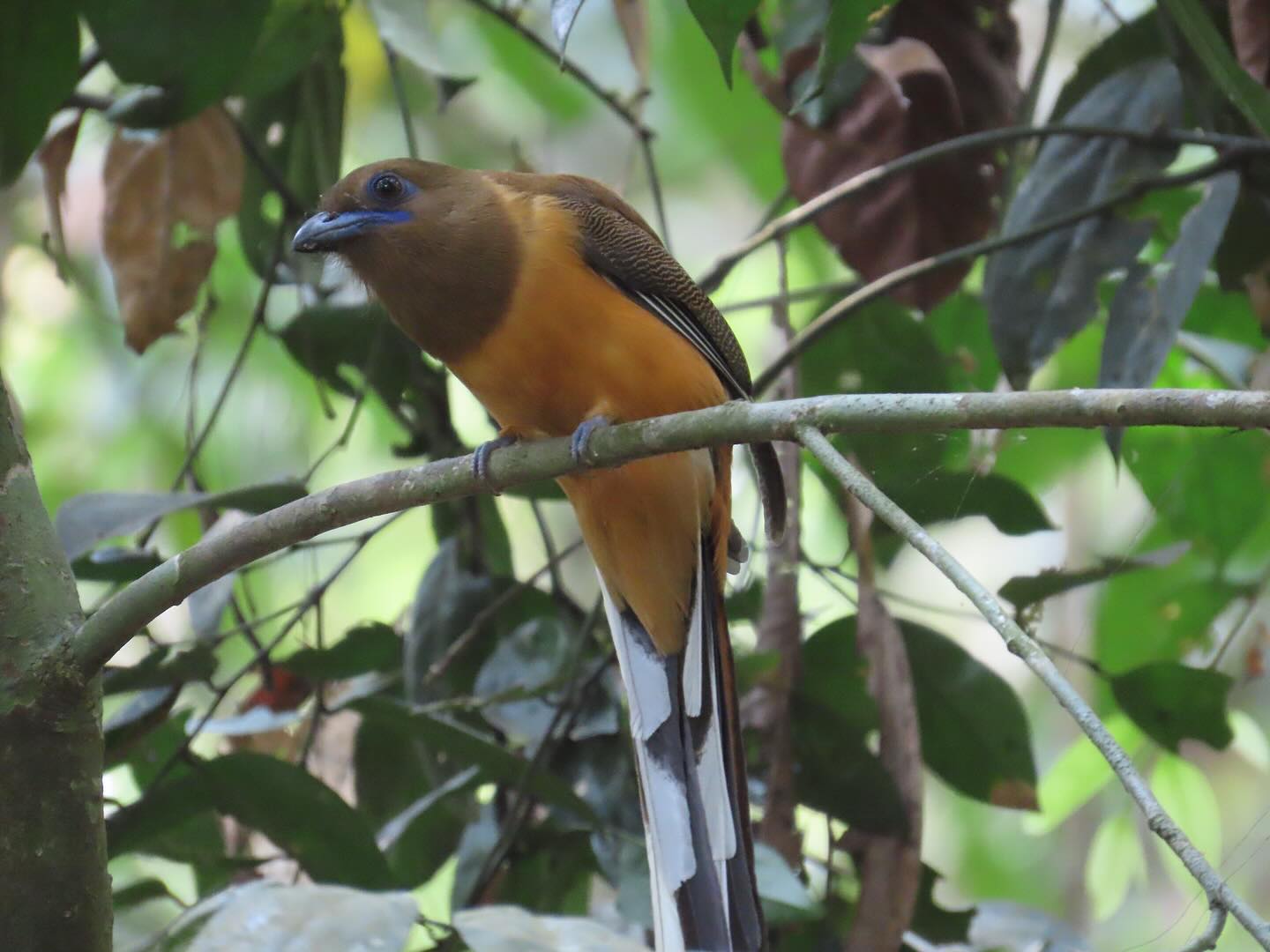
The state’s wilderness is preserved through a dedicated network of protected spaces, including the massive Bhagwan Mahavir Wildlife Sanctuary (which contains the Mollem National Park), the Cotigao Wildlife Sanctuary in the deep south, and the Bondla Wildlife Sanctuary, which serves as a vital eco-tourism and rehabilitation facility.
These dense, moist deciduous and semi-evergreen forests shelter iconic species such as the Gaur (the Indian Bison, Goa’s official state animal), the black panther, the leopard, the barking deer, and the elusive king cobra.
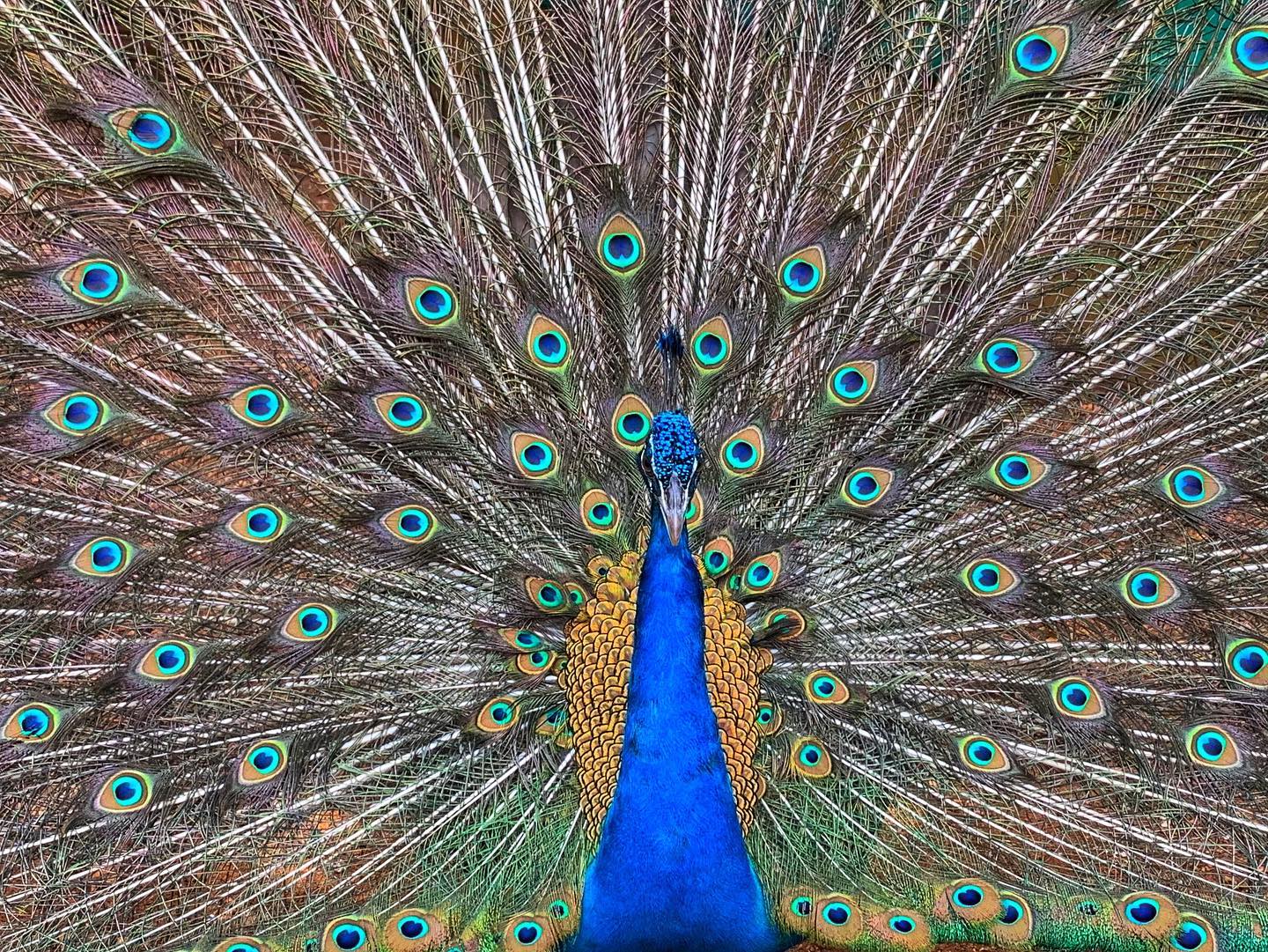
Along the coastal waterways, the Salim Ali Bird Sanctuary, situated on the estuarine island of Chorao, forms a vital mangrove wilderness protection zone. This sanctuary acts as a critical nesting habitat for hundreds of local and migratory bird species, including the white-bellied sea eagle, the striated heron, and multiple varieties of kingfishers.
The surrounding river estuaries are also home to thriving populations of smooth-coated otters and mugger crocodiles, which have adapted uniquely to the brackish waters of the coastal canals



Government and the Uniform Civil Code
Administratively, Goa is divided into two main districts: North Goa (with its main offices in Panaji) and South Goa (with its main offices in Margao). These two districts are further split into 12 smaller local areas called talukas.
How Goa is Governed
Goa’s local laws are made by a single lawmaking body called the Goa Legislative Assembly, which features 40 elected members (MLAs). They meet in a modern government complex located in Porvorim, just across the river from Panaji.
The ceremonial head of the state is the Governor, who is chosen by India’s central government. However, the real political leader who runs the state day-to-day is the Chief Minister. In the national parliament in New Delhi, Goa sends two elected members to the lower house (Lok Sabha) and one member to the upper house (Rajya Sabha). Goa’s legal system is guided by a permanent branch of the High Court of Bombay, also located in Porvorim.
The Goa Uniform Civil Code
One of the most unique things about Goa is its legal system. It is the only state in India that uses a Uniform Civil Code. This means there is one single set of family laws that applies equally to every citizen, regardless of their religion, caste, or gender.
This system is a direct continuation of the old Portuguese Civil Code of 1867. When India liberated Goa in 1961, the government chose to keep this law because it was highly fair and progressive.
Under this special Goan law:
- Practices like polygamy (marrying more than one person) are strictly banned for everyone.
- Communion of Property: When a couple gets married, they automatically become equal business partners in life. Both the husband and wife legally own a joint 50% share of all money, land, and property brought into the marriage or inherited later.
- A husband cannot sell or give away family land or a house without his wife signing her official approval.
This structure provides incredible financial safety for women and ensures that daughters and sons get equal shares of family property, making Goa’s family laws very different from the rest of India.
People and Local Culture
Goa has a stable and peaceful population of about 1.6 million people. It is a highly urban state, with more than 77% of its citizens living in modern towns or developed coastal villages.
The religious makeup of Goa is unique and has been harmonious for centuries. Roughly 66% of the people are Hindu, 25% are Christian (mostly Roman Catholic), and about 8% are Muslim, alongside very small groups of Sikhs, Jains, and Buddhists. Over hundreds of years, these different groups have woven a shared culture. It is a common sight in Goa to see Hindus celebrating Christian feast days and Catholics lighting lamps for Hindu festivals.
Economy and Local Industries
Goa has a highly successful economy. In the past, the state relied mostly on farming and fishing, but today it runs on modern services, world-class factories, and international travel. Goa’s total economic output is very high, and because its population is small, its citizens enjoy an average income that is nearly three times the national average.
Tourism and Hospitality
Tourism is the most famous part of Goa’s economy, welcoming over 10 million Indian and international vacationers every single year. The beach vacation scene has two distinct personalities:
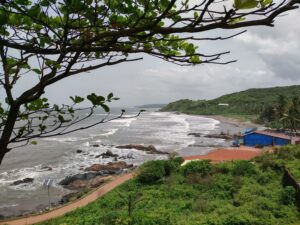
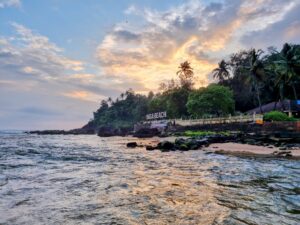
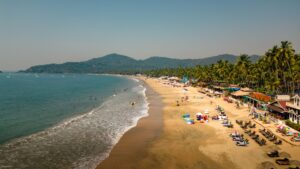
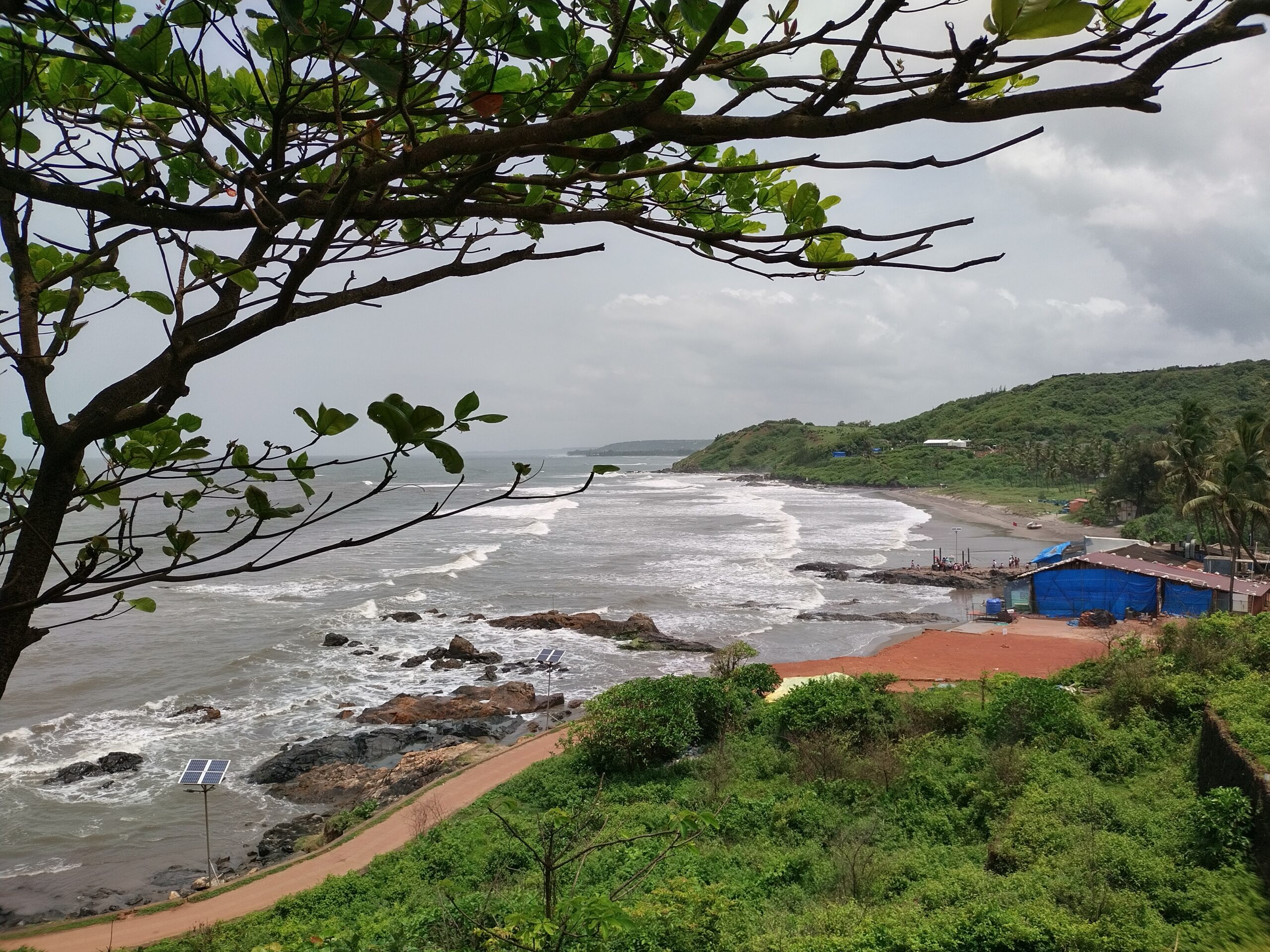
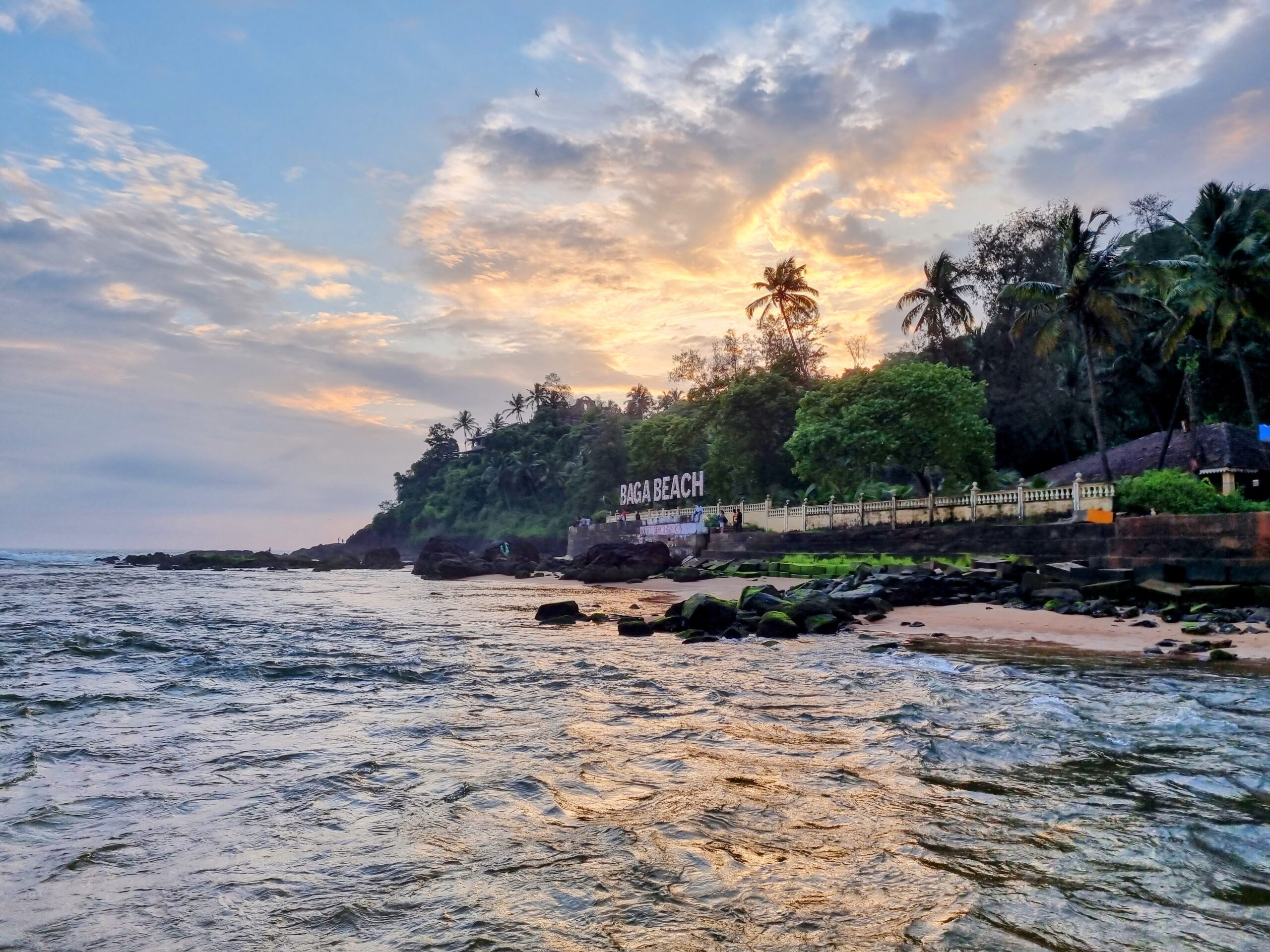
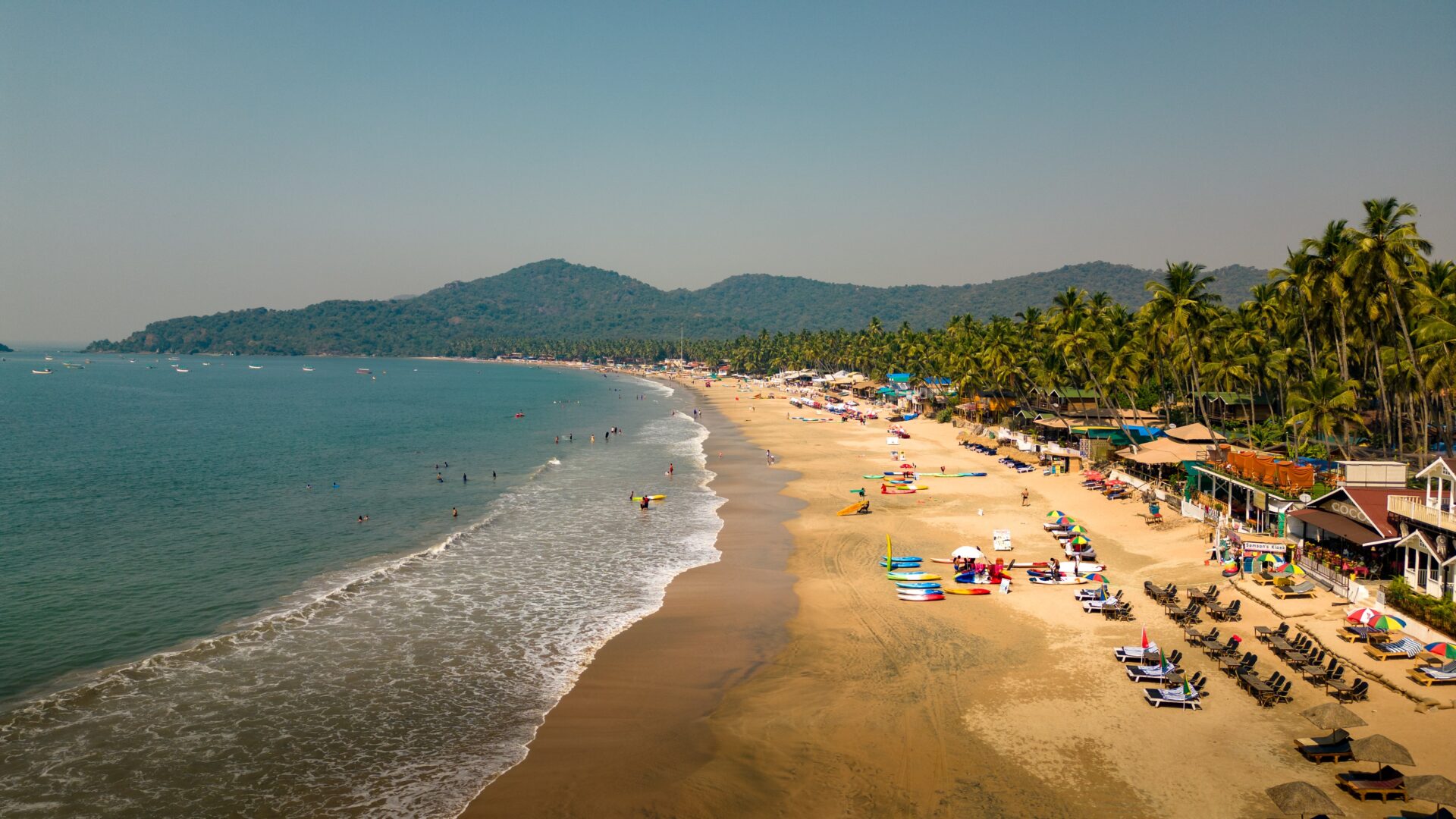
- The North Goa Coast: Areas like Baga, Calangute, Anjuna, and Arambol are famous for high-energy travel, water sports, busy markets, and vibrant nightlife.
- The South Goa Coast: Areas like Palolem, Agonda, and Varca focus on peaceful, quiet, luxury travel under coconut groves.
In recent years, a new sector called Hinterland Eco-Tourism has grown. Travelers are now heading away from the beaches to explore the deep inland forests, visit spice plantations, watch birds, and see the spectacular Dudhsagar Falls—a massive 310-meter-high waterfall where water rushes down the mountain looking like a stream of milk.
Industry, Shipping, and Medicine Manufacturing
For a long time, digging up iron ore and manganese from the red plateaus of towns like Bicholim and Sanguem was a major source of wealth. Large flat boats called barges carried this raw metal down the rivers to the Mormugao Port, which is one of the best natural deepwater harbors in South Asia. Today, these operations are carefully limited by strict environmental rules to protect the nature of the state.
Many travelers do not know that Goa is also a world leader in making modern medicines. The state government has set up clean, pollution-free industrial estates in places like Verna and Tuem. These zones host major global pharmaceutical factories. They produce a huge share of the high-quality tablets, vaccines, and life-saving medicines that India exports to advanced medical markets like the United States and Europe.
Additionally, the state’s modern infrastructure—including the Manohar International Airport in the northern town of Mopa—has made it easy for clean tech companies and software startups to set up offices in Goa.
Education and Schools
Goa places a huge value on learning. Thanks to good government support and excellent public infrastructure, almost every citizen in Goa knows how to read and write.
Schools in Goa follow both local state guidelines (the Goa Board) and national school systems (like CBSE and ICSE). Children routinely grow up learning multiple languages, easily speaking and writing in Konkani, Marathi, English, and Hindi.
For college students, Goa has become a premier destination for advanced studies:
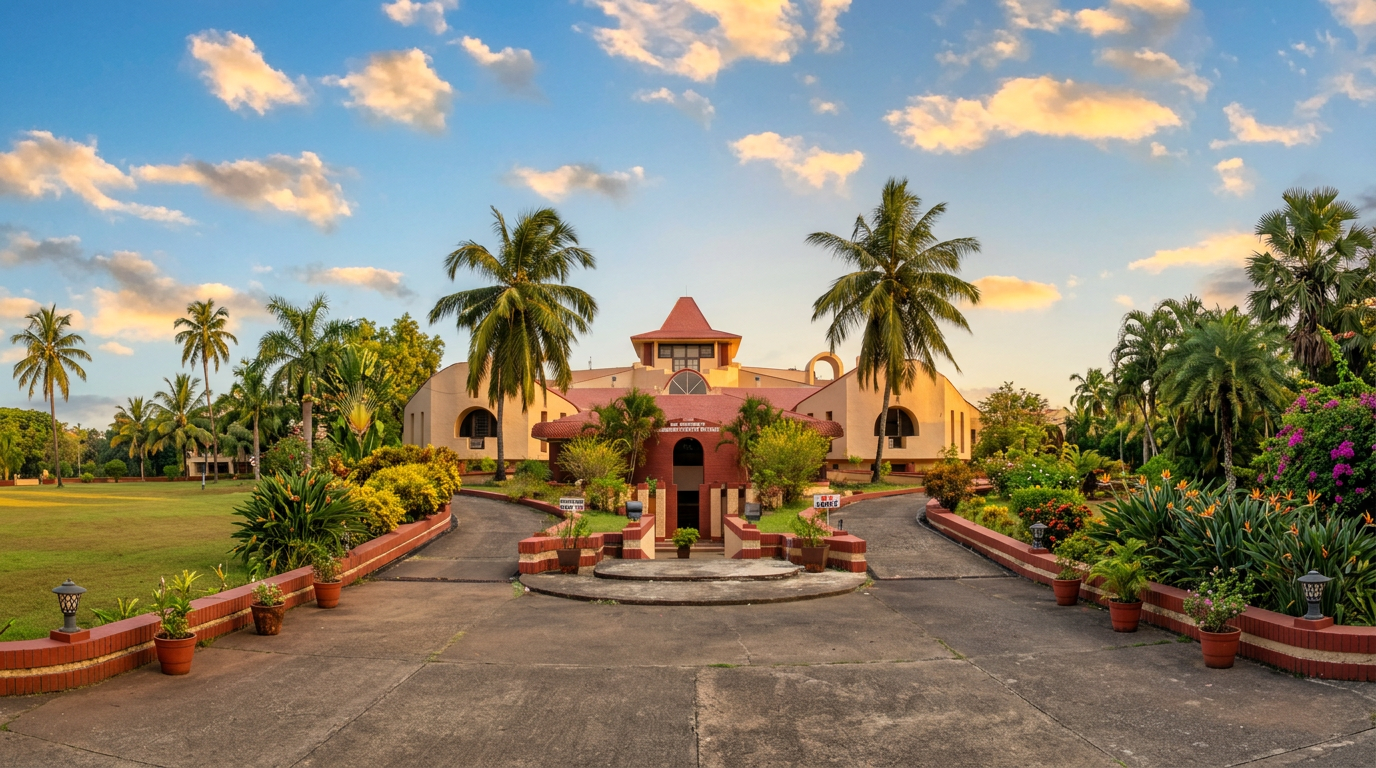
- Goa University: Situated on a beautiful green plateau in Taligao, it serves as the parent institution for almost all local degree colleges.
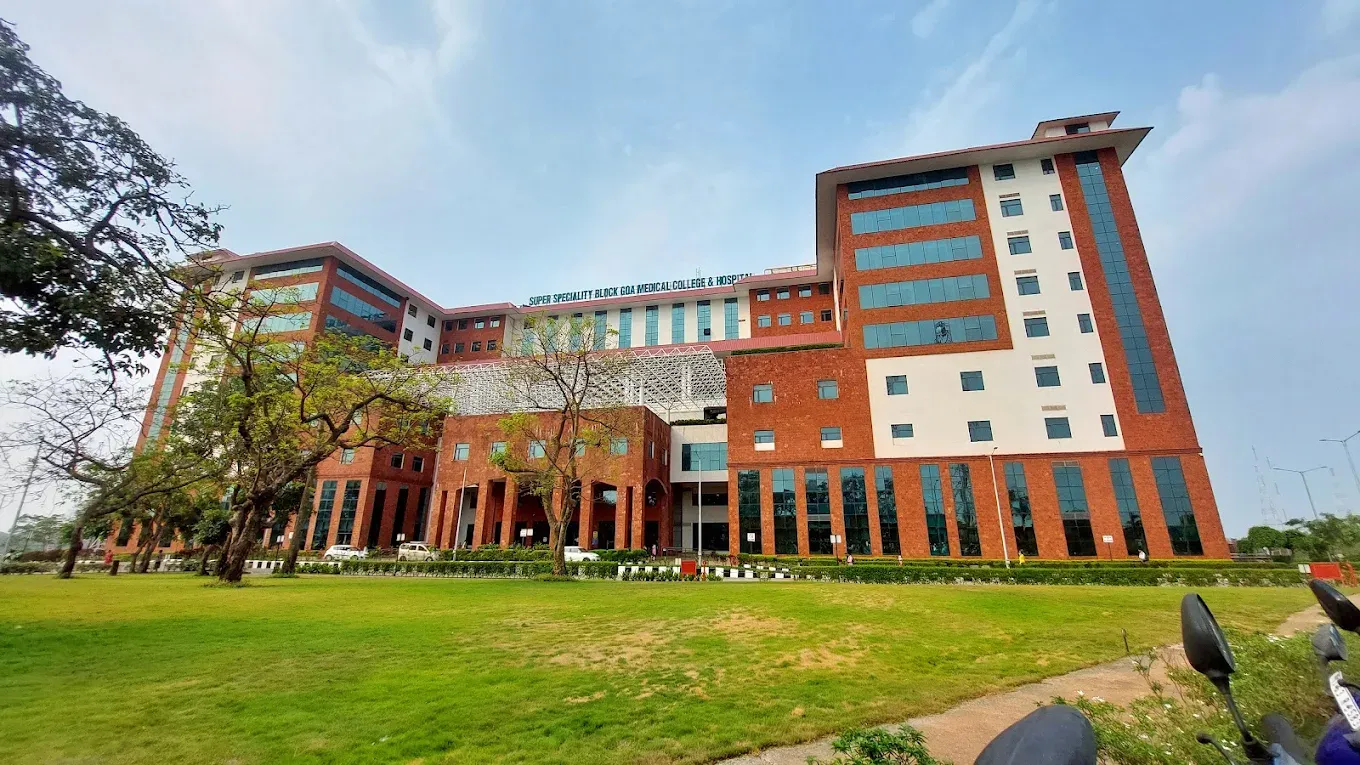
- Goa Medical College (GMC): Located in Bambolim, this is one of the oldest institutions teaching modern Western medicine in all of Asia.
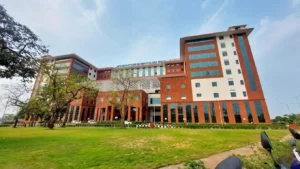
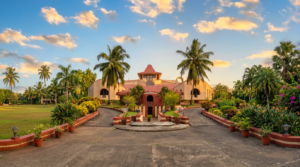
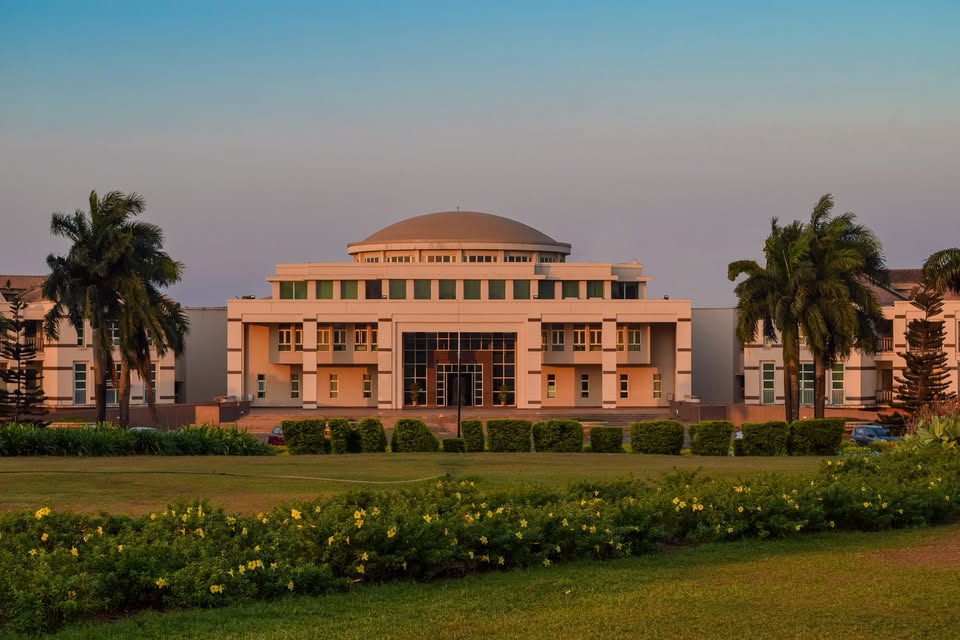
- Elite National Institutes: Goa is home to highly competitive national schools, such as the Indian Institute of Technology Goa (IIT), the National Institute of Technology (NIT), the beautiful BITS Pilani K.K. Birla Campus, and the top-ranked Goa Institute of Management (GIM).
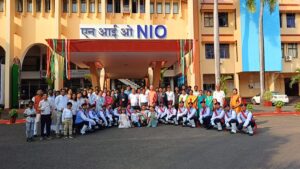
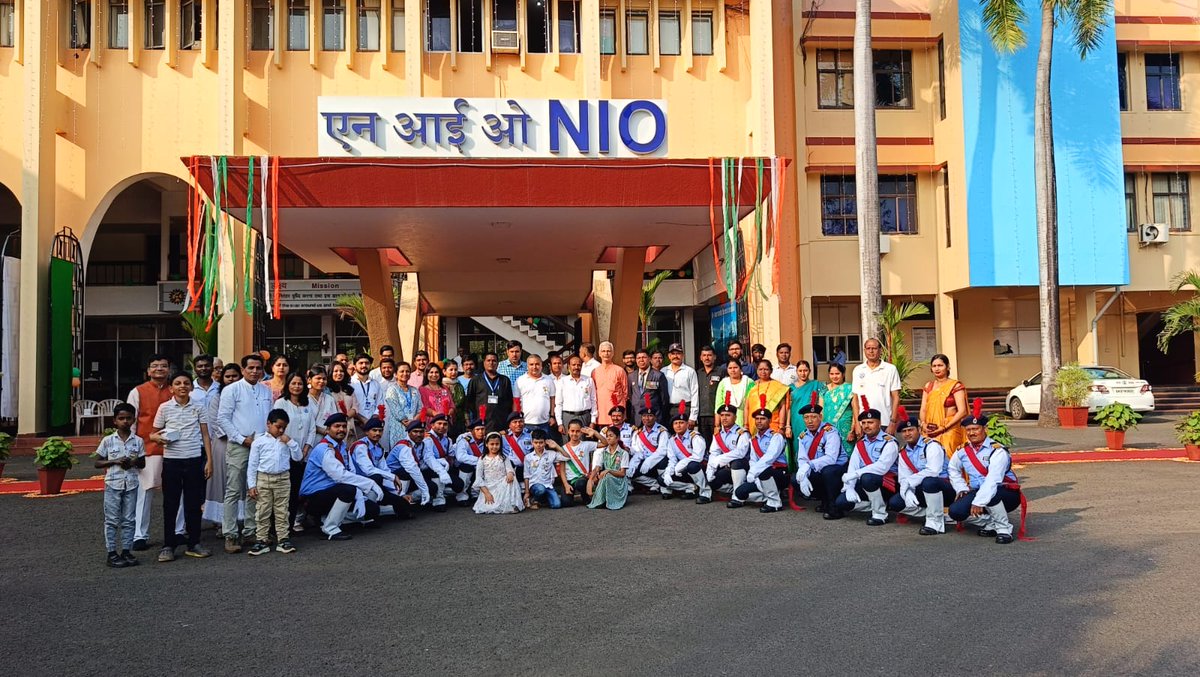
- National Institute of Oceanography (NIO): Located right on the coast at Dona Paula, this is a world-famous scientific research station where global scientists study marine biology, sea life, and ocean currents across the Indian Ocean.
Sports Culture
While cricket is the king of sports in most of India, Goa has a deep, historic love for another game: Association Football (Soccer).
Football is officially recognized as the state sport. Legendary local clubs like Dempo SC, Salgaocar FC, and the Churchill Brothers have won major national trophies for decades. Today, the local hero team is FC Goa, which plays in the top-tier Indian Super League (ISL). Whenever they play a home match, thousands of passionate fans fill up the Pandit Jawaharlal Nehru Stadium in the southern town of Fatorda, wearing bright orange jerseys.
At the same time, cricket has built a very strong and professional footprint under the Goa Cricket Association (GCA), based in Porvorim. To support this growth, a massive, modern international cricket stadium is currently being developed at Dhargal in the northern Pernem area. You can check the Goa Cricket Stadium Update via local news to track the real-time movement of the GCA’s upcoming stadium project.
Goa proved its status as an all-around sporting hub when it hosted the prestigious 37th National Games of India. Goan athletes won an incredible 92 medals, ranking among the top ten territories in the entire country. The state showed incredible strength in martial arts and combat sports, winning gold medals in traditional sports like Sqay martial arts, Taekwondo, Boxing, Karate, and Kickboxing. Because of its wonderful ocean geography, Goa also excels at water sports, routinely producing national champions in competitive distance swimming, sailing, and windsurfing.
Daily Life, Language, and Delicious Food
The true spirit of Goa can be summed up by a local phrase: Amchem Goem (Our Goa). It represents a friendly, community-driven lifestyle built around peace, kindness, and a relaxed sense of happiness known as Suvegad (a word that comes from the Portuguese word for “safe” or “content”).
Language and Books
The linguistic soul of the state is Konkani. It is an Indo-Aryan language that is officially written using the Devanagari script, though a large world of local theater, music, and church books also uses the Latin (Romi) script. Konkani is a great unifier because it is spoken by Goans of all religions. While English and Hindi are used everywhere in business and schools, Marathi is also commonly spoken, especially near the northern borders.
Unique Architecture
Goa’s buildings are a visual treat, mixing old European designs with practical choices made for hot, rainy tropical weather.
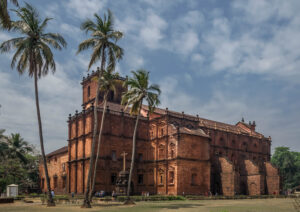
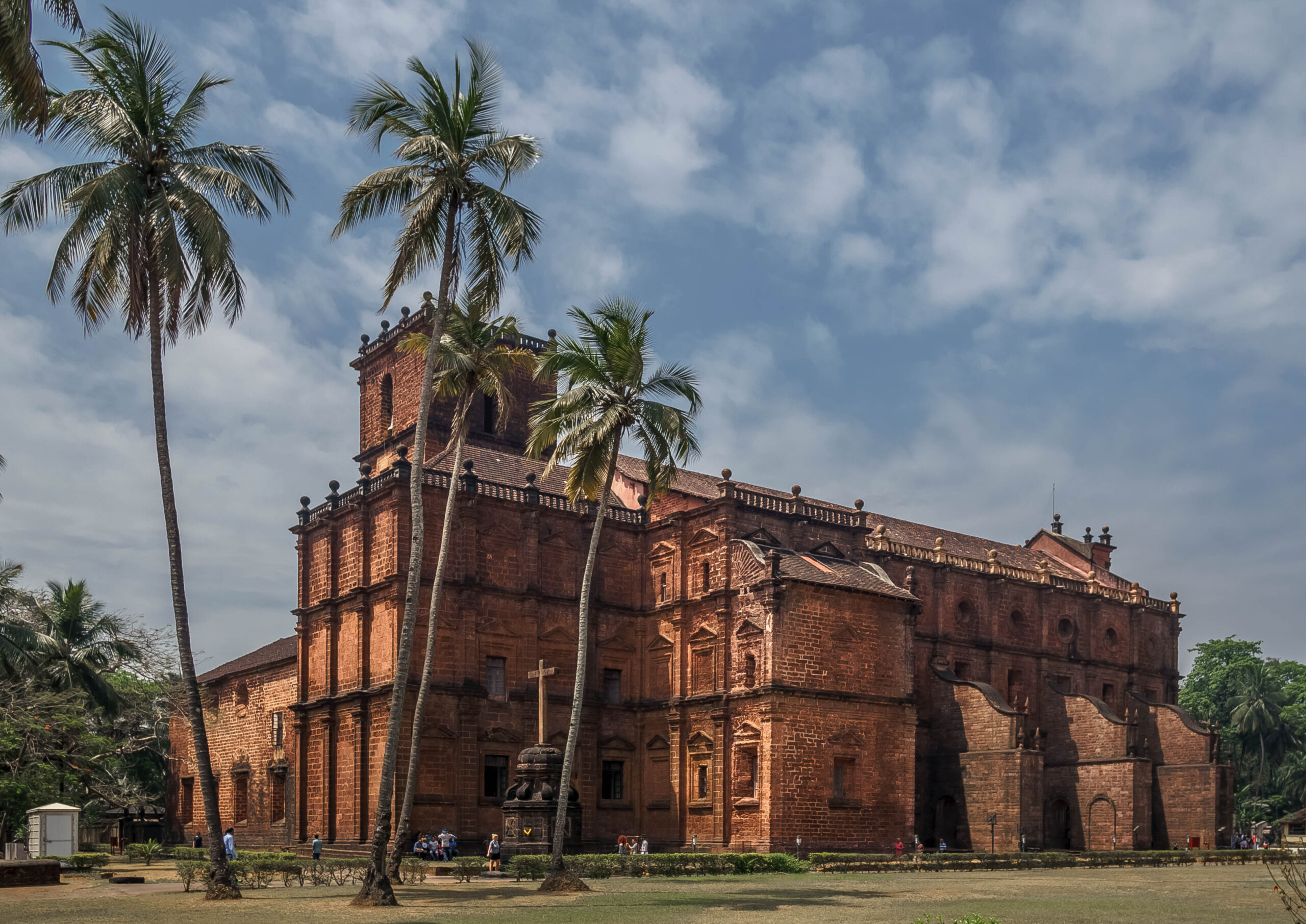
- The Churches: At the UNESCO World Heritage site in Old Goa, you can see massive stone structures like the Basilica of Bom Jesus (which holds the sacred body of the historical missionary St. Francis Xavier) and the giant Se Cathedral, built in grand European Baroque styles.
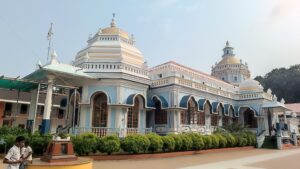
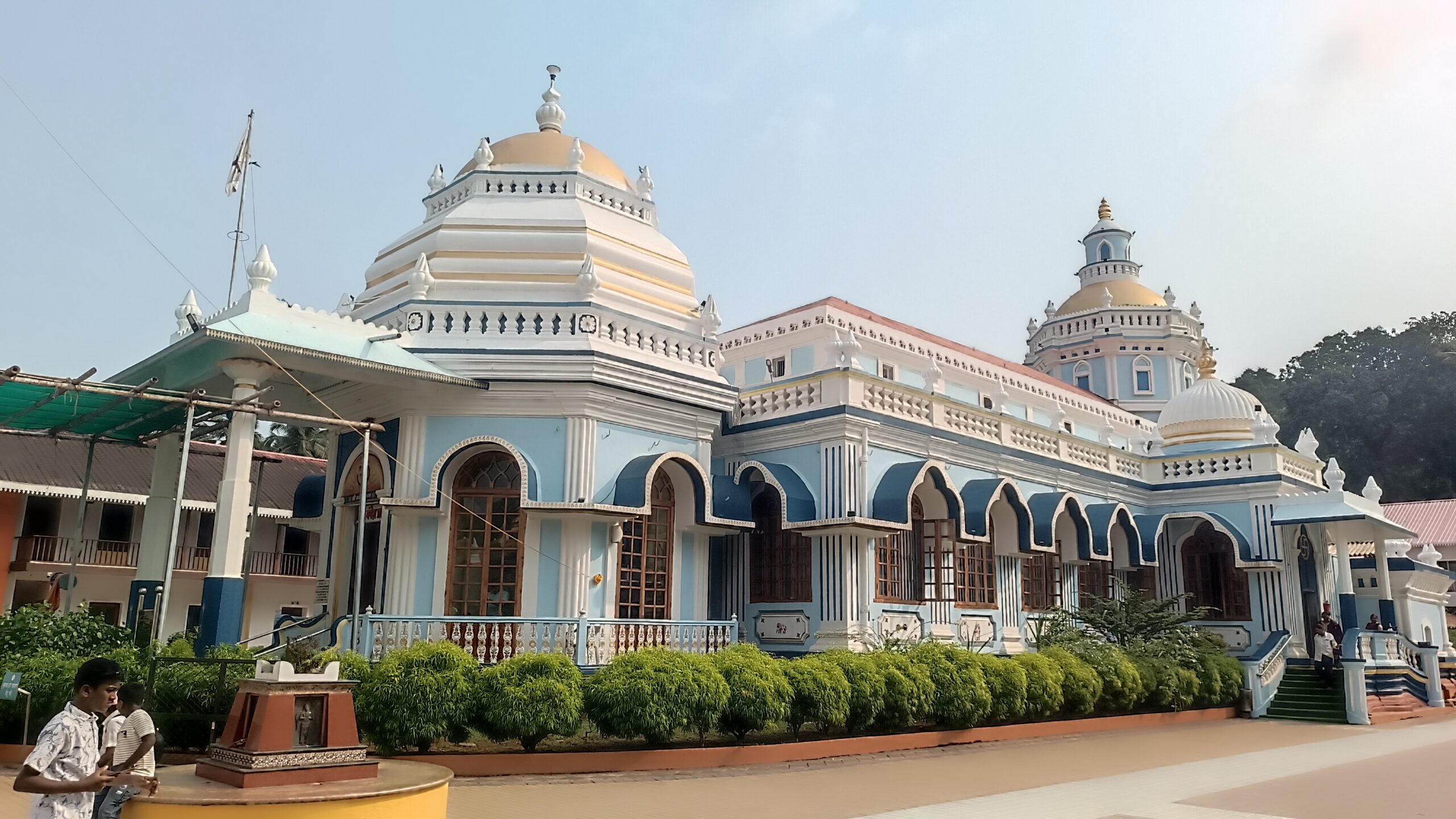
- The Temples: In the inland valleys of Ponda, Hindu temple designs adapted creatively during colonial times. Temples like Mangueshi and Shanta Durga feature tall, white octagonal lamp towers called Deepastambhas and unique European-style roofs and domes.
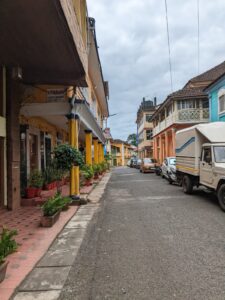
- The Homes: In old town neighborhoods like Fontainhas in Panaji, the streets are lined with brightly painted pastel-colored houses featuring wooden balconies, clay tile roofs, and window panes crafted from polished oyster shells. In the countryside, grand colonial mansions like the Menezes Bragança House in Chandor show how wealthy families blended Portuguese and Indian luxury.
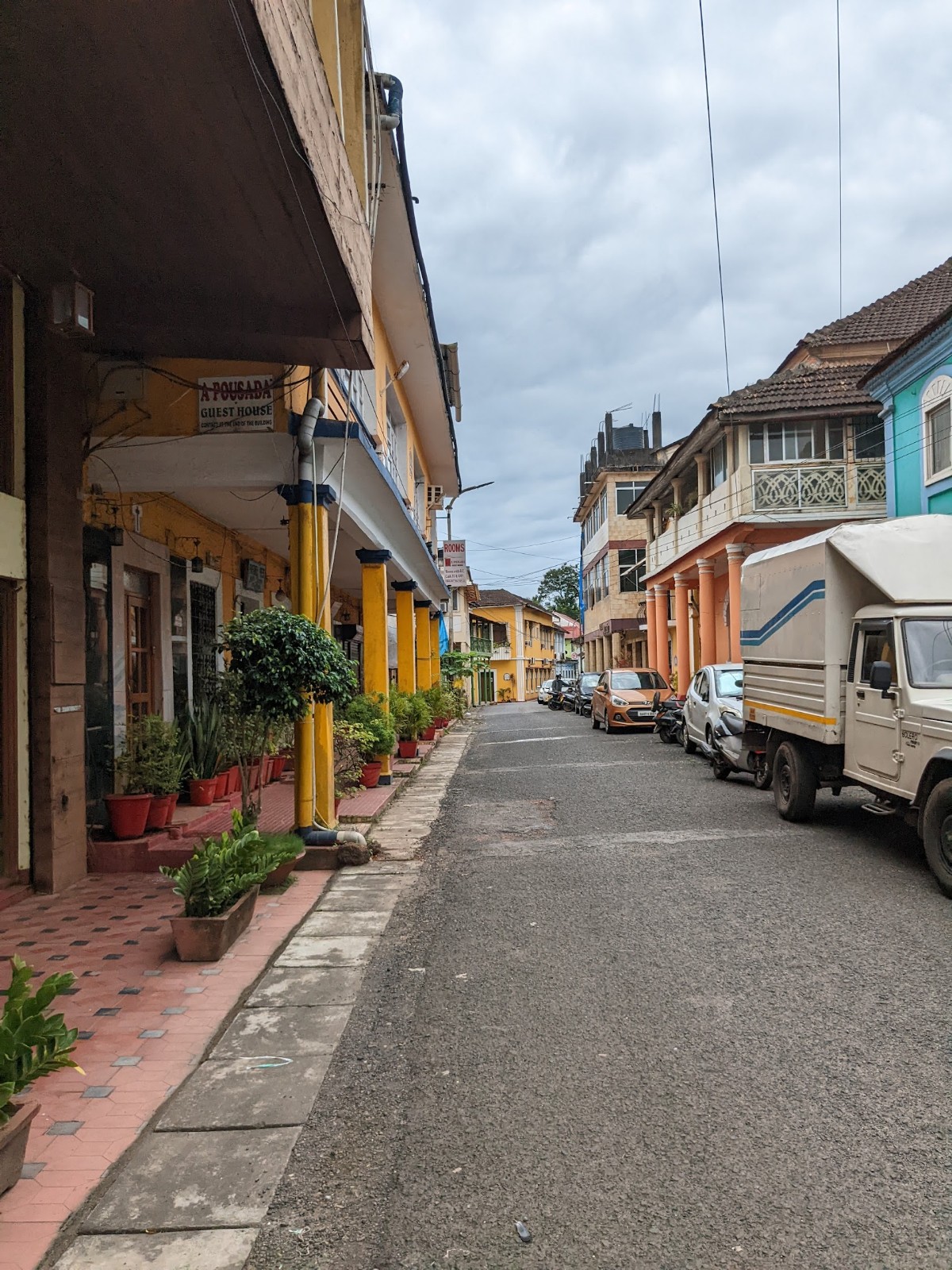
The Local Food
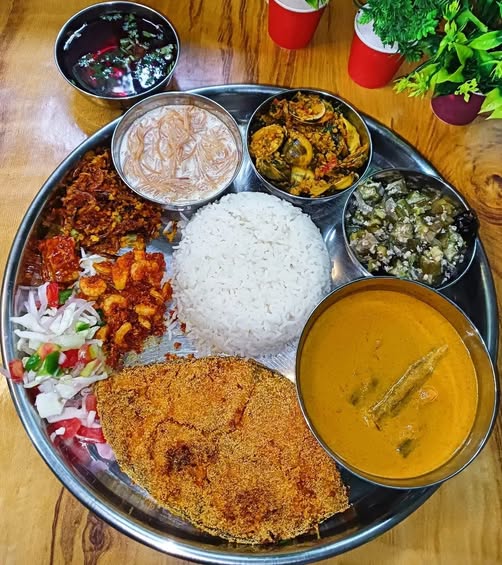
Goan food is a delicious, spicy marriage of local coastal flavors and Western Portuguese cooking secrets. The absolute essentials of any Goan kitchen are fresh seafood, grated coconut, sharp palm vinegar, and bright red chillies.
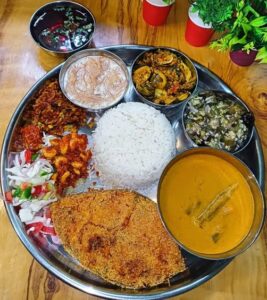
- Goan Hindu Cuisine: This style focuses heavily on fresh fish, thick coconut gravies, and seasonal garden vegetables. Instead of vinegar, cooks use a local dried fruit called kokum to add a pleasant, tart sourness to dishes. The ultimate daily meal for almost every family is Xit-Kodi-Numan (Rice, Fish Curry, and fried fish).
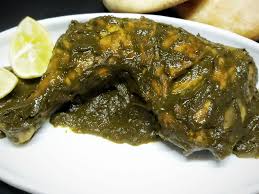
- Goan Catholic Cuisine: This style is famous for using home-brewed coconut palm vinegar, which gives the food a sharp, tangy, and fiery taste. Famous dishes include Vindaloo (which comes from an old Portuguese garlic and wine dish), Sorpotel (a rich, slow-cooked spicy meat dish), and Cafreal (a bright green, spice-marinated chicken dish brought to Goa via historic military links with East Africa).
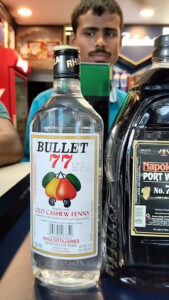
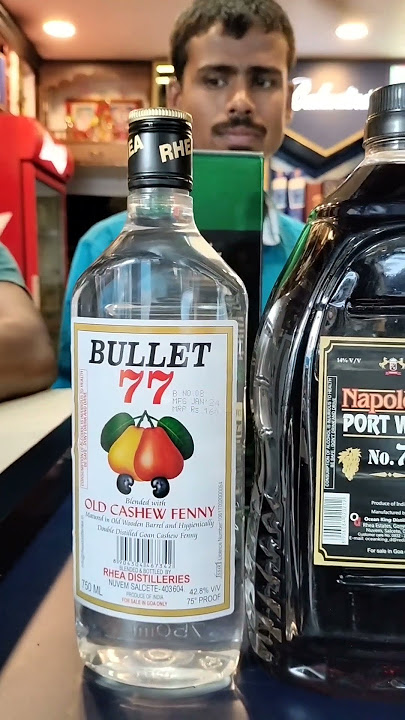
No talk about Goan food is complete without mentioning Feni, a strong, traditional spirit brewed exclusively in Goa. It is made either by crushing juicy cashew apples or by collecting the sweet sap from the tops of coconut trees. Cashew Feni is so special to the culture that it has been granted a official Geographical Indication (GI) tag, meaning a drink can only legally be called Cashew Feni if it is traditionally handmade right here in the villages of Goa.
Modern Roads and Travel Logistics
Goa features an advanced and well-connected transport network that links its beaches smoothly to its interior villages and neighboring states.
Air, Rail, and Highways
Goa operates a dual-airport system to handle its massive number of visitors:
- Dabolim Airport (GOI): Located in central-south Goa, this established airport operates on a shared military naval base.
- Manohar International Airport (GOX): Located on the high northern plains of Mopa, this is a newly built, ultra-modern airport designed to handle massive global flights, making it easy to reach North Goa.
For trains, the state enjoys two scenic routes: the famous Konkan Railway, which runs along the coast connecting Mumbai to southern India, and the historic South Western Railway, which climbs up through the mountain passes of the Braganza Ghats toward Karnataka. Smooth, wide national highways cross the state, featuring engineering feats like the multi-lane Atal Setu bridge over the Mandovi River and the massive new Zuari Bridge, ensuring quick travel between the north and south districts.
Local Travel: Buses, Pilots, and Ferries
For daily travel within the villages and towns, Goa has a good local transport System
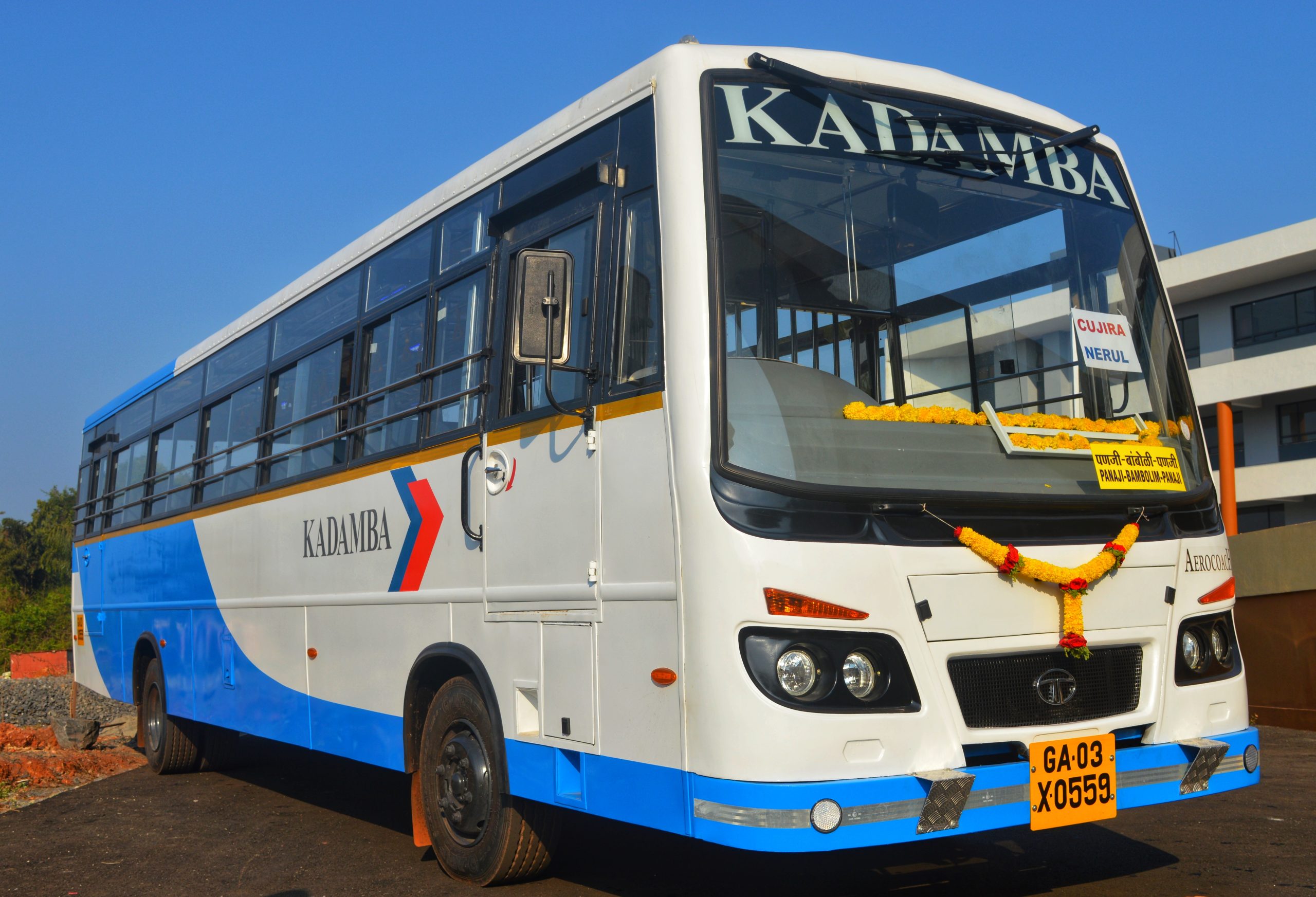
- Bus Transport: Local Private Buses and Government Kadamba Bus Service form the primary collective transport backbone across the state. Operated by the Kadamba Transport Corporation Limited (KTCL), the state-run public transport infrastructure
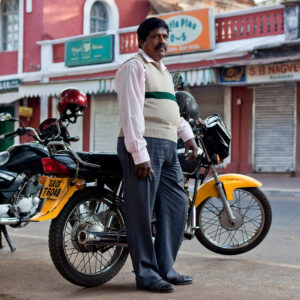
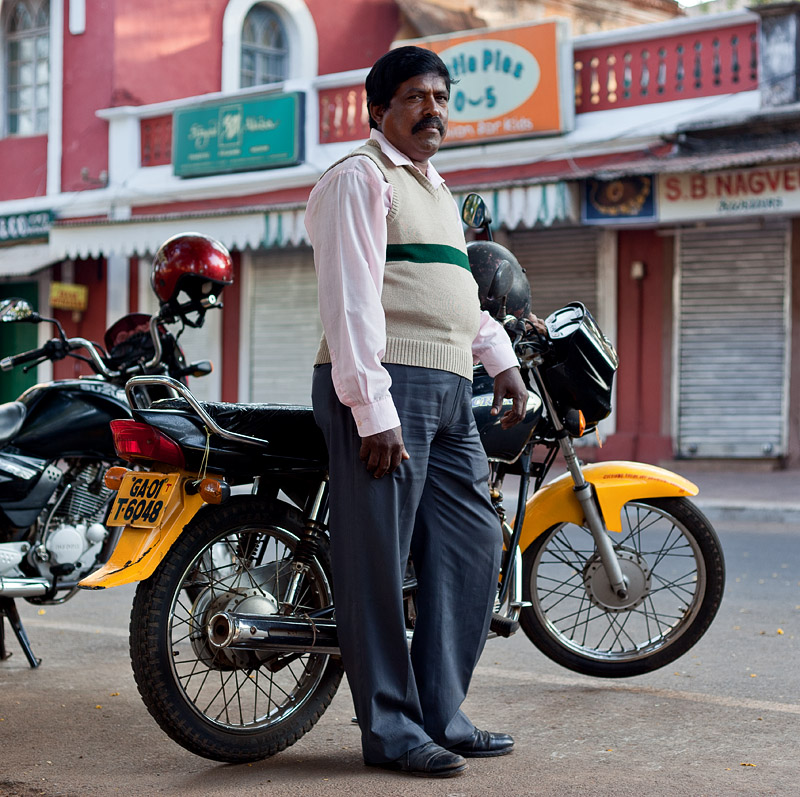
- Motorcycle Taxis (Pilots): Goa is one of the few places where you can legally hire a licensed motorcycle rider to take you somewhere as a passenger. Known locally as “Pilots,” these riders wear distinct jackets and offer an affordable, fast, and agile way to zip through narrow village lanes and avoid traffic.
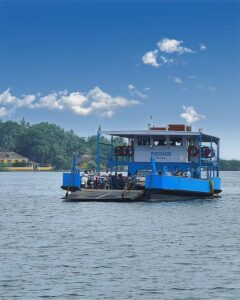
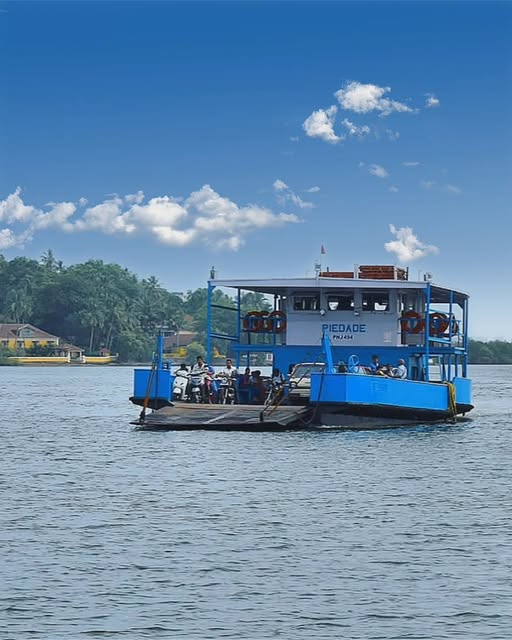
- River Ferry Boats: Run by the state government, these large, flat-bottomed metal boats carry passengers, scooters, and cars across wide rivers for free or a very small fee. They preserve an old-world way of travel and remain an essential daily link for families living on river islands like Divar and Chorao.

Media and Communication Networks
Alongside its physical roads, Goa is tied together by a highly modern network of media and digital communication. The history of the Goan press is unique; the state is home to O Heraldo, which was established in 1900 as India’s very first Portuguese-language daily newspaper and survives today as a popular English daily. Today, Goa reads a vibrant mix of daily newspapers printed in English, Marathi, and the native Konkani language (using the Devanagari script).
For entertainment and news broadcasts, television and radio play a vital role. The national broadcaster, Doordarshan, provides free over-the-air television channels, while a massive network of digital cable and Direct-to-Home (DTH) satellite systems brings global television networks into almost every household, from urban apartments to distant forest villages. Radio remains highly popular across Goa’s travel routes; the government-run All India Radio operates AM and FM channels—including the famous FM Rainbow station broadcasting in Konkani and English—alongside several high-energy private FM radio stations.
In terms of digital telecommunications, Goa enjoys some of the highest mobile phone and internet usage rates in India. Major cellular service providers cover the state with high-speed 4G and 5G networks, ensuring that even remote eco-tourism spots in the Western Ghats stay connected. This strong digital infrastructure of mobile internet and high-speed fiber-optic lines supports Goa’s growing tech workforce, local businesses, and students across the state.
The Media Battle Before Goa’s Opinion Poll video is highly relevant because it explains the historical role of local newspapers in shaping public opinion during a critical moment in Goa’s political history.