
Cabo de Rama Beach: The Ultimate Guide to South Goa’s Wild Coconut Grove Sanctuary
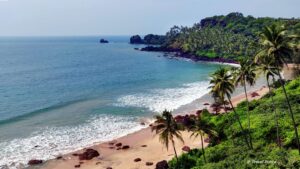
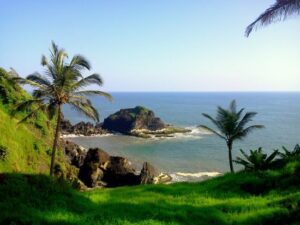
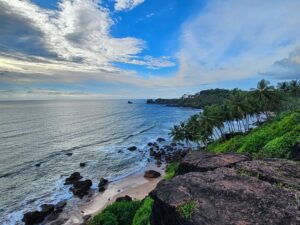
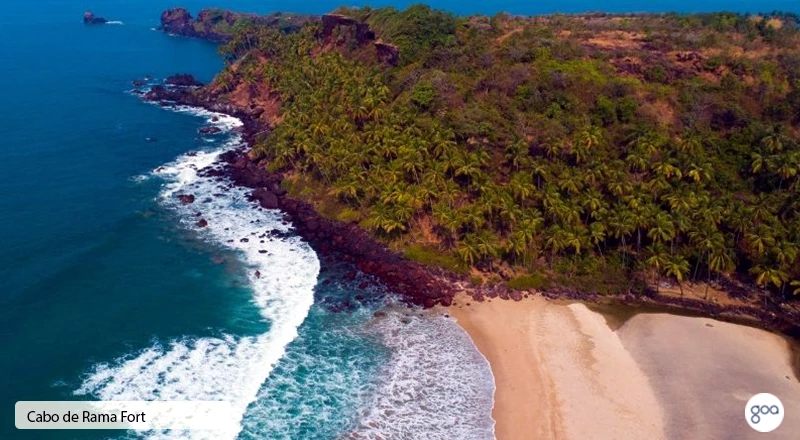
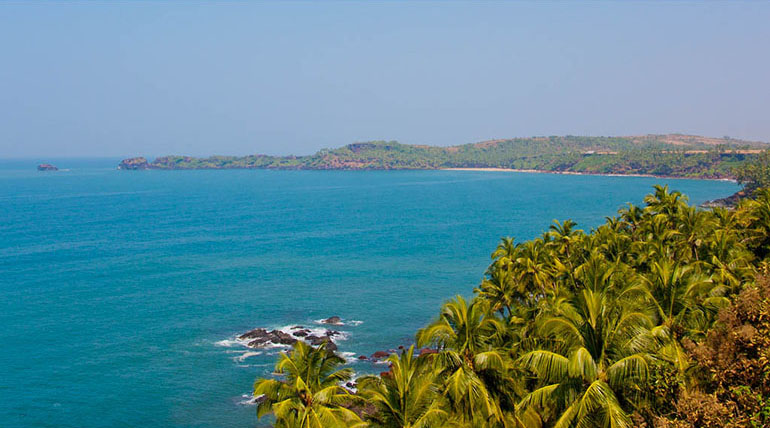
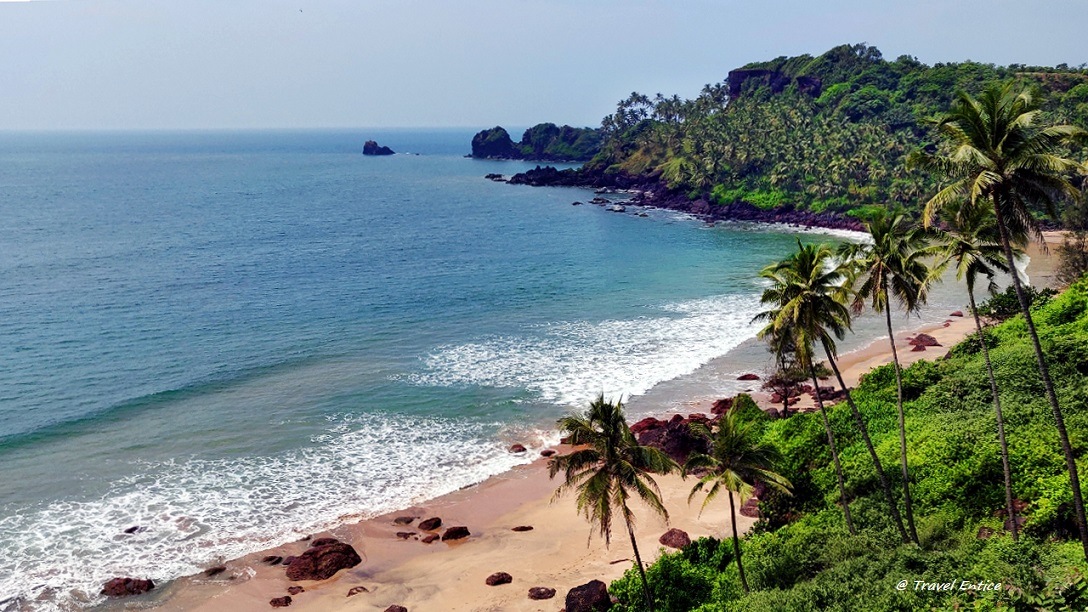
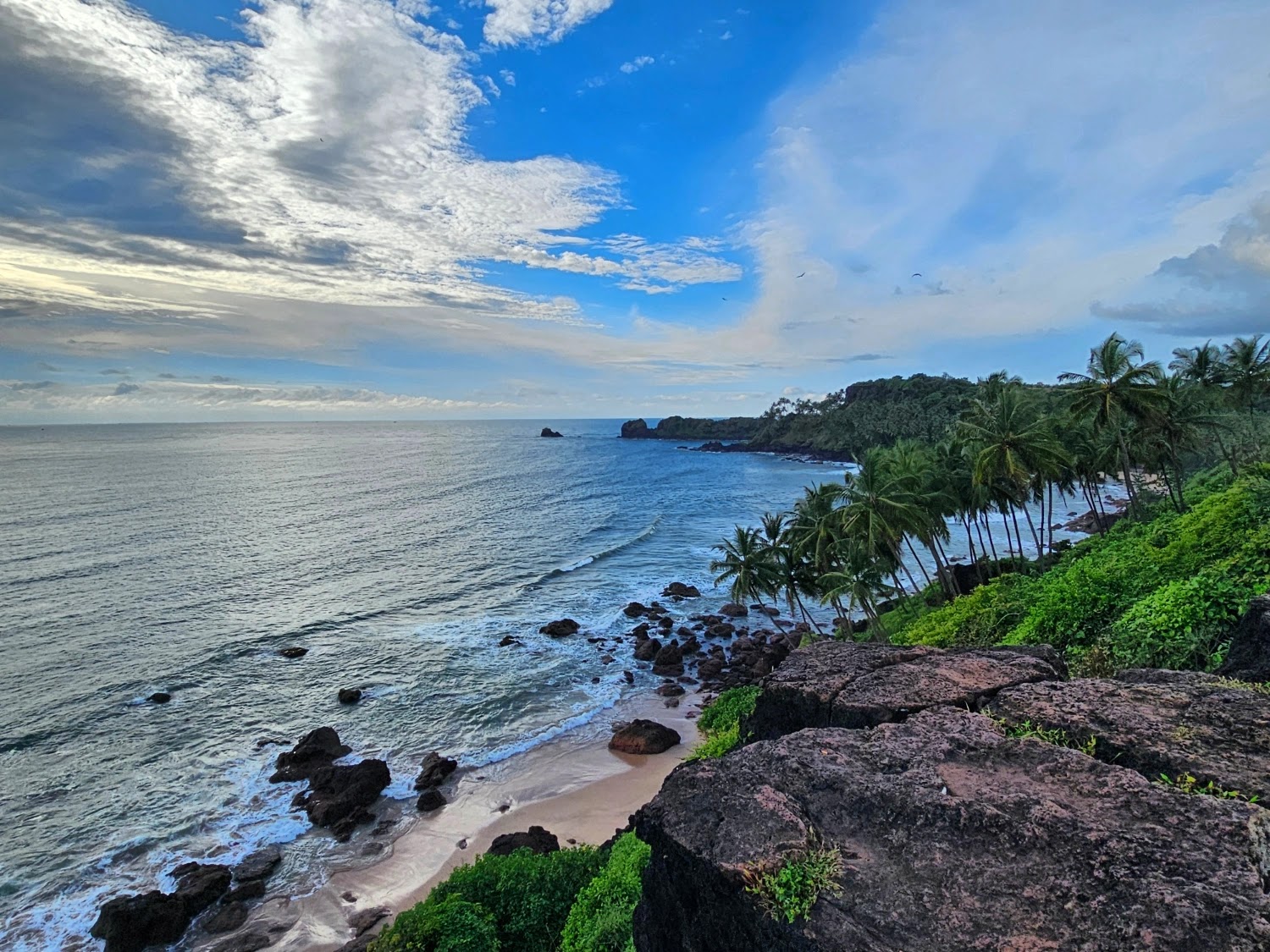
Cabo de Rama Beach, operating under the shadow of the colossal fort that shares its name, is arguably the most visually poetic and historically charged beach in South Goa. While most travelers view the region strictly from the ramparts of the fort above, those who venture down to the shoreline discover a wild, dramatic cove dominated by a massive grove of leaning coconut palms, steep laterite cliffs, and a striking mix of fine sand, a hidden backwater river, and dark volcanic boulders.
Geographically positioned in the Canacona taluka, Cabo de Rama Beach sits roughly 58 km from Panaji and 26 km south of Madgaon (Margao). Because it requires a deliberate trek away from the standard coastal highway, it has fiercely maintained its identity as a raw, non-commercial sanctuary that feels closer to an untouched tropical island than a modern tourist hub.
How to Reach Cabo de Rama Beach

Reaching Cabo de Rama Beach is fairly straightforward on the main roads, but getting your feet onto the actual sand requires a short, muscle-activating descent.
By Two-Wheeler or Car
The drive to the peninsula via the coastal roads from Margao or Agonda is incredibly scenic, cutting through sleepy Goan villages and dense greenery.
- The Route: Navigate toward the prominent landmarks of the Cabo de Rama Peninsula. Rather than parking at the main fort gates, you will head slightly north toward the cliffs immediately preceding the fortress entryway.
- Parking: There is a dusty, unpaved clearing near the cliff edge that acts as a makeshift parking zone. Two-wheelers have no trouble here; cars and SUVs can park comfortably, but drivers should watch out for sharp rocks and uneven terrain at the cliff edge.
The Footpath Journey
To reach the shoreline, visitors must descend a winding, rustic dirt and stone path that cuts directly through the jungle brush down the valley wall. The trail takes roughly 10 minutes to walk. While it is not as aggressively steep as the staircase at Kakolem, it features loose gravel and exposed tree roots, making grippy footwear a wise choice over flimsy slippers.
What to Do at Cabo de Rama Beach
Cabo de Rama shifts the focus away from loud commercial recreation toward high-aesthetic coastal exploration and low-impact water sports.
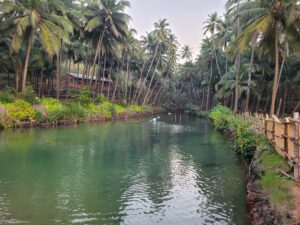
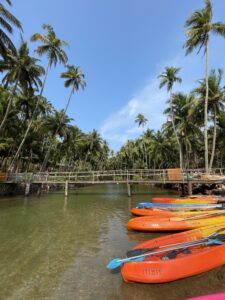
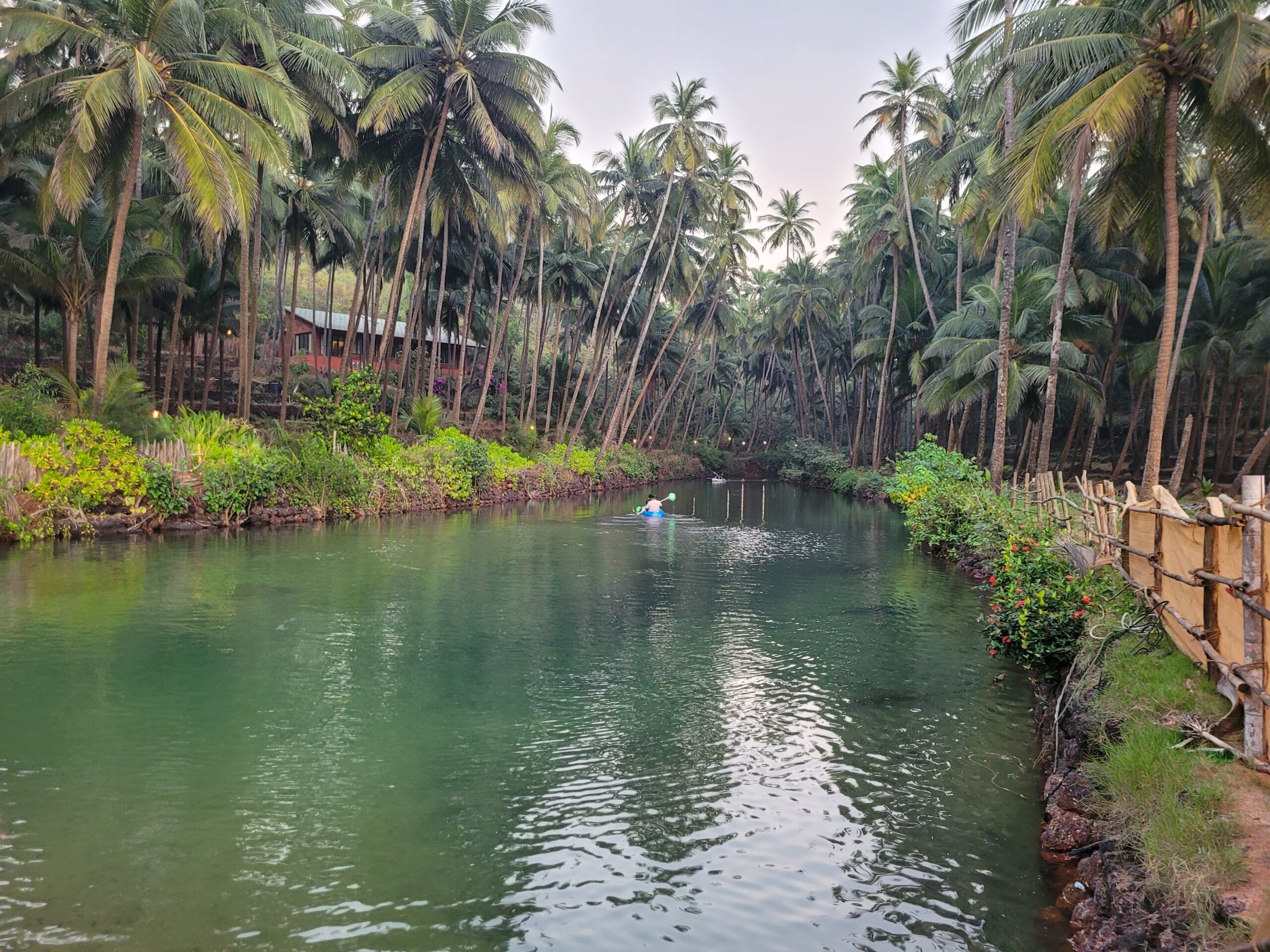
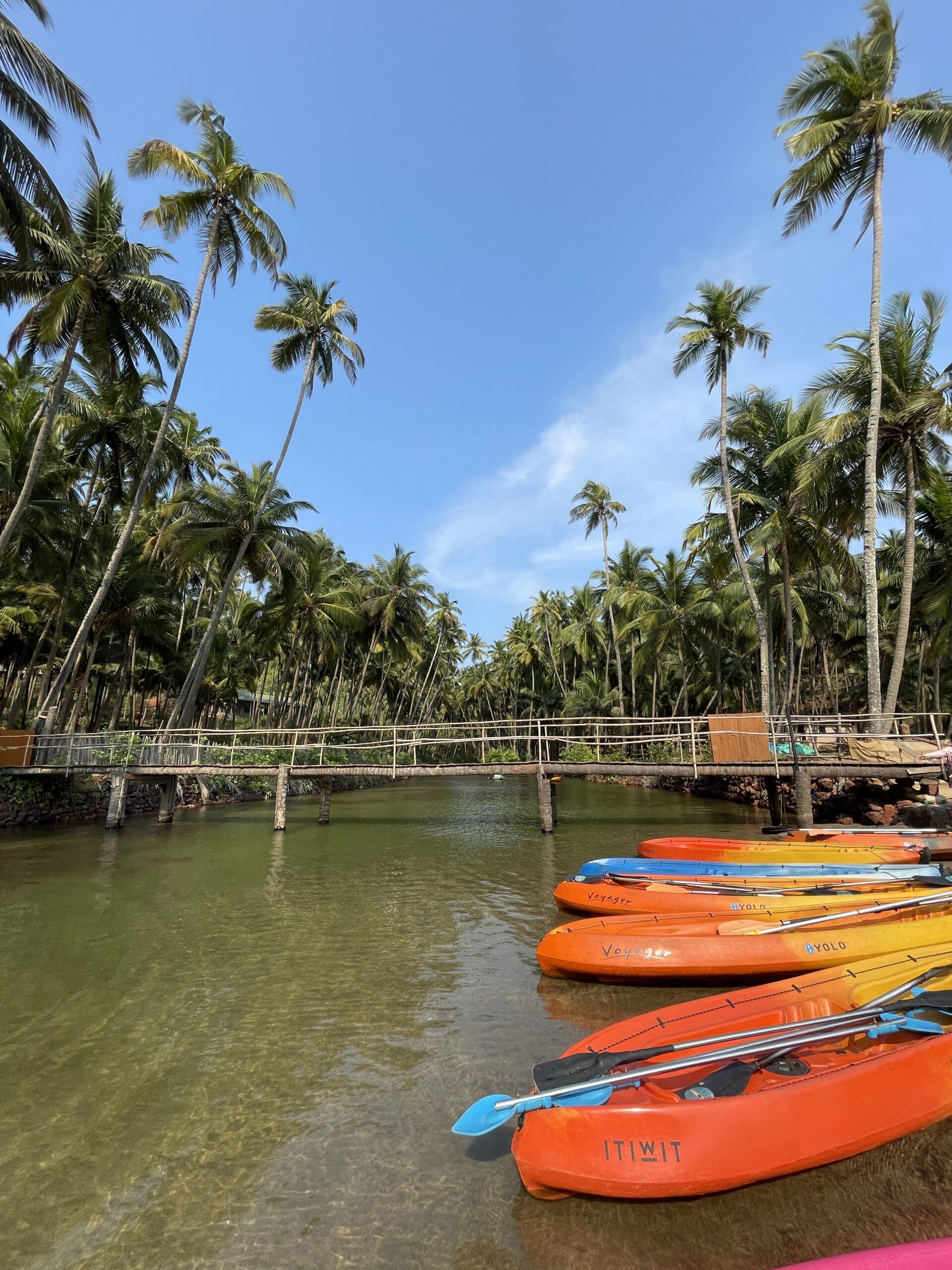
- Backwater & Sea Kayaking: The absolute premier adventure here is kayaking. Near the main beach approach, a tranquil, palm-fringed backwater lagoon connects seamlessly to the ocean. Beginners can rent brightly colored sit-on-top kayaks to lazily paddle through the calm, mirrored waters of the creek. For more experienced paddlers, local operators allow you to launch straight off the shore bar into the open Arabian Sea, letting you paddle right under the dramatic, towering walls of the historic fort.
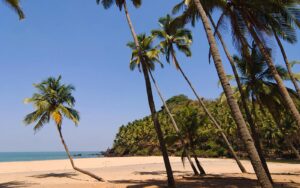
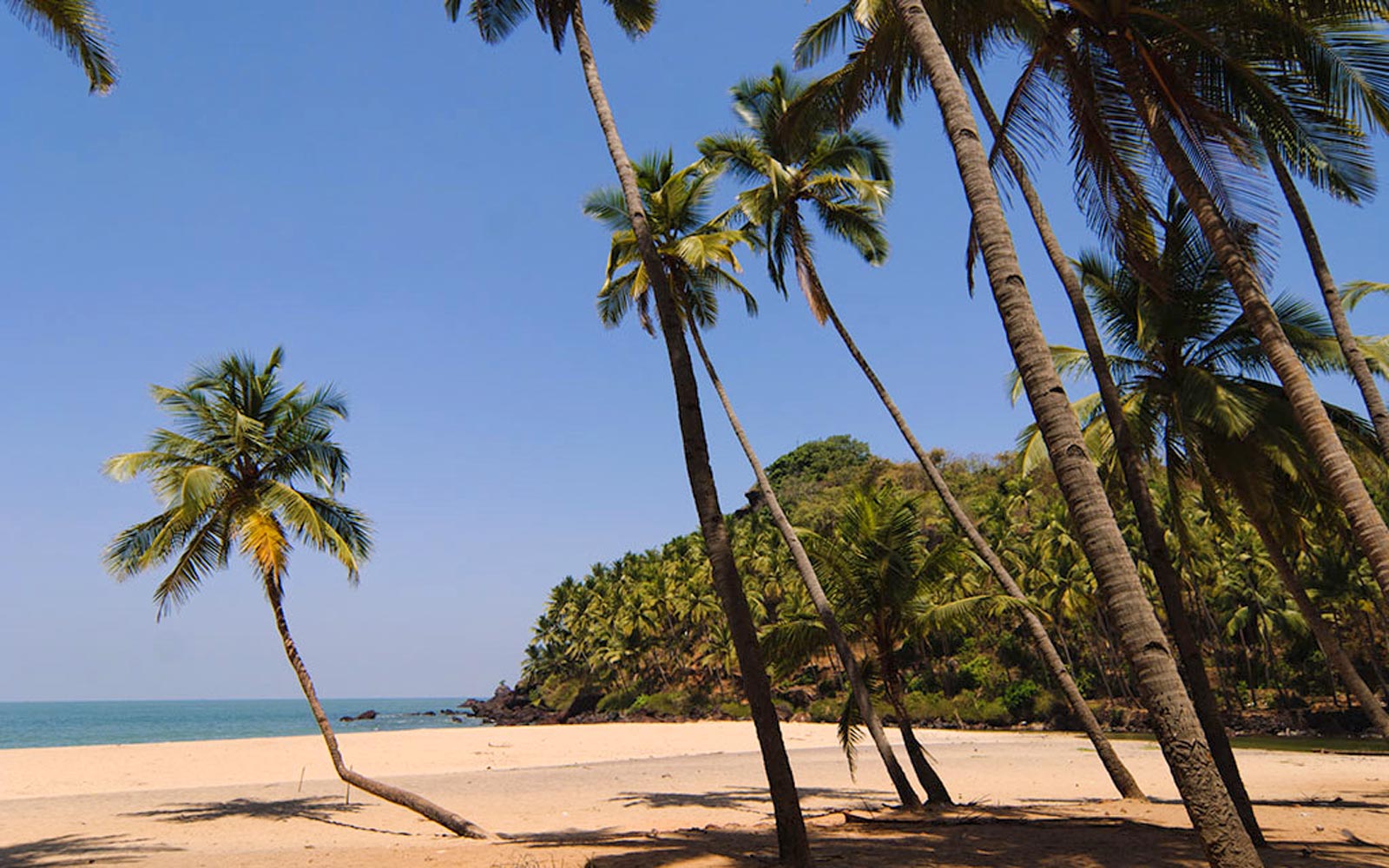
- The Leaning Palm Grove: The absolute visual hallmark of this beach is the dense grove of coconut trees that grow almost horizontally toward the ocean waves. It is an iconic setup that provides natural canopy shade and serves as a premier backdrop for travel bloggers and portrait photographers.
- Stream Splashing & Tide-Pooling: A small, clean freshwater stream runs from the cliffside hills down into the northern end of the beach, creating a calm, brackish pool ideal for washing off saltwater. At low tide, the sprawling volcanic rock formations at either end of the bay reveal deep rock pools teeming with local marine life.
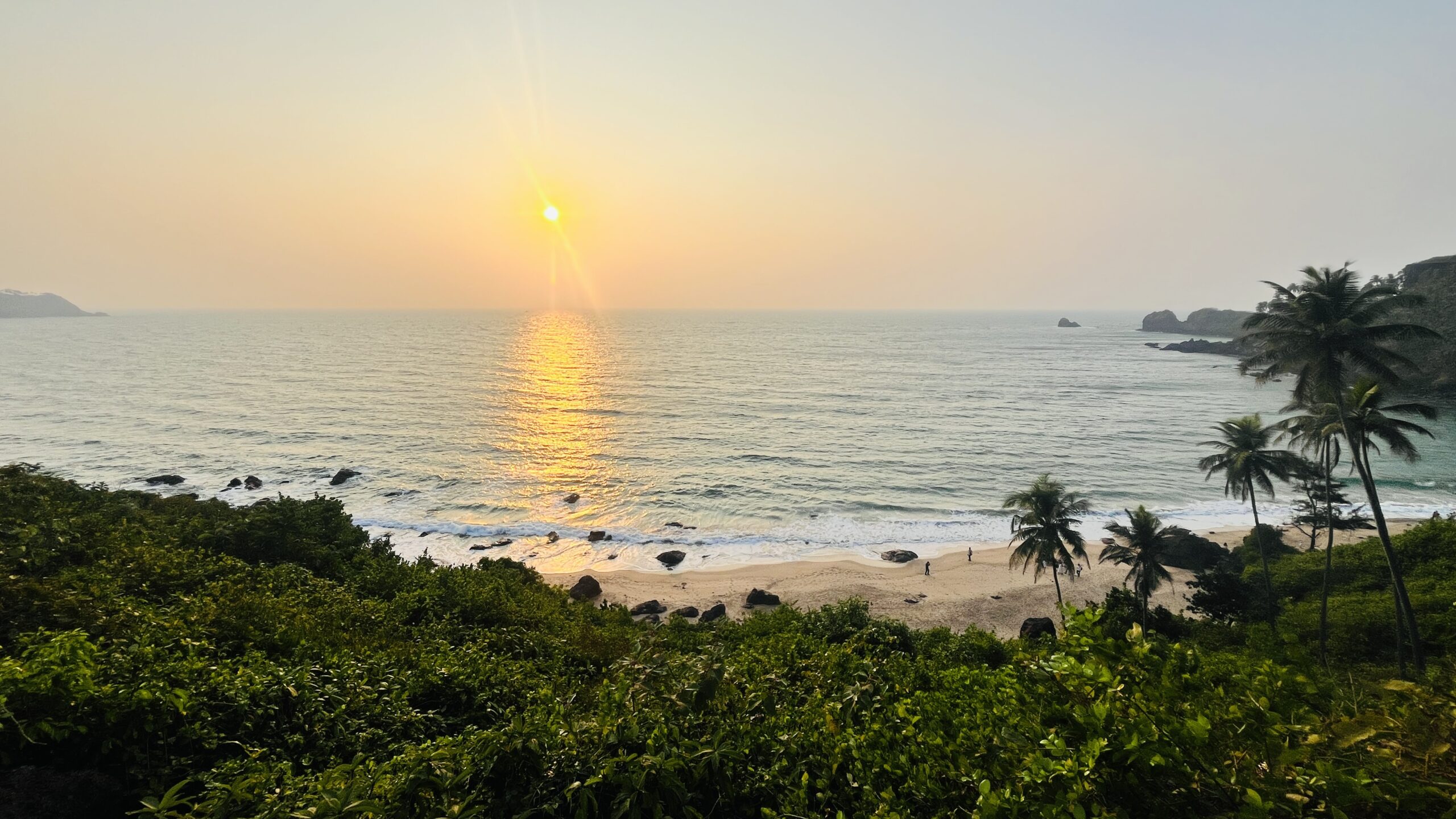
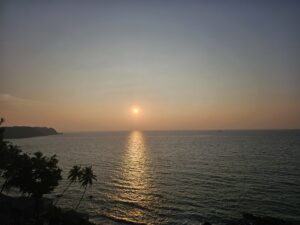
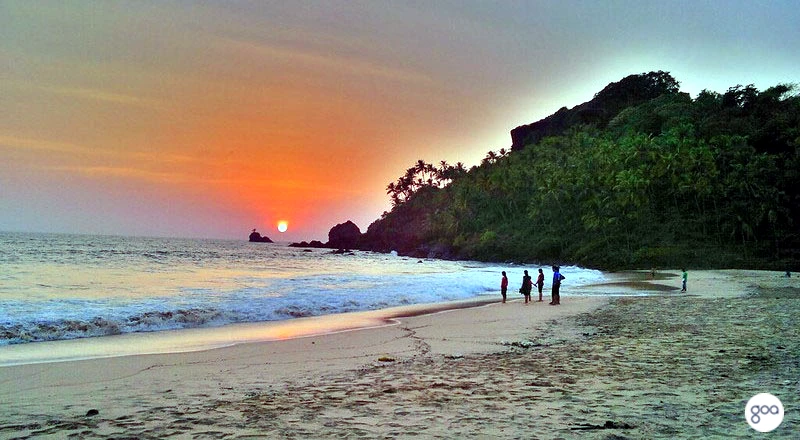
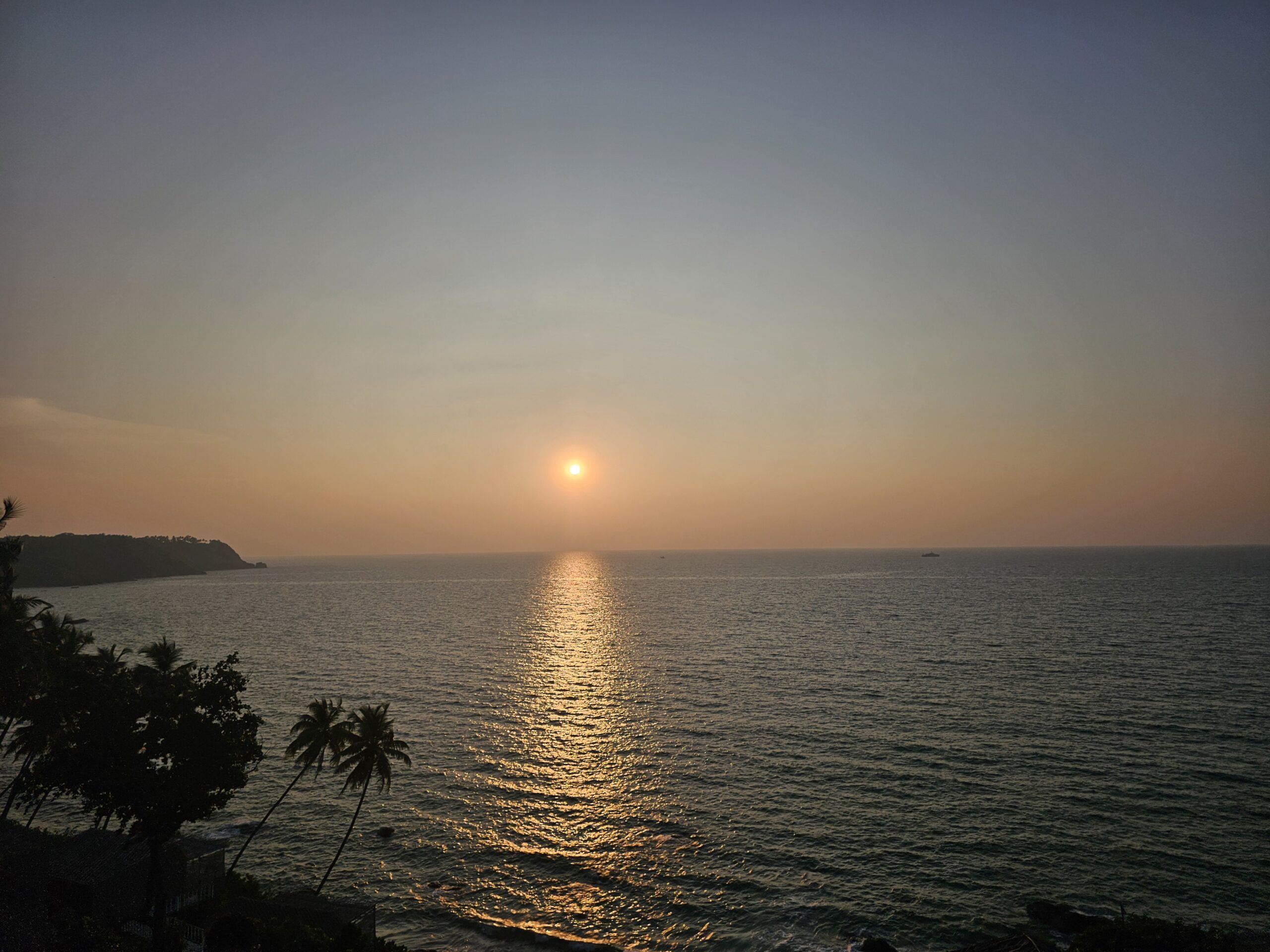
- Dramatic Sunset Watching: Facing directly west, the beach catches uninterrupted views of the sun dropping straight into the Arabian Sea. The contrast of the orange sky against the dark laterite cliffs of the fort creates a highly dramatic golden hour.
Food and Accommodation
The infrastructure down on the sand stays strictly minimalist, ensuring the beach preserves its “marooned in paradise” atmosphere.
Accommodation
You will not find rows of luxury beachfront concrete hotels or crowded party resorts directly on the sand. For cliffside luxury overlooking the entire bay, boutique properties like The Cape Goa provide premium cottages with private outdoor plunge pools. For budget-friendly eco-stays, travelers look to the rustic huts dotting the cliff paths or head down the road to the eco-resorts surrounding Cola Beach.
Dining
The dining ecosystem is split between the cliff tops and the beach. A couple of highly temporary, seasonal shacks operate on the sand during peak winter months, serving basic fried fish, cold beers, and fresh juices. For a more robust culinary setup, visitors trek back up the path to the cliff edge, where local stalls cook up traditional Goan fish thalis. For upscale dining, The Cape Goa Restaurant offers a stunning cliff-hanging deck serving top-tier Mediterranean and local Goan seafood paired with cocktails.
Nearby Attractions
Because of its strategic location on the southern peninsula, a trip to Cabo de Rama Beach seamlessly pairs with these major local landmarks:
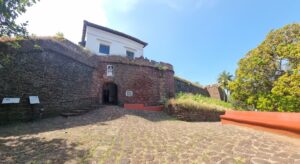
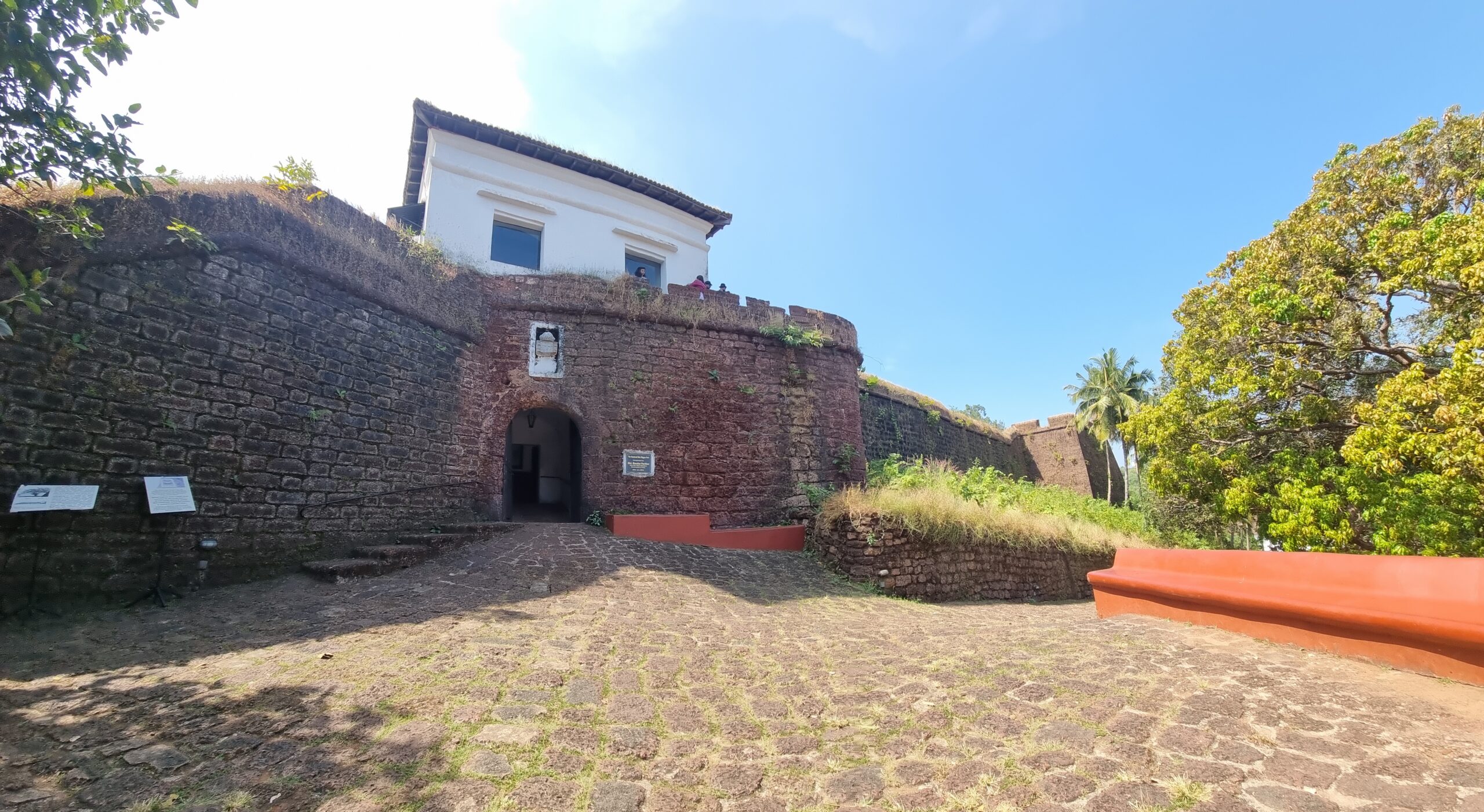
- Cabo de Rama Fort: The historic 18th-century Portuguese fortress sitting directly on the cliffside plateau above the beach, offering sprawling panoramic views and a charming white chapel.
- Pebble Beach (Pebbles Beach 1): The unique, sand-free shoreline covered entirely in wave-polished stones, located just a short distance around the northern cliff face.
- Nuvem Waterfall: A seasonal, hidden jungle waterfall located inland within the Canacona hills, perfect for a refreshing dip during the monsoon transitions.
Important Information for Travelers
Cabo de Rama is a semi-wild environment that demands a practical approach to safety and conservation.
Safety Warning: The ocean floor here has a rapid drop-off with powerful undertows and hidden rock ledges beneath the surf. Coupled with the complete lack of a permanent lifeguard patrol, swimming far out into the open sea is dangerous. Visitors should enjoy wading in the shallows, paddling inside the backwater lagoon, or sticking to the safe freshwater stream pool at the back of the sand.
- Pack It Out Mandate: The beach is a protected eco-zone, and there are no municipal trash collection services down in the valley. Visitors are legally and ethically required to collect and carry all plastic bottles, wrappers, and garbage back up to the mainland containers.
- Fluctuating Connectivity: Mobile signals (including 5G networks) become incredibly weak or completely cut out once you drop below the high cliff line. Coordinate any pre-arranged taxi or transport pickups before making the descent.
- Cash Essential: Because network connectivity frequently drops out at the base of the cliffs, digital payment scanners and UPI networks routinely fail. Ensure you carry sufficient physical cash for parking fees, kayak rentals, beach shacks, and local transport.
Image gallery of Cabo De Rama Beach
Frequently Asked Question (FAQ)
What is the history behind the name “Cabo de Rama”?
The beach and fort are named after Lord Rama from the Hindu epic Ramayana. Local lore suggests that during his 14-year exile, Rama, along with his wife Sita and brother Lakshmana, took shelter within the caves and cliffs of this exact peninsula. The Portuguese later built Cabo de Rama Fort over the existing ancient structures in 1763.
How much does kayaking cost at Cabo de Rama Beach?
In 2026, kayak rentals at Cabo de Rama typically cost between ₹250 and ₹500 per hour. Single kayaks are the most budget-friendly, while double-occupancy kayaks cost around ₹400 to ₹500. Standard life jackets are provided by the local operators on the sand, and prices can occasionally be negotiated during the shoulder seasons.
Is Cabo de Rama Beach safe for families and children?
The walk down the unpaved jungle track is manageable for most families if taken slowly, but it is not stroller-friendly. While children will love playing under the shade of the palm groves, kayaking in the backwater creek, and splashing in the calm freshwater stream pool, they must be kept strictly away from the rough ocean shore-breaks.
Are there public washrooms or changing rooms on the beach?
No standalone public restrooms or changing facilities exist down on the sand. Basic facilities are limited to the seasonal beach shacks for dining customers, or the established restaurants and cafes operating up at the main cliff level.
How far is Cabo de Rama Beach from the Madgaon Railway Station?
The beach is roughly 26 km from Madgaon (Margao) Railway Station. A pre-paid taxi or a rented two-wheeler from the station will take approximately 45 to 50 minutes to reach the cliff parking area via the southern coastal highway.