
Agonda Beach: The Ultimate Guide to South Goa’s Premier Eco-Silent Retreat
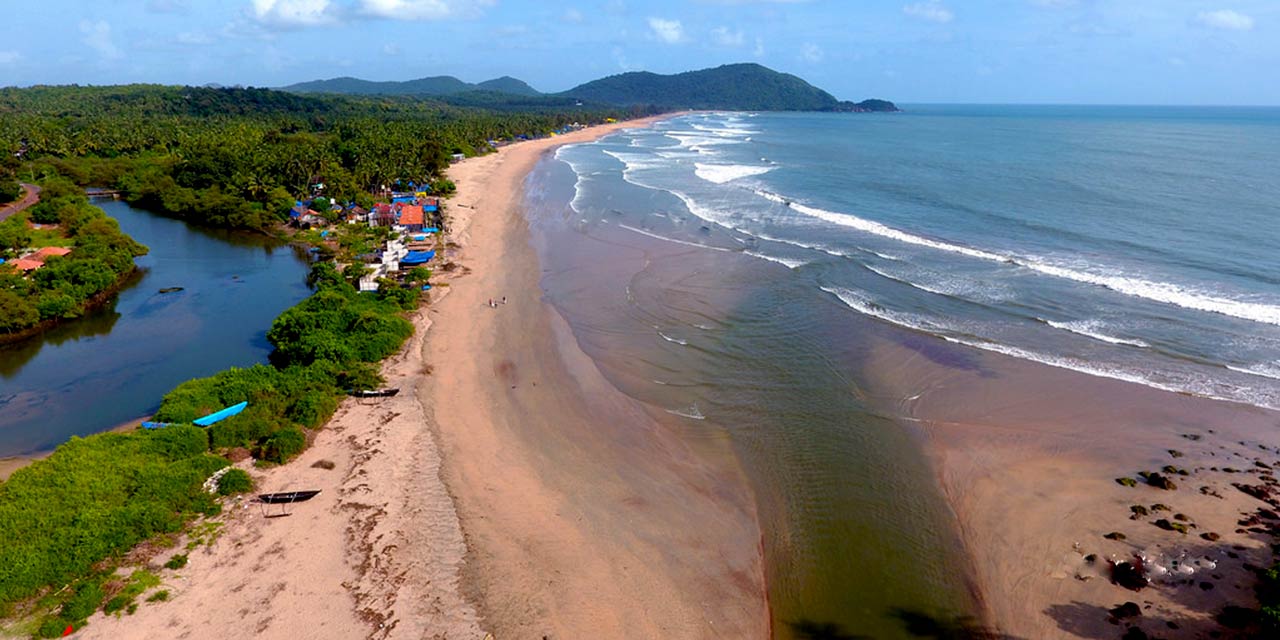
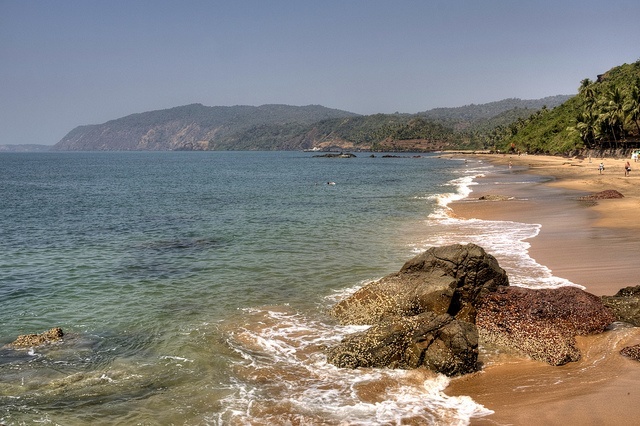
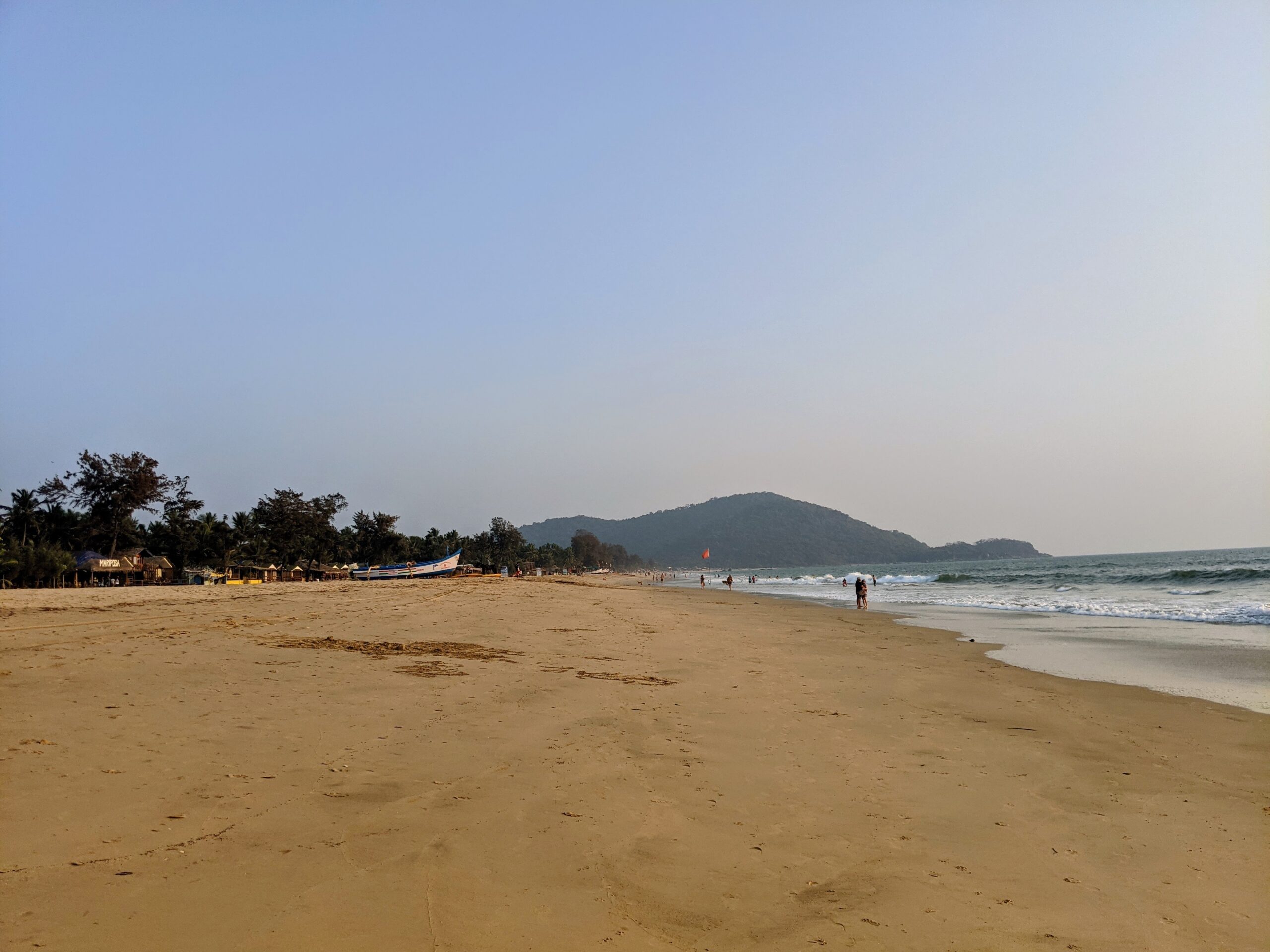
Agonda Beach, located in the Canacona taluka, is widely recognized as one of the most pristine and well-managed coastal stretches in India. Often topping “Best Beach” lists for its cleanliness and tranquility, it serves as a critical nesting site for the endangered Olive Ridley turtles. Geographically, Agonda is situated approximately 71 km from Panaji and 37 km from Madgaon (Margao). Unlike the social intensity of Palolem or the commercial density of the North, Agonda maintains a strict “silent” character, making it the preferred choice for digital nomads, wellness seekers, and nature enthusiasts.
- How to Reach Agonda Beach
- What to Do at Agonda Beach
- Food and Accommodation
- Nearby Attractions
- Important Information for Travelers
- Image Gallery Of Agonda Beach
- Frequently Asked Questions (FAQ)
- When is the best time to see turtles at Agonda?
- Is Agonda Beach safe for children?
- How far is Agonda from the new Mopa (Manohar) Airport?
- Can I find ATMs and pharmacies in Agonda?
- Is there nightlife in Agonda?
How to Reach Agonda Beach

Agonda is accessible via a scenic drive off the National Highway 66 (NH-66). While public transport exists, taking a Kadamba (KTC) or local bus from Margao to the Agonda junction is not generally recommended for visitors due to infrequent schedules and the long walk from the drop-off point to the shore. A two-wheeler is the absolute best mode of transport to reach Agonda, as it allows you to navigate the long, single beach road that runs parallel to the sand. If driving a car, a compact hatchback is advised; while the main road is paved, parking is largely restricted to private resort spaces and a few small public pockets near the church. For rail travelers, Canacona Railway Station is 9 km away, with auto-rickshaws providing a reliable 15-minute connection.
What to Do at Agonda Beach
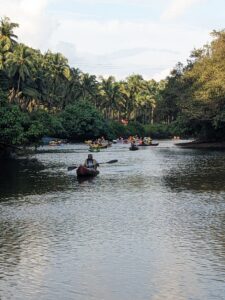
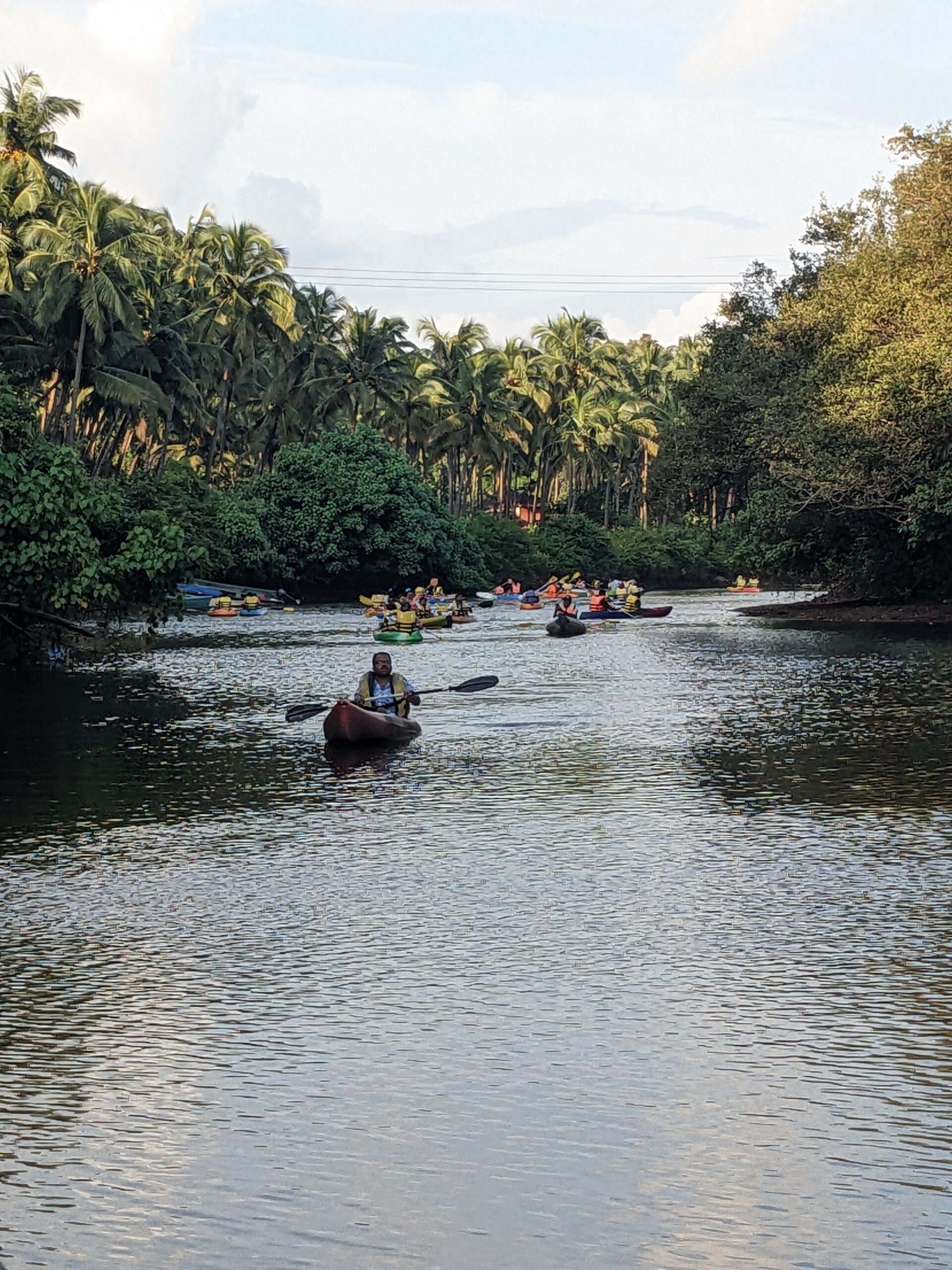
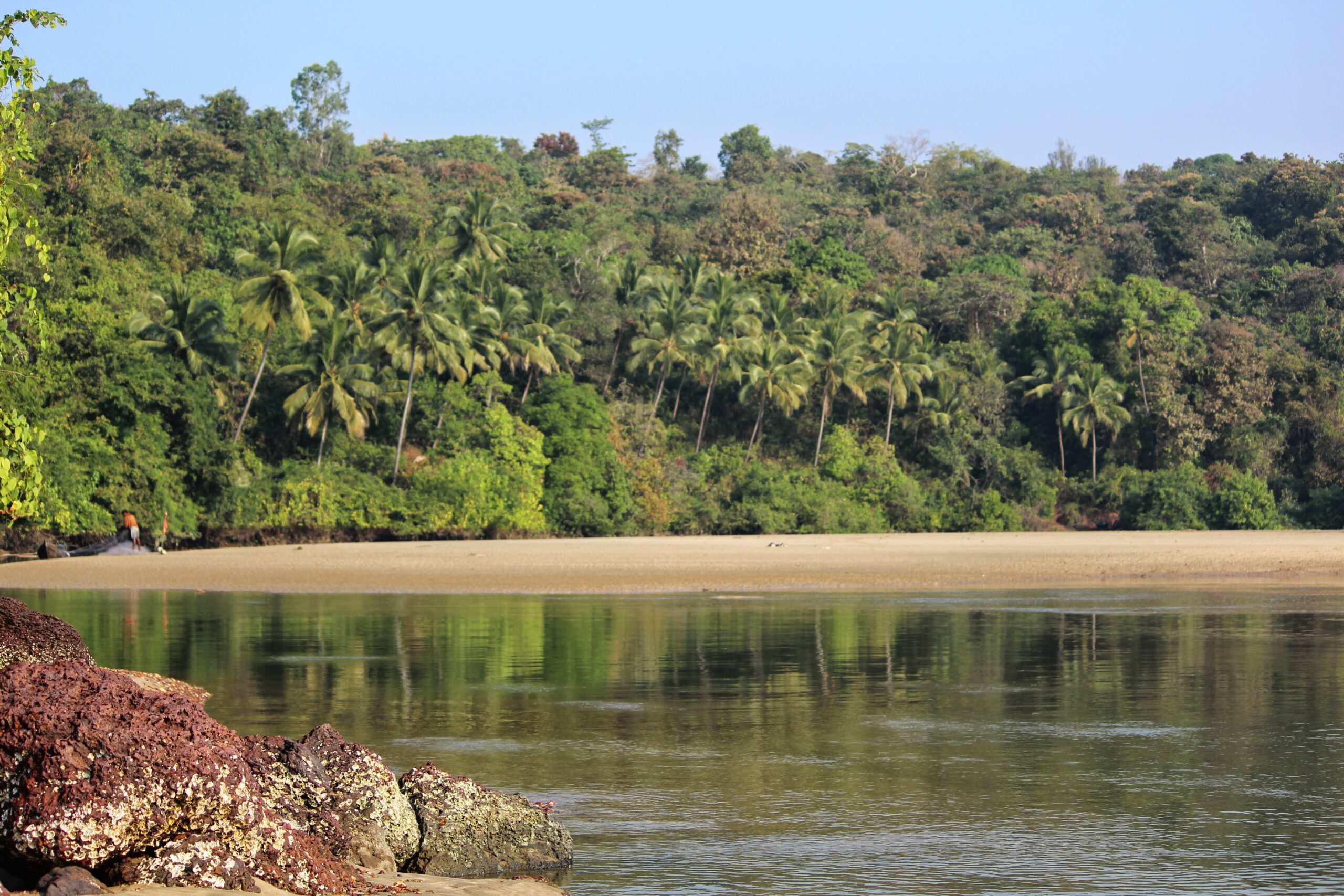
Agonda is a premier destination for “slow travel” and ecological exploration. The standout activity here is backwater kayaking along the quiet Agonda river estuary at the northern end of the beach, where travelers can paddle through serene mangrove forests to spot rare birds and otters. On the main shoreline, the beach is excellent for long walks and meditation, as it is nearly 3 km long and completely free from loud music. The southern headland is a major hub for wellness activities, with multiple centers offering daily drop-in yoga and sound-healing sessions. Furthermore, during the nesting season (November to April), visitors can observe the turtle conservation hatcheries managed by the Forest Department. While the water is beautiful, it is better suited for experienced swimmers due to a relatively strong surf and a sudden shelf drop-off.
Food and Accommodation
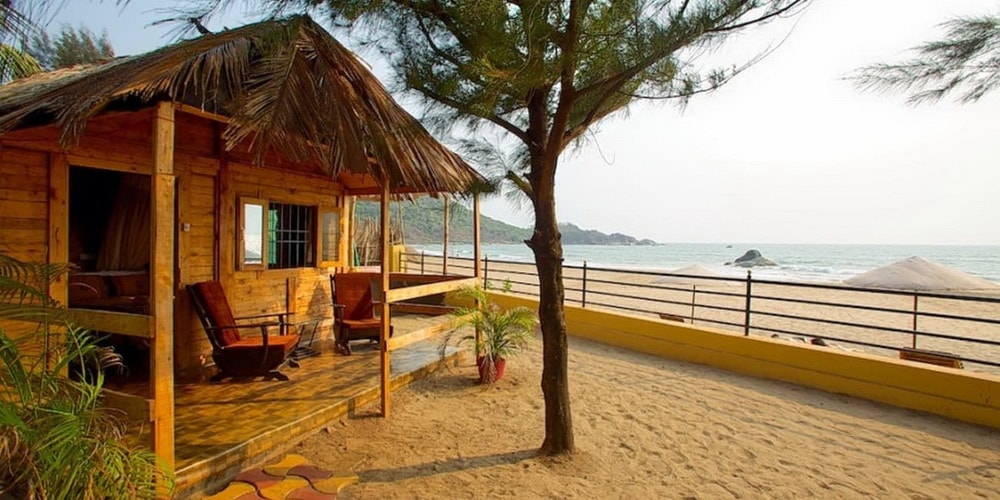
Agonda offers a refined selection of eco-friendly stays and international dining. For accommodation, The Shore Agonda and Simrose are established 2026 favorites, known for their high-quality beachfront huts and sustainable practices. For a more structured resort experience, Rose Goa Beach Resort and Sapphire Sand Resort offer modern amenities just steps from the sand.
The culinary scene is one of the best in South Goa. Kopi Desa is highly recommended for its wood-fired pizzas and vibrant evening atmosphere, while Fatima’s Corner remains a legendary local institution for fresh seafood and affordable Goan thalis. For authentic Italian flavors, La Dolce Vita offers homemade pasta in a romantic, candlelit setting. For those seeking healthy, plant-based options, Zest Vegan and Vegetarian Restaurant is a top-tier choice.
Nearby Attractions
Combine your visit to Agonda Beach with these southern landmarks:
- Cola Beach & Lagoon: A hidden gem 15 minutes north, famous for its freshwater lagoon meeting the sea.
- Cabo de Rama Fort: A historic Portuguese fort with dramatic cliffside views, located a 20-minute drive away.
- Butterfly Beach: Accessible via a scenic boat ride from the Agonda shore.
- Rock Formations: Located at the southern tip of the beach, ideal for quiet sunset photography.
Important Information for Travelers
Agonda is a strictly protected ecological and “silent” zone. It is a strict zero-waste area, and the local community is highly vigilant about plastic use. There is a consistent lifeguard presence along the main stretch, but visitors are urged to obey the red flags, as the currents here can be stronger than in Palolem. Mobile network connectivity (5G) is reliable, though some interior beach huts may experience signal drops due to the thick coconut groves. To protect the turtle nesting process, bright lights and loud music are prohibited on the beach after 10:00 PM, and flash photography near nesting sites is a serious offense.
Image Gallery Of Agonda Beach












Frequently Asked Questions (FAQ)
When is the best time to see turtles at Agonda?
The Olive Ridley nesting season runs from November to April. While sightings of mothers laying eggs are rare and happen at night, you can see the protected enclosures and, if timed right, hatchlings being released by Forest Department officials.
Is Agonda Beach safe for children?
While the beach is clean and spacious, the sea at Agonda has a stronger undertow than Palolem or Patnem. Children should always be supervised and kept within the designated safe-swimming zones patrolled by lifeguards.
How far is Agonda from the new Mopa (Manohar) Airport?
Agonda is approximately 100 km from Mopa Airport. The drive typically takes 2.5 to 3 hours via the NH-66. A pre-paid taxi from the airport is the most convenient option.
Can I find ATMs and pharmacies in Agonda?
There are a few ATMs and small pharmacies along the Agonda Beach Road. However, for more specialized medical needs or larger bank branches, you should head to Chaudi (Canacona), which is 15 minutes away.
Is there nightlife in Agonda?
Agonda’s nightlife is centered around social dining and live acoustic music. It does not have loud clubs or late-night raves. For a more energetic scene, travelers usually take a short taxi ride to Palolem.