
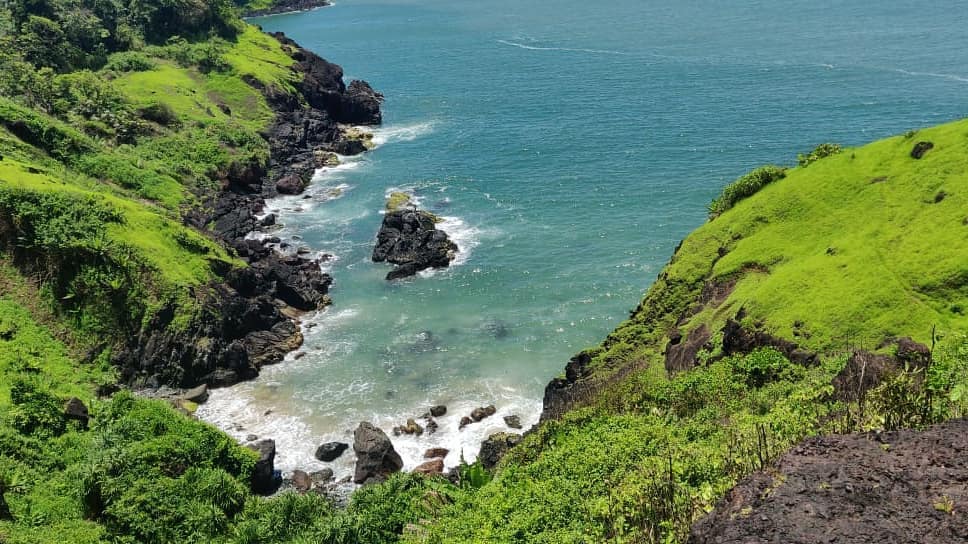
Tolivia Beach: The Ultimate Guide to Goa’s Wildest Coastal Frontier
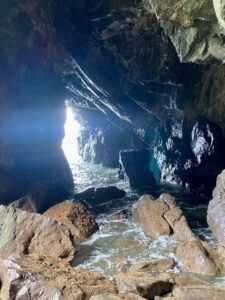
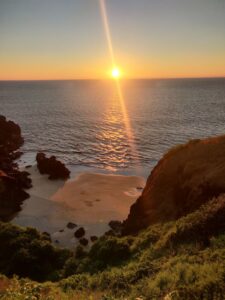
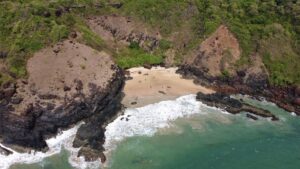
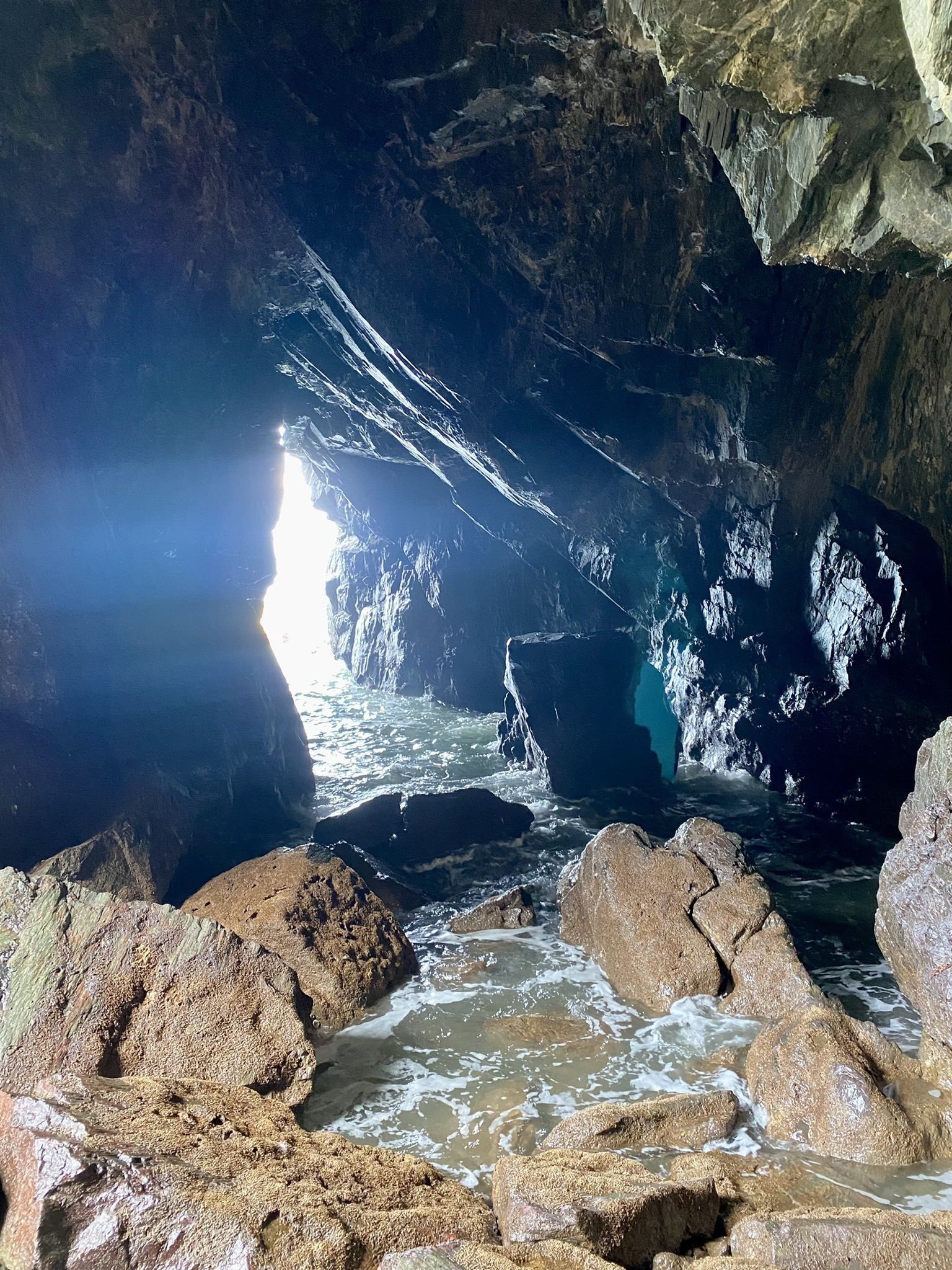
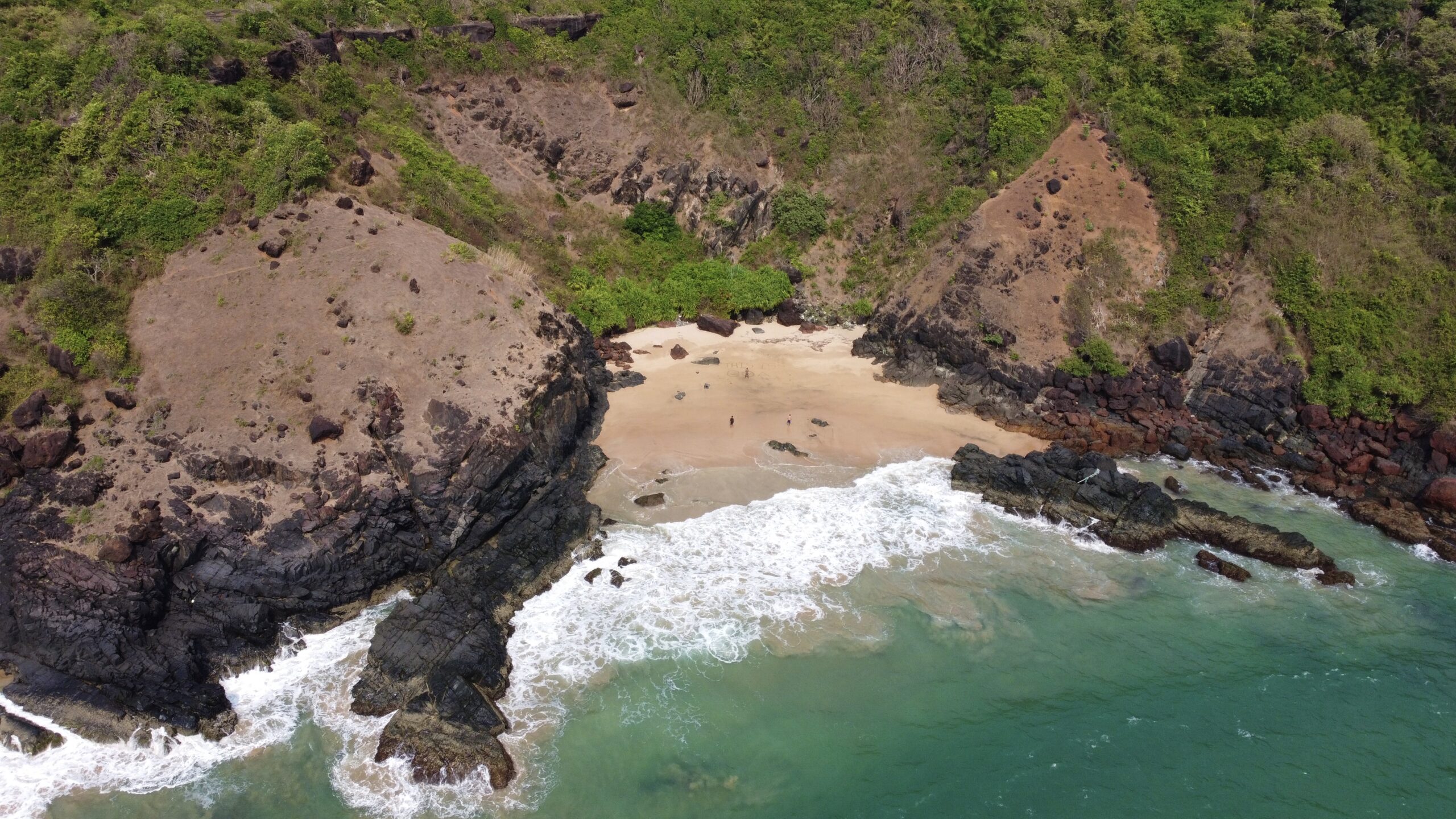
Tolivia Beach, situated in the Loliem-Polem region of Canacona, is arguably the most rugged and untouched coastal stretch in South Goa. It is famous not just for its sand, but for the Cupa Sea Caves, which at approximately 30 meters deep, are among the most significant natural sea caves on India’s west coast. Geographically, Tolivia is located about 98 km from Panaji and 62 km from Madgaon (Margao). Because of its extreme southern location and the physical effort required to reach it, it remains a “true secret” known mostly to serious trekkers and local geology enthusiasts.
How to Reach Tolivia Beach
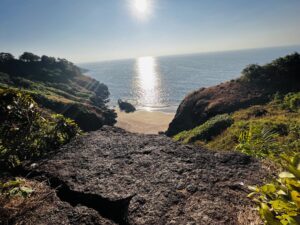
Reaching Tolivia Beach is a significant physical undertaking compared to other Goan beaches. The journey begins along National Highway 66 (NH-66) towards the Karnataka border. While it is possible to reach the area by public transport, taking a Kadamba (KTC) or local bus from Margao to Loliem is not generally recommended for tourists or visitors. Buses are excellent for locals who know the terrain, but for travelers, the long walk from the highway drop-off point to the actual trek starting point can be exhausting. A two-wheeler is the absolute best mode of transport to reach the trekking start point on the Loliem Plateau. If driving a car, use a compact hatchback and park responsibly near the plateau entrance, as there is no dedicated parking. From the plateau, you must embark on a 4–5 km moderate trek across a rugged laterite landscape, followed by a final descent involving scrambling over large boulders.
What to Do at Tolivia Beach
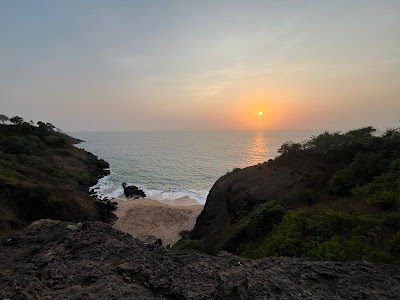
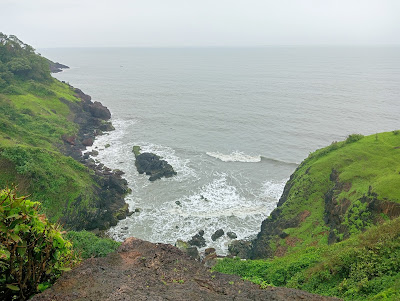
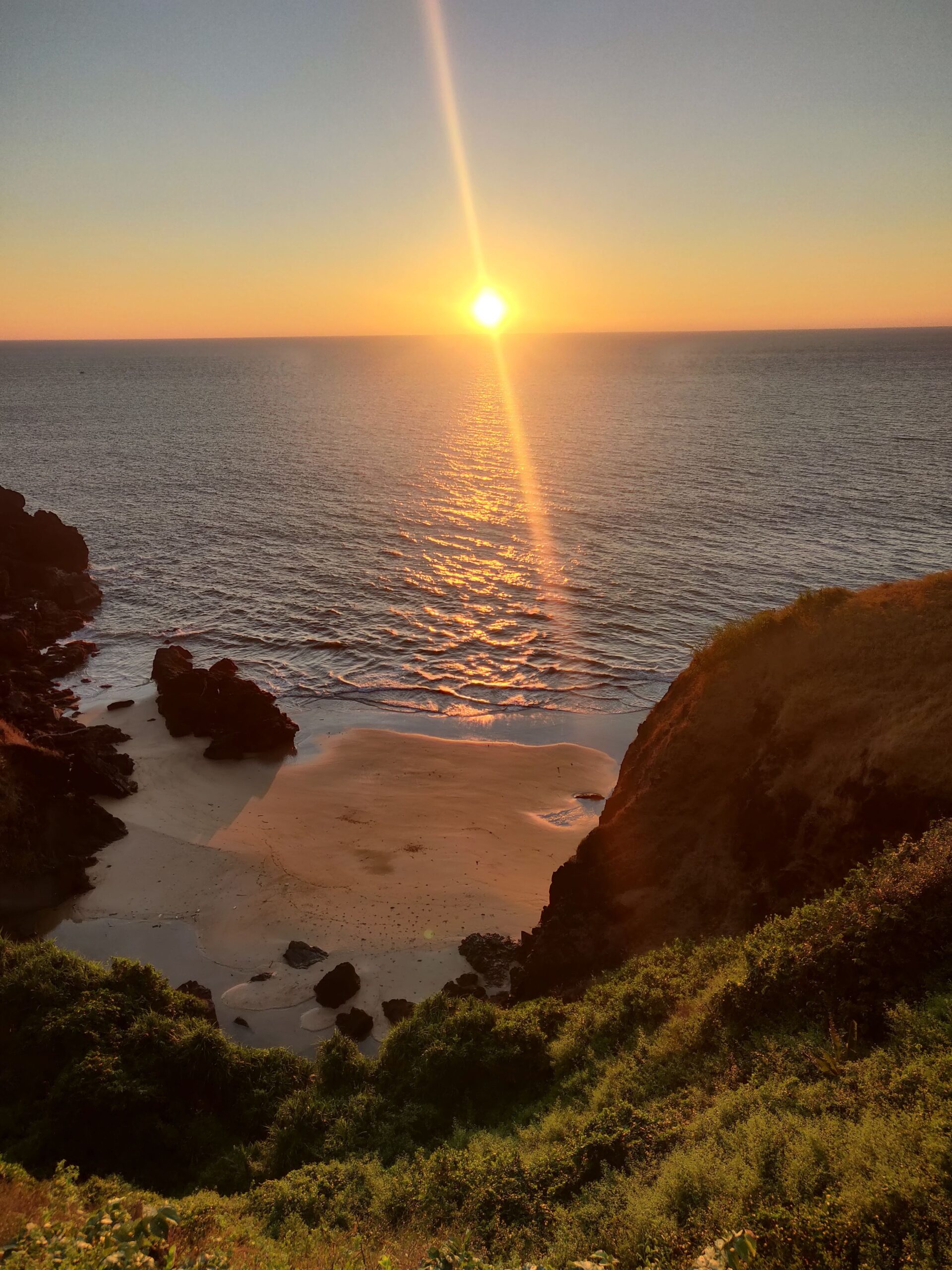
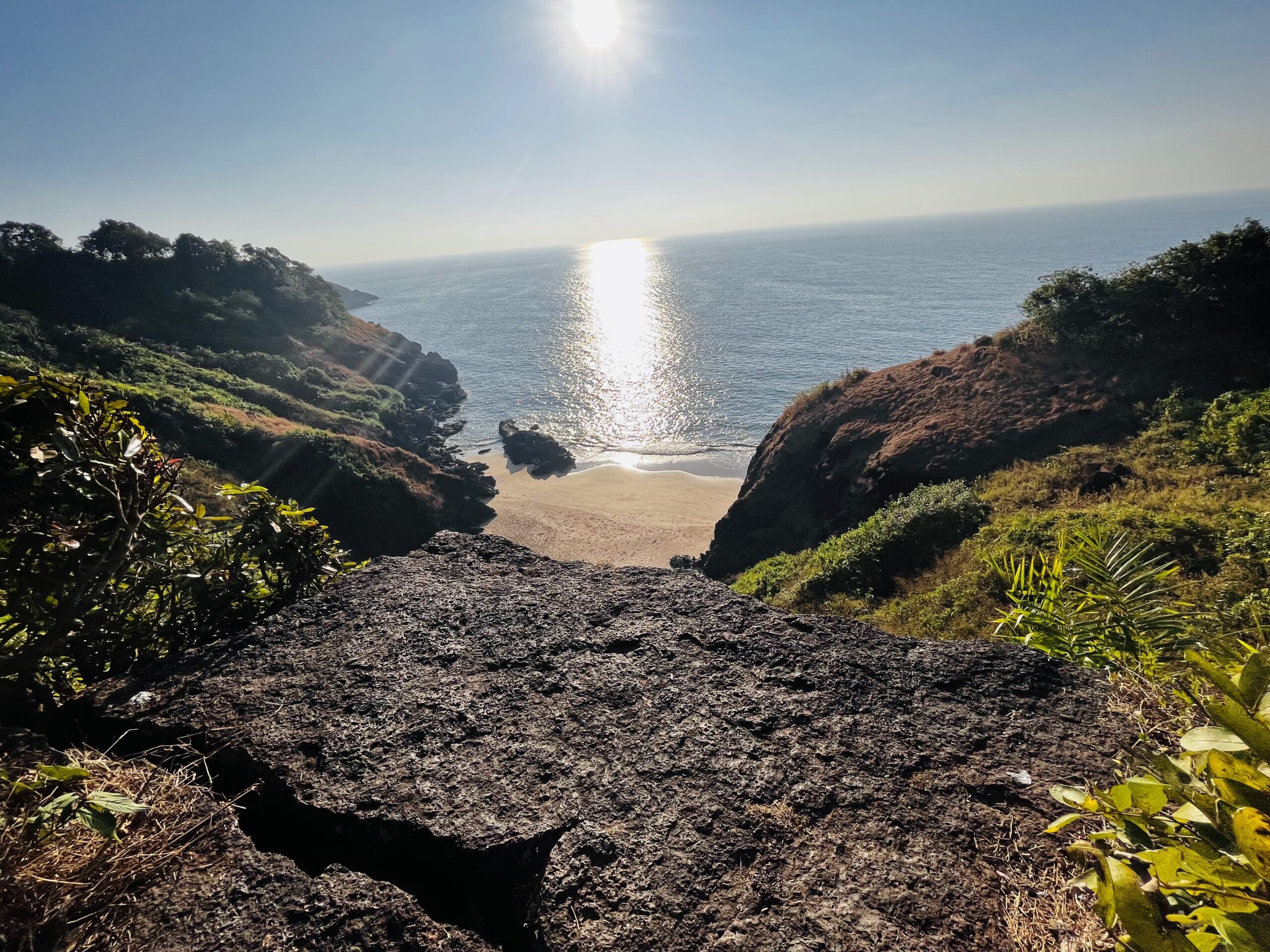
Tolivia is an adventure destination rather than a relaxation spot. The primary appeal is exploring the Cupa Sea Caves, dramatic geological formations that are accessible only during low tide. The beach offers extreme solitude, as it is rare to find other travelers even during peak season. The shoreline is a geological wonder, filled with massive rocks and tidal pools that are perfect for landscape photography and observing marine life. The surrounding cliffs also provide excellent opportunities for bird watching, where you can often spot White-bellied Sea Eagles hunting over the waves.
Food and Accommodation
There is absolutely no commercial infrastructure at Tolivia Beach. You must carry at least 2 liters of water and high-energy snacks, as the nearest shop is several kilometers away in Loliem village. No huts or guest houses exist on the sand. Most visitors stay in Canacona (25-30 mins away) or Polem. If you are looking for a base nearby, look for homestays in Loliem Village, which provide a raw, authentic Goan living experience away from the tourist hubs.
Nearby Attractions
Combine your trek to Tolivia with these southern landmarks:
- Cupa Sea Caves: Located directly on the Tolivia stretch; the primary geological landmark of the area.
- KA-GO Border Beach: A slightly easier-to-reach neighbor located just a short distance north.
- Polem Beach: The southernmost developed beach with basic shacks for a post-trek meal.
- Loliem Plateau: A vast laterite tableland that offers panoramic views of the Arabian Sea.
Important Information for Travelers
Tolivia is a high-intensity destination. Sturdy trekking shoes with good grip are mandatory; do not attempt this trek in flip-flops due to sharp rocks and slippery boulders. Mobile network is non-existent at the bottom of the cliffs, so ensure you have finished the trek before sunset. Like all Loliem beaches, this is a strict zero-waste zone—everything you carry in must be carried out. Always check the tide timings before entering the sea caves, as they can become inaccessible and dangerous during high tide.
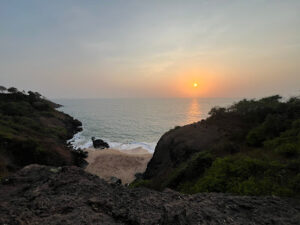
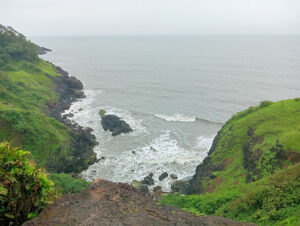
Image Gallery Of Tolivia Beach
Frequently Asked Questions (Faq)
How long is the trek to Tolivia Beach?
The trek is approximately 4 to 5 kilometers one way from the Loliem plateau. Depending on your fitness level and the time spent exploring the sea caves, a round trip usually takes about 4 to 5 hours.
Is Tolivia Beach the same as the Sea Cave trek?
Yes. Most travelers and local trekking groups refer to this destination as the Loliem Sea Cave Trek or the Cupa Caves. Tolivia is the specific name of the beach stretch where these caves are located.
Is it safe to visit Tolivia Beach during the monsoon?
No. The trek involves crossing slippery laterite rocks and the sea caves are extremely dangerous due to high tides and rough swells between June and September. The best time to visit is from October to March.
Can I reach Tolivia Beach by boat?
While some boats operate from Palolem, few boatmen will travel this far south due to the jagged, rocky coastline. Trekking from the Loliem plateau remains the most reliable way to access the beach and caves.
Are there lifeguards at Tolivia Beach?
No. Tolivia is a remote, unmonitored beach. Swimming is at your own risk and is generally discouraged due to the rocky seabed and lack of emergency services.